Flower Gardening – Easy Beginners Guide
Key Tips for Starting Your Flower Garden the Easy Way
Starting a flower garden is so exciting, and I want to make sure mine thrives with beautiful, bountiful blooms. But when it comes to gardening and flowers, I also want to keep things simple and enjoyable—without it turning into a chore in the heat of summer.
In this guide, I’ll break down the basics to help you plan a successful flower garden, whether you’re a beginner or have some experience.
Flower Gardening – Determine Your Gardening Zone
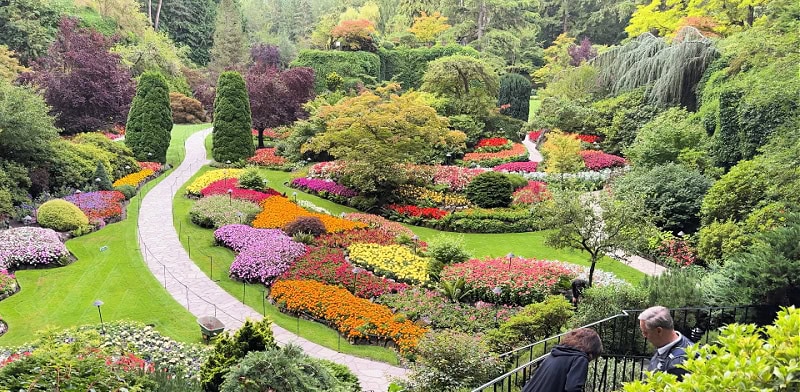
Before selecting perennial plants, it’s good to know your gardening zone. The USDA Plant Hardiness Zone Map will help you identify your zone based on your location.
Some would have you believe it is as simple as putting in your zip code on the website and out pops the correct zone for your location. Be warned, in some places, only putting in your zip code will give you incorrect information. (I know this, as it gives me a zone 6b by my zip while I am a zone 8b)
There is a bit more to getting the correct info, and I cover the topic of zones in-depth here for you. I include a video so you know exactly how to go about getting the most accurate information.
USDA Zones, How to Find Yours
This post contains affiliate links. If you make a purchase after clicking a link I may make a small commission at no cost to you.
Knowing your garden zone is not relevant to growing annuals. More important is your growing season, your last and first frost date. Do not rely on your garden zone or zip code to determine your last frost date, that is not accurate at all. Your best source of information would be gardening neighbors.
Perennial vs Annual Plants
Start with the Right Flower Garden Size
When getting started with a flower garden it’s tempting to go big, but starting small is important to avoid overwhelm. A manageable garden area lets you focus on proper care without requiring a lot of upkeep, which could prove discouraging.
If you’re new to gardening, start small and expand over the seasons as you gain confidence and knowledge of your space. As you gain experience and knowledge, it is easy to expand your garden.
I admit to not following my own advice, and I now have a bigger area than I can keep up with for a neat and tidy garden, but I garden for the sheer joy of working in the dirt and not for a pristine space that always looks like it is in tip-top form.
When we first moved to this home, I started in just the front garden, which is fairly compact. I was working full time, so I didn’t have a lot of time, but I had left a big beautiful flower garden behind at my former home and missed the joy it brought me.
If you have followed along with my garden tours on YouTube you will have seen all my gardens in various states of mayhem during all seasons, yet I love it all!
Choosing a Location – Flowers and Gardening
1. Sunlight Exposure
Understanding how much sunlight your garden gets is important when choosing plants:
- Full Sun: At least 6 hours of direct sunlight daily.
- Partial Sun/Shade: 3-6 hours of sunlight, with part-shade areas receiving less intense light.
- Full Shade: Less than 3 hours of sunlight.
You may need to track how much sunlight an area gets before planting and get a feel for how it strikes your planting area. I go by how much sun an area gets at the summer solstice, as that is when the sun is highest in the sky.
Sun Tracking – Plan Better!
If your garden is surrounded by trees, you’ll likely be working with dappled shade. Choose plants that are well suited to those conditions, and take a little time to research which plants will thrive with the amount of sunlight your garden actually receives.
But don’t be afraid to experiment. I’ve found that many plants will do surprisingly well even when the light conditions aren’t considered ideal. And if a plant isn’t thriving where you put it, you can always move it and try again somewhere else.
2. Water and Visibility
When selecting your garden’s location, consider accessibility to water. Make it as easy as possible to keep your garden hydrated properly during the drier months. Setting up a drip system is as simple as buying a kit from a big box store or local garden center.
I used to use soaker hoses, but I have found the quality in them lacking now. The ones I have tried recently did not seep water evenly, and you were left with dry spots. I no longer recommend the soaker hoses.
Update: I have found a brand that works excellently and is so easy to use, I now have it in my veggie garden. It is made by Water Right and though it is pricier than other soaker hoses, it actually works, whereas the cheaper versions I have found do not. This can last for years if you take care of it. Many will pull them up and store indoors (shed, garage, basement) for the winter, and that is an option, but I bury them beneath my mulch and they overwinter just fine. But my winter lows rarely get below 20 degrees F.
Do you want to see your garden from inside your home?
Some like to grow a garden from the inside out. What that means is you stand inside and look out your windows and gauge how well you will see what you plant. You’ll enjoy seeing your colorful blooms from inside. Of course, this is completely optional and is not essential but being able to enjoy your garden when you are inside is a huge bonus.
Or, if you can’t see it from the indoors make it easy to walk and enjoy. (my Secret Cottage Garden is in the back of my home, and I can’t see it from inside) Consider it a getaway.
If you’re short on space, raised beds or containers can be a great alternative for creating a flower garden. I have seen many gorgeous patio or balcony gardens that brought the owners great joy.
Grow a Beautiful Container Garden
3. Flower Garden Bed Shape and Design
Do you want straight lines or do you want rounded edges and a varied flow through the space? Both can be beautiful.
Want to get some great ideas? See this video of a fabulous flower garden filled with inspiration!
What kind of paths will you have between flower beds? Gravel, wood chips, stepping stones, grass, or maybe a steppable ground cover?
There are many choices, but don’t get overwhelmed. You can start small and work your way to your vision. I started by using straw from the feed store for the pathways. It worked well and kept my feet mud-free while looking nice too. It was so easy to put down and relatively inexpensive. I like easy.
Theme Based Flower Beds
So now that you have an idea of what you want let’s get started laying out the beds.
To create a rounded effect use a rope or garden hose and lay it out on top of the soil in a pleasing shape. Be mindful of path widths as you do want to make it easy to walk by.
If you are wanting more straight lines you can lay out boards or create a line with rocks. I do love the natural, organic feel of stones in the garden.
I have also used raised beds from Vego Gardens and some Stratco brand from Amazon or Wal-Mart.com. (the Vego Garden beds are much sturdier)
Raised beds are great if you have super rocky or poor soil but they can be pricy to fill.
Note: Did you know that alfalfa is great for your garden?
Your Garden Will Explode with Blooms
Prepare Your Flower Bed
Clear The Area
So you have chosen the spot for your new flower garden. You have an idea of how much sun it gets. Time to get to the real work.
Is the area covered in grass or sod? Is this a newly built home and you have bare soil (that is probably poor in quality)? Or is it just a patch of weeds?
If you prefer a slower yet less labor-intensive method, consider the sheet mulching method.
Let’s start with clearing out the grass and weeds. To do this the easy way, pile leaves, garden debris, and/or well-rotted manure about 4 to 6 inches deep on top of the ground.
Then top that with some garden compost or raised bed and garden soil (you can find it in bulk at landscape suppliers or buy it in bags at big box stores) I get mine from a local organic turkey farm that composts in bulk.
So if that seems like a bit over the top to do then know you can go about it this next way, it just takes a bit more muscle.
Dampen the soil well, it will make it that much easier to get the weeds out and get the roots. Let it soak down deep and let it sit a day or two, you want it to be moist, not wet.
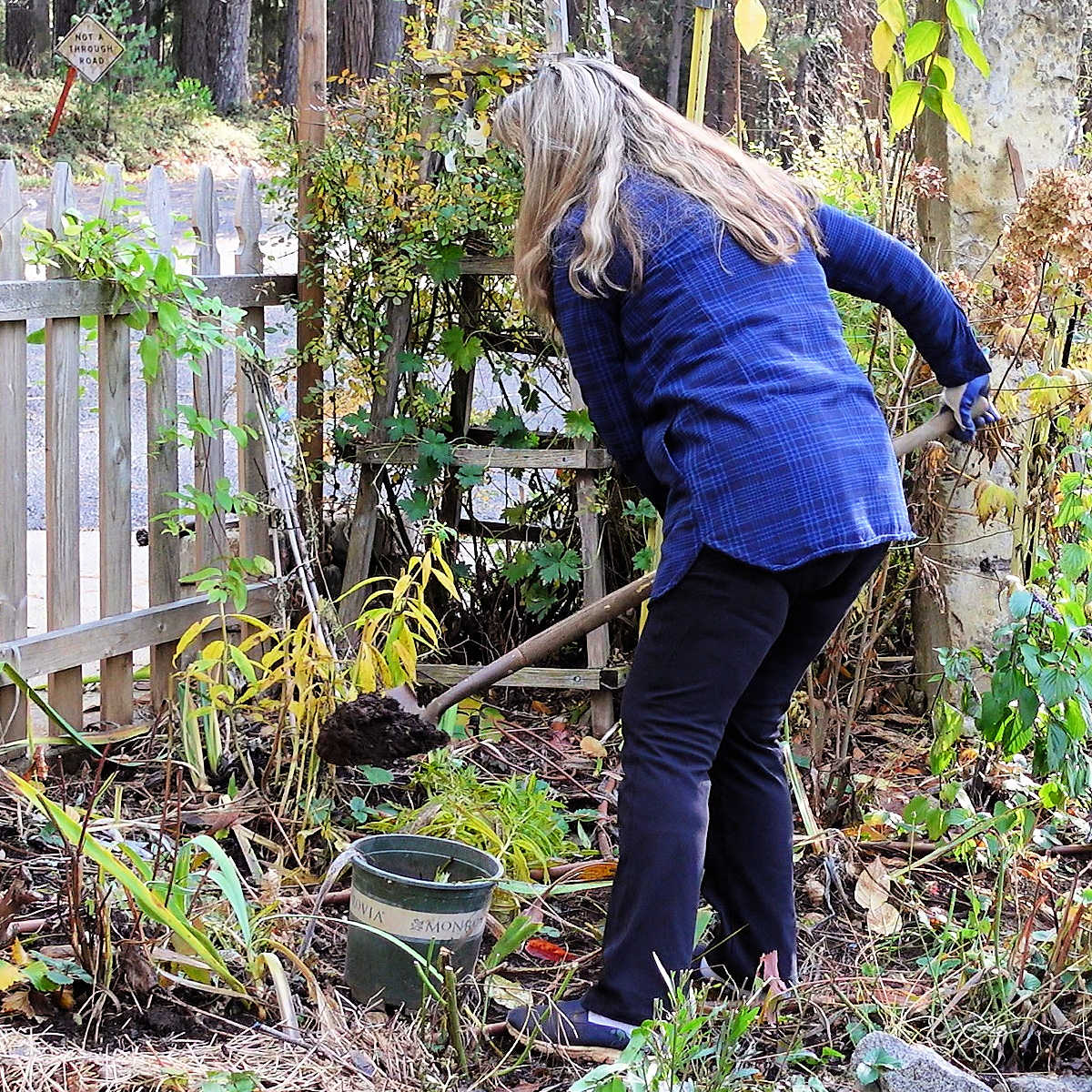
Use a sharp shovel to slice through the soil more efficiently. I love this Root Slayer shovel for this job. I found mine at Tractor Supply but they have it on Amazon too.
If you tackle it a small space at a time, say something like a 3 foot by 3 foot area then it is less overwhelming and your muscles shouldn’t be screaming at you the next day.
Why Fall is the Best Time to Garden
Many start with cardboard but that is more work than I find appealing. Plus finding cardboard that is not printed on is difficult, and you don’t know if the glue used to adhere the layers is truly starch-based. Some manufacturers use synthetic glues that are stronger. I share more on that here.
If you use the cardboard method, you can bury it with a 6-inch deep layer of bulk compost (landscaping supply) or garden mix in bags (found at garden centers) and plant in that.
6. Soil Preparation
This is basically what I do above in removing weeds and grass but I will repeat for those that have just bare new build soil that is trash.
Good soil is the foundation of a healthy garden. Add organic matter (compost) to your soil to boost its quality.
Now here is where I like to start in the Fall. I get the leaves from many of my neighbor’s trees and spread a thick layer (6 inches or more) on the surface of the new flower bed I wish to create.
I let this sit over the winter to decay. Not only does it kill any grass or weeds in that area but it also breaks down into a wonderful soil conditioner. No cardboard is needed. You can also get arbor chips dropped at your home to pile on the soil surface and let that decay and enrich the soil.
Okay, so let’s say you are starting in Spring and don’t want to wait; well then here is where spreading 3 to 4 inches of compost will help. Compost acts as a slow-release fertilizer, and you don’t need to add any to the planting hole.
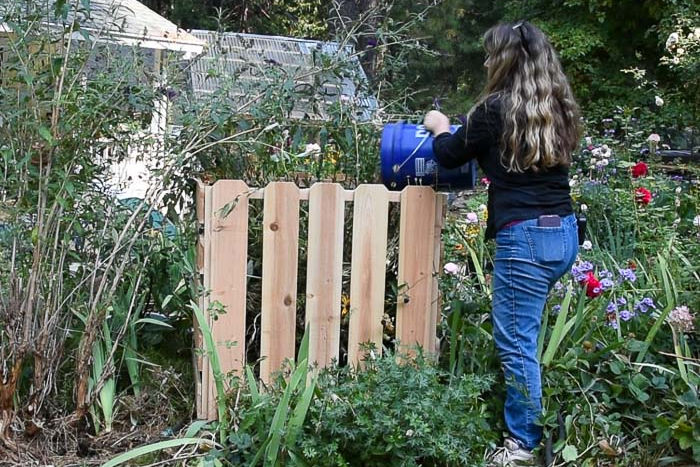
I have an entire post on compost and how you can build your own compost bin that isn’t ugly!
DIY Compost Bin That Isn’t Embarrassing
You may want to consider getting a soil test to learn which nutrients are missing, but even without testing, adding compost improves your soil significantly.
I confess I never got a soil test on my property. I know from digging around all my gardening spaces that it changes from spot to spot, and I would have to get several to learn what each space needs. So I focus my $$$ on amendments, like compost, instead of tests.
Not only do I make my own compost but I buy some from a local, organic turkey farm that sells it in bulk. You can call local landscape supply establishments and they usually can tell you where to buy some if they don’t carry any.
7. Types of Flowers: Perennials vs. Annuals
Knowing the difference between perennials and annuals helps you make the right plant choices for your garden:
- Perennials: These live for more than two years, making them a low-maintenance option over time. Although some may have a shorter bloom time, they come back year after year, making them a long-term investment. There are many perennials that bloom all Summer well into Fall.
- Annuals: These live for just one growing season but provide consistent color throughout the summer. They’re less expensive upfront, but you’ll need to replant them annually.
You can start many annuals and perennials from seed making for a very inexpensive yet lush garden.
A combination of perennials and annuals can give your garden structure and color all season long.
8. Easy-to-Grow Flower Recommendations
Sun-Loving Annuals:(you can click on each to find more info)
- Marigolds
- Zinnias
- Geraniums
- Sunflowers
- Petunias
- Vinca
- Larkspur
Sun-Loving Perennials:
- Shasta Daisies
- Coneflowers
- Black-eyed Susan
- Daylilies
- Dahlias
- Salvias
- Delphiniums
For a list of easy to grow flowers, check out our companion guide.
9. Designing Your Flower Bed
Once you’ve prepared the site, it’s time to design your garden. Use graph paper to sketch out your bed, noting the height of plants. For island beds, taller plants should go in the middle, with shorter ones around the edges. For border beds, place taller plants at the back and shorter ones in front. Stagger plants for a more natural look.
10. Shopping for Plants
Before heading to the nursery, make a list of the plants you want. Stick to your plan to avoid being overwhelmed by the selection. Research plant care requirements to ensure they’re suitable for your gardening conditions and the sunlight conditions in your yard. Remember, your garden zone tells you what perennials can overwinter in your area so that is important if you are including those types of plants and flowers into your garden.
Or start from seed, you can sow easy-to-grow seeds directly in the soil. Zinnias, marigolds and more all grow easily.
Beginners Guide to Growing Zinnias from Seed
11. Planting Your Flowers
Once you’ve arranged your plants in their spots, dig a hole twice the size of the root ball. Place the plant in the hole, backfill with soil, and press gently to secure it. Water thoroughly after planting to help the roots settle.
I have been using a root growth stimulator called Organic REV that works excellently in getting my plants off to a better start. I share all about it here where I explain what it does and why it works so well.
12. Essential Gardening Tools
Investing in quality gardening tools makes the process easier and more enjoyable. Here are some must-haves:
- Sturdy gardening gloves
- A durable shovel
- Hand tools for weeding and planting
- A rake for easy clean-up around plants.
You don’t need to buy all the tools at once; start with the basics and add more as you go.
13. Adding Mulch and Edging
Mulch is your garden’s best friend—it helps retain moisture, suppress weeds, and gives your garden a polished look. Apply a 2-inch layer of shredded hardwood mulch or untreated grass clippings. Adding edging materials like stones or decorative borders can help define your flower beds.
Know that great ground covers can work as mulch too and recent scientific findings tell us that they are even better for the soil.
Replace Mulch With These Groundcovers
14. Garden Decor
Get creative with garden decor! From solar lights to whimsical sculptures, decor adds personality and charm. Use natural elements like large stones or logs to create unique vignettes.
I love lots of seating in my garden, so I have benches set strategically throughout my gardens. There is nothing as relaxing as sitting amongst the flowers with the bees buzzing around you or enjoying the cool evenings watching the sun fade behind a gorgeous flower bed.
Grow a Moon Garden
15. Dealing with Garden Pests
You may encounter pests like rabbits, deer, or insects. Avoid chemical pesticides as they harm beneficial pollinators like bees and butterflies. Instead, try organic pest control methods to keep your garden healthy and environmentally friendly.
There are deer-resistant plants but using a peppermint-based repellent helps a lot to keep them in check, though you do need to reapply every few days while the population is high.
I have used the sprinklers that click on when they walk by, and they worked too but some say the deer get accustomed to it. Mine did not and stayed out, but I would forget and walk by and get sprayed too.
If you grow healthy plants, they are much less susceptible to pest pressure. Focus on great soil health and remember, most bugs in your garden are not pests, many are very beneficial.
16. Caring for Your Flower Garden
A well-cared-for garden will flourish with just a little regular maintenance. Water consistently, pull weeds, and deadhead spent flowers to encourage more blooms. As you gain experience, you can expand your garden and experiment with new plants, bulbs, and design techniques.
By following these steps, you’ll have a vibrant flower garden in no time! For more detailed information, check out our additional resources on garden maintenance, watering, and flower selection throughout this blog and on my YouTube channel.
With this simple guide, you’ll be well on your way to creating a stunning flower garden that will thrive for years.
Happy gardening!
Hi, I’m Pamela
With 45 years of hands-on gardening experience, I love sharing practical tips, proven techniques, and inspiration drawn from my own gardens. My goal is to nurture your confidence, spark your passion, and help make every step of your gardening journey more enjoyable.