Perennial vs. Annual Plants: Whats the Difference?
Perennial vs. Annual Plants: Understanding the Differences and Choosing the Best for Your Garden
Today let’s talk about perennial vs annual plants! When planning a garden, one of the first decisions you’ll make is whether to plant perennials or annuals—or a mix of both. Understanding the differences between these two plant types can help you create a garden that suits your lifestyle, climate, and aesthetic goals.
In this guide, we’ll explore what sets perennials and annuals apart, their benefits and drawbacks, and how to choose the right plants for your garden.
This post contains affiliate links. If you make a purchase after clicking a link I may make a small commission at no cost to you.
What Is a Perennial Plant?
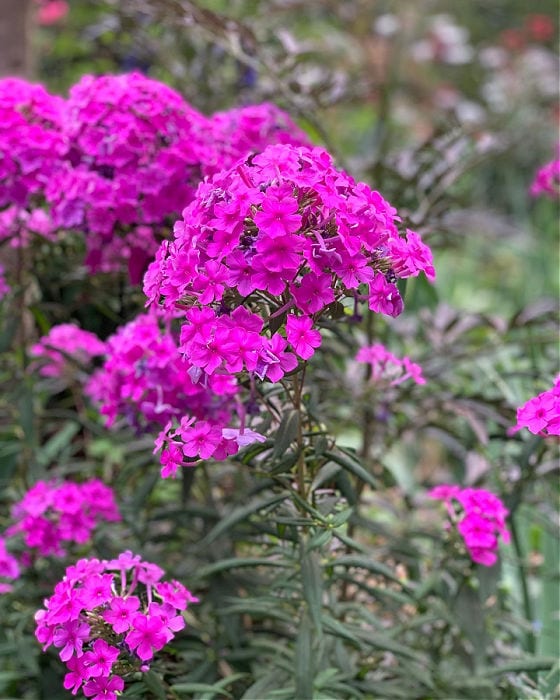
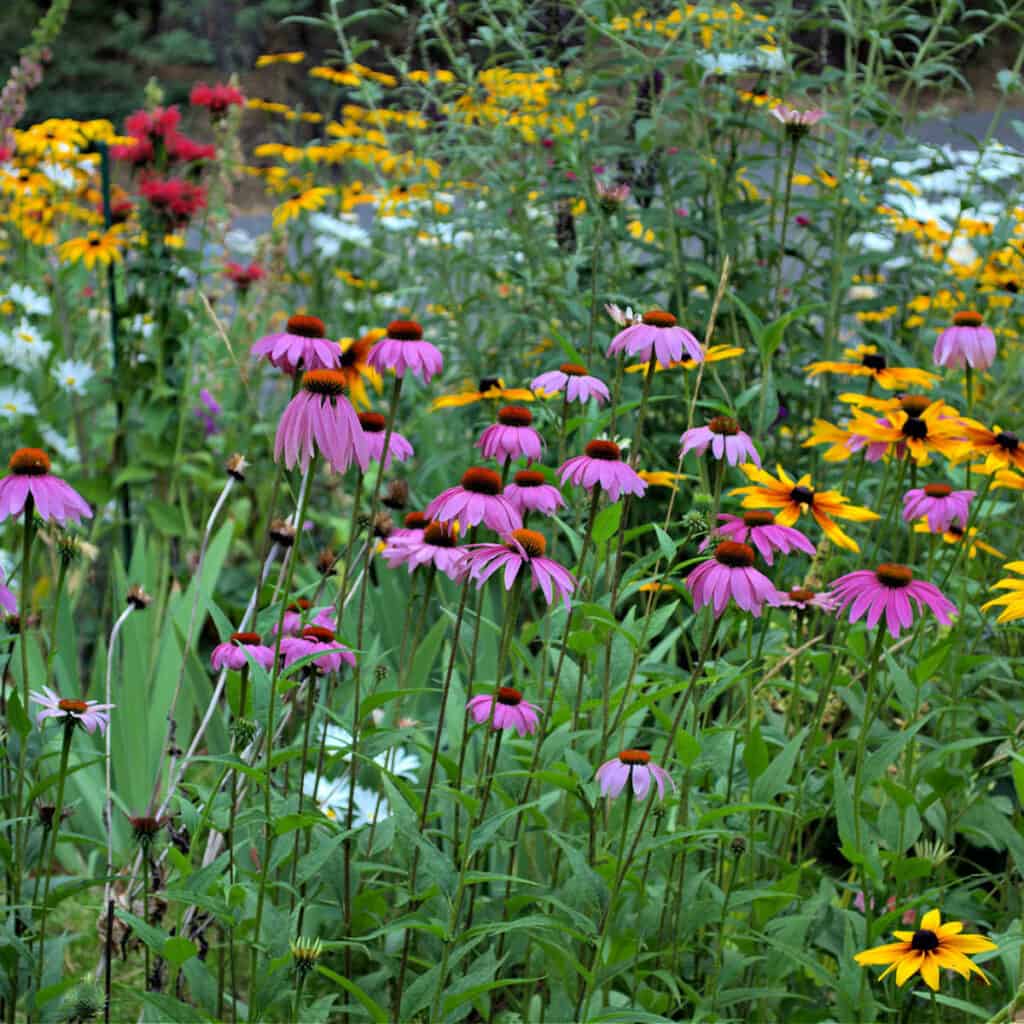
A perennial plant is one that lives for more than two years, coming back season after season. These plants typically go dormant in the winter, regrowing from their root systems each spring. Some perennials keep their foliage year-round in milder climates, while others die back to the ground and return when temperatures climb.
Examples of Perennials:
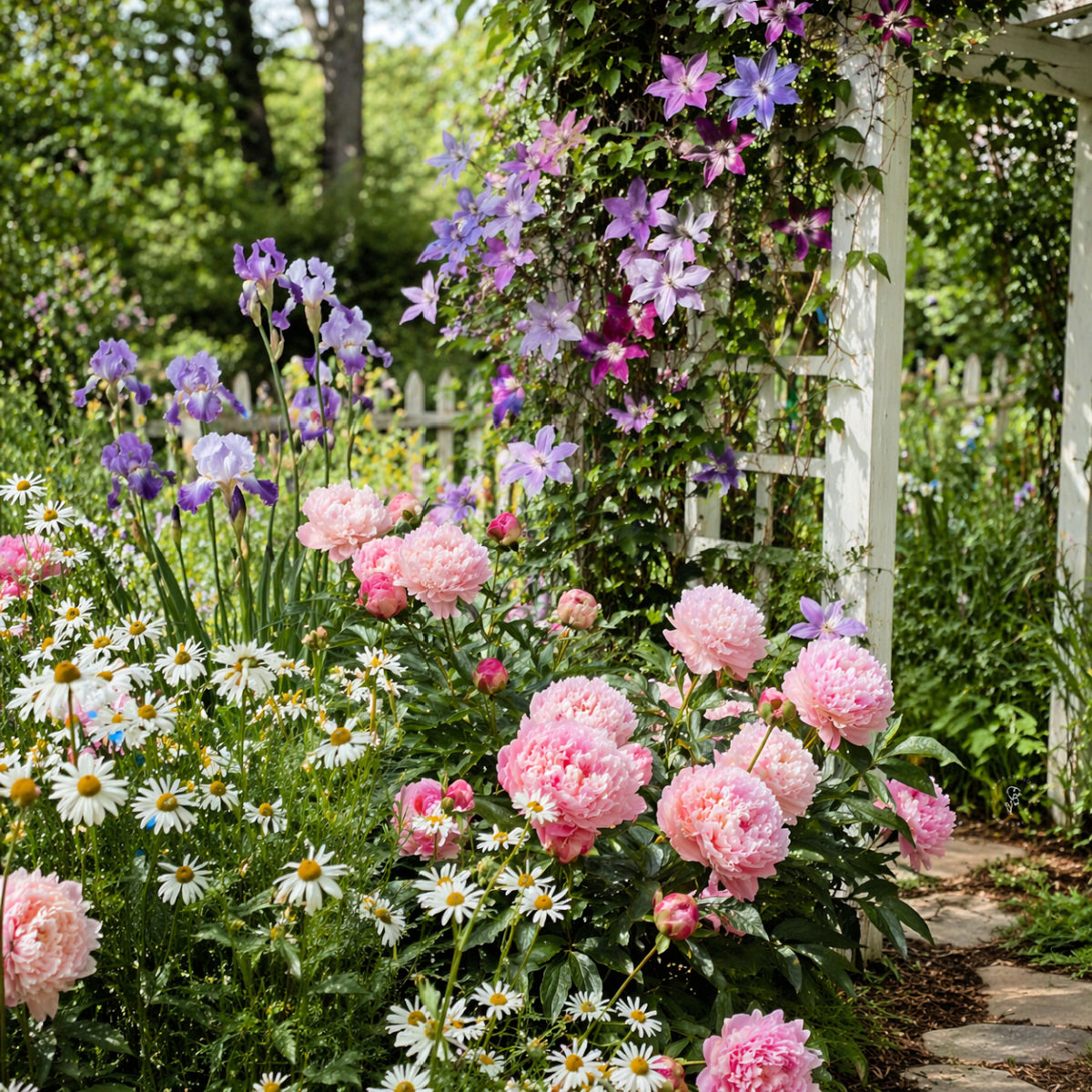
- Flowers: Coneflowers, peonies, daylilies, lavender, hostas
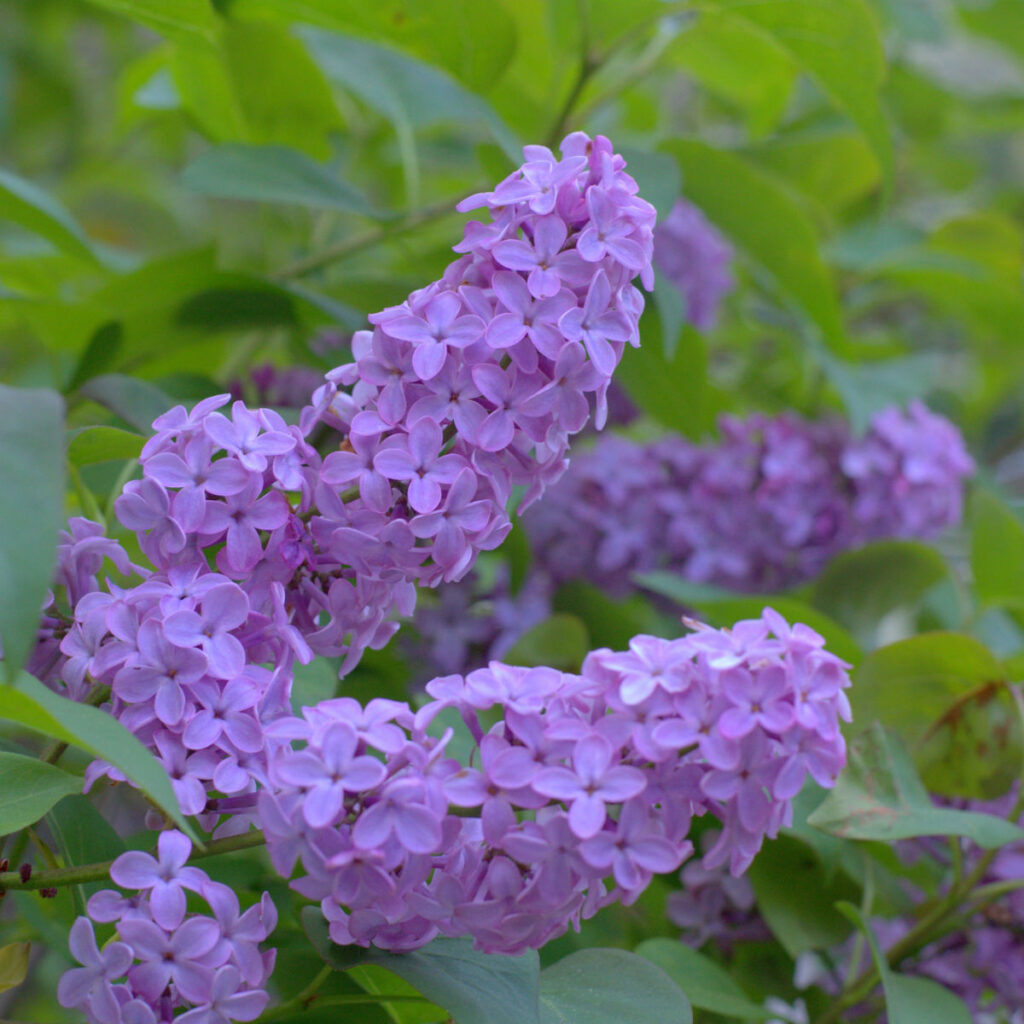
- Shrubs: Hydrangeas, roses, lilacs
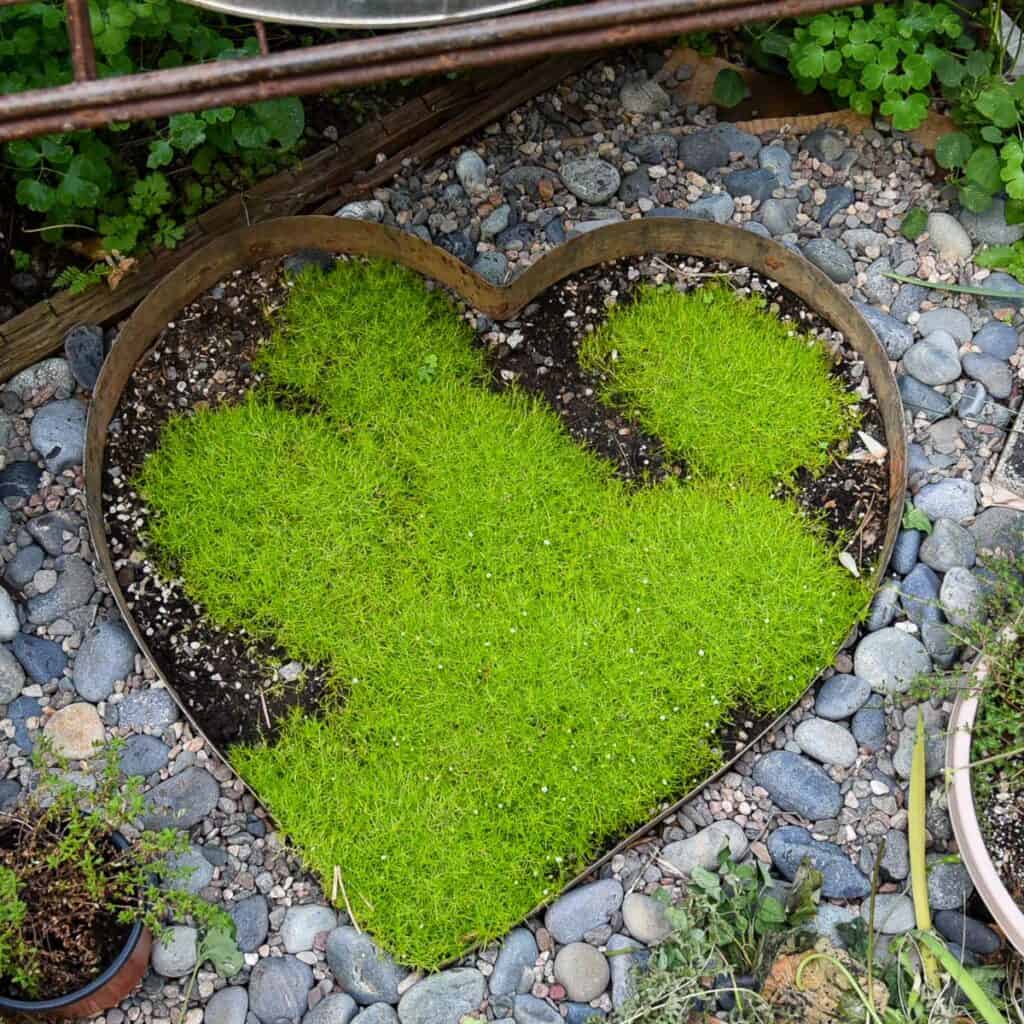
- Ground Covers: Creeping thyme, ajuga, sedum
What Is an Annual Plant?
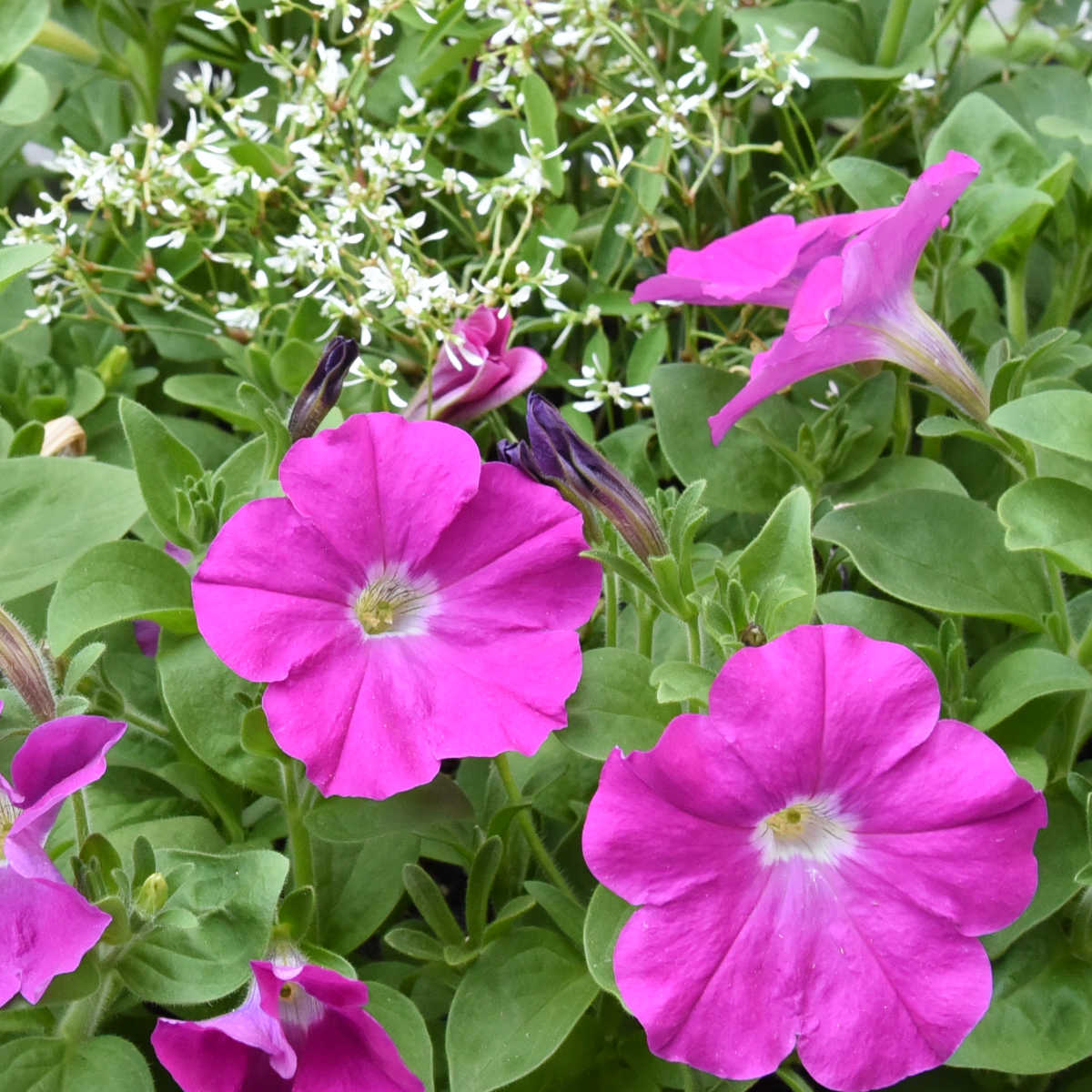
An annual plant completes its life cycle in just one growing season. It grows, flowers, sets seed, and then dies—all within a single year. Because annuals don’t return, they need to be replanted each season. However, they tend to bloom profusely and provide season-long color in the garden.
Examples of Annuals:
- Flowers: Petunias, marigolds, zinnias, impatiens
- Vegetables: Tomatoes, peppers, lettuce, cucumbers
- Herbs: Basil, cilantro, dill
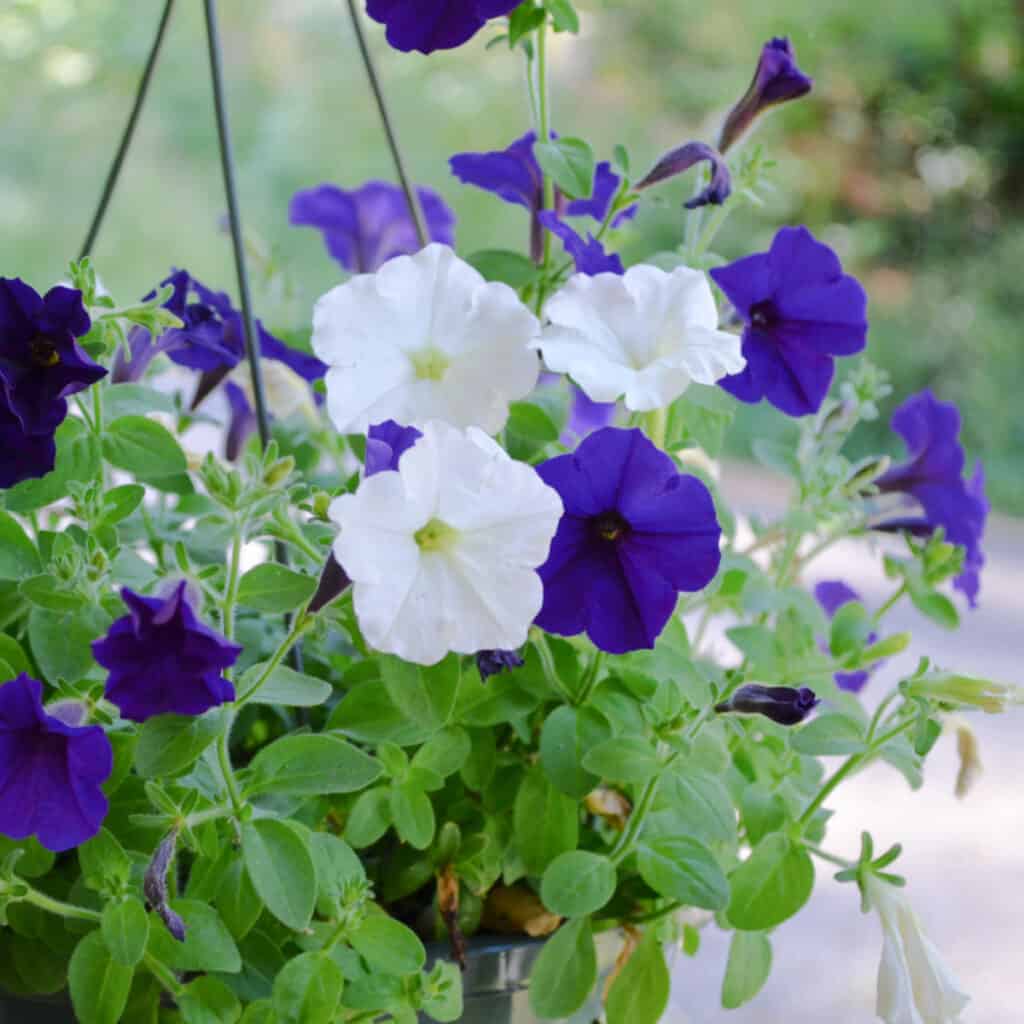
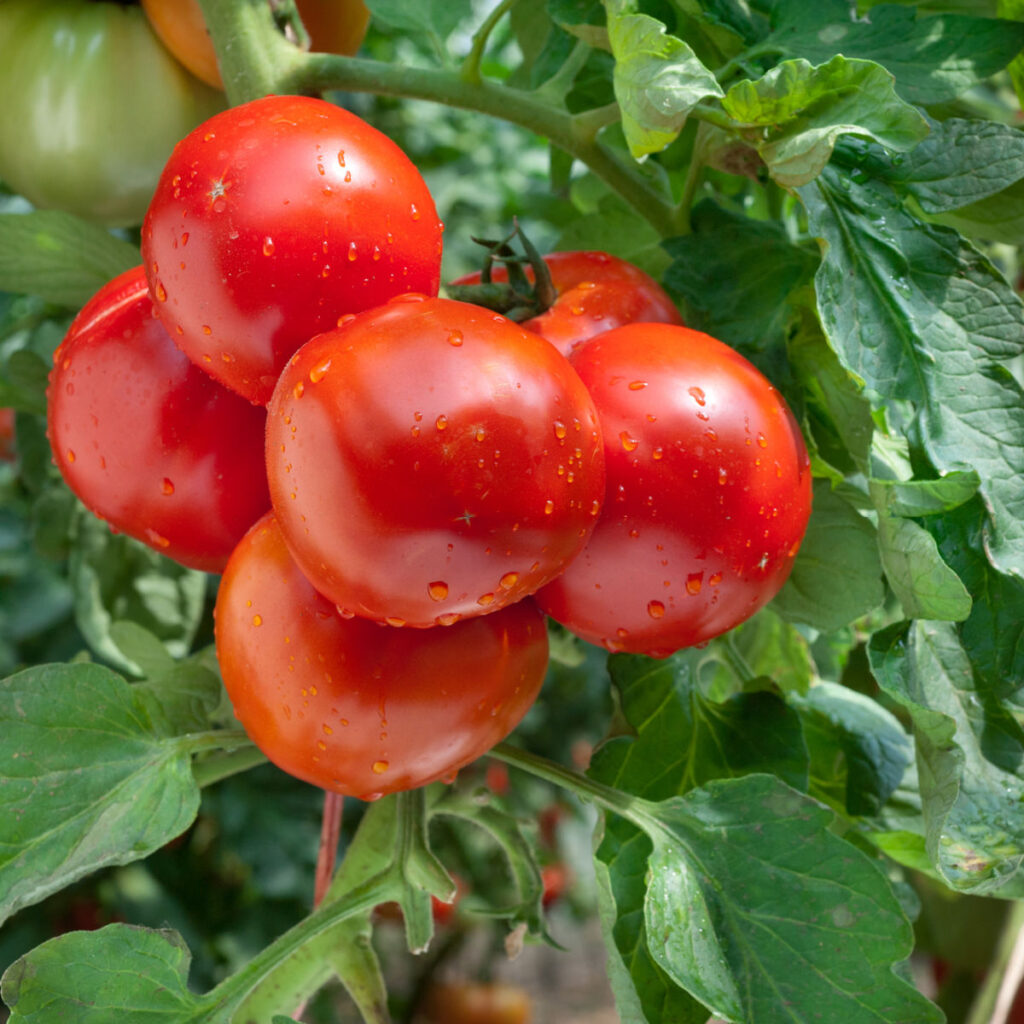
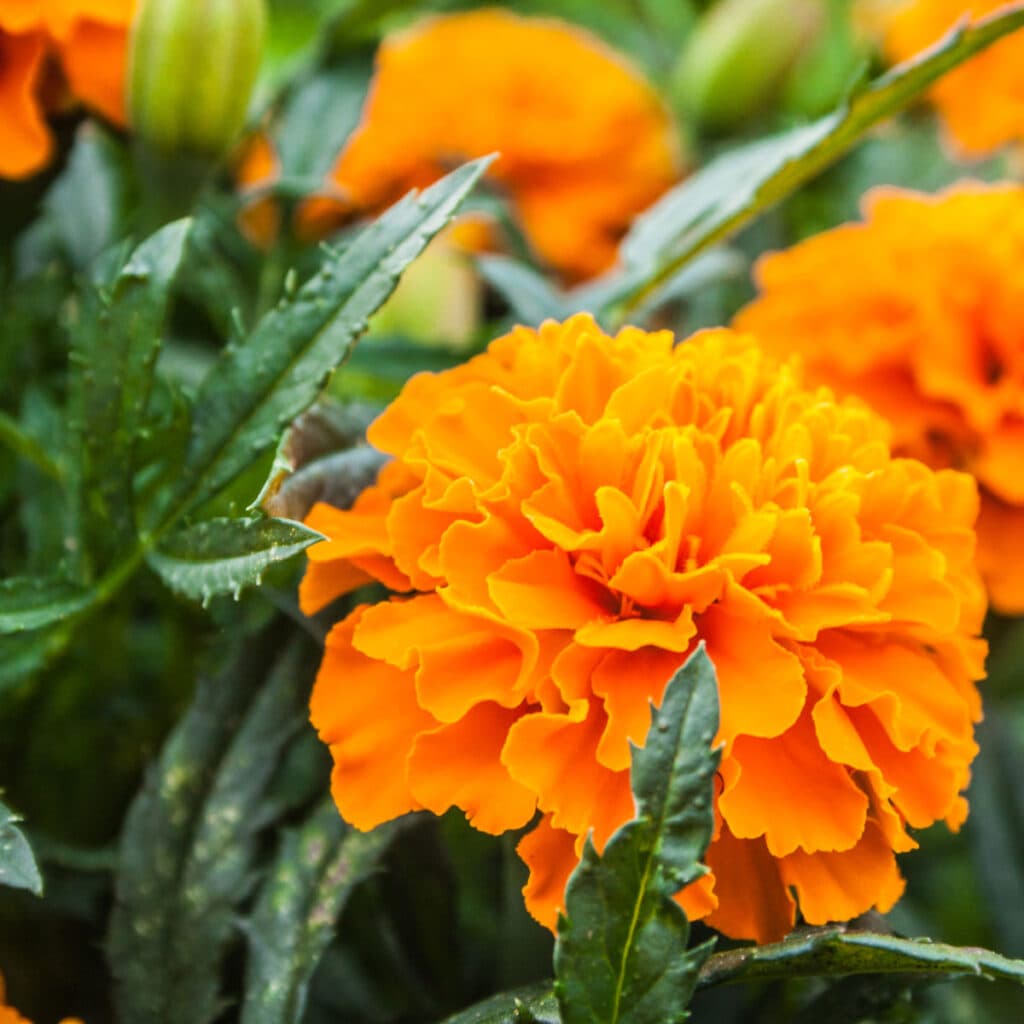
Note: some annuals will reseed themselves readily and will seem perennial.
What Are Biennials?
Biennial plants fall between annuals and perennials, completing their life cycle over two years. In the first year, they grow foliage and establish their root systems. In the second year, they flower, set seed, and then die.
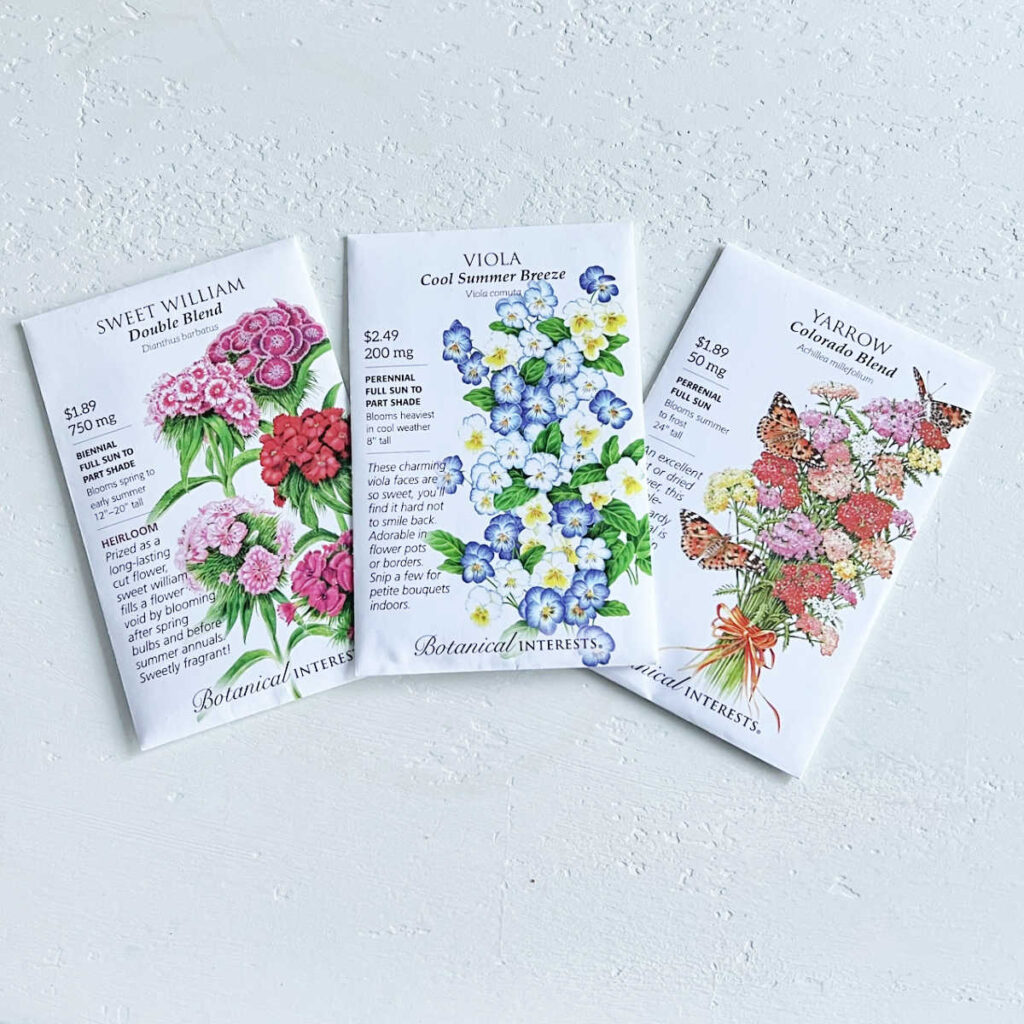
This unique growth pattern makes them a great choice for gardeners who want a mix of longevity and fresh blooms. Some biennials may reseed themselves, creating a continuous cycle in your garden. Many biennials can be sown in late summer early fall to bloom the following summer and some will bloom the first year. Be sure to read your seed packet and it will tell you which variety you have.
Examples of Biennials:
- Flowers: Foxglove, hollyhocks, Sweet William
- Vegetables: beets, carrots, celery, cabbage, collards, and more.
Pros and Cons of Perennial vs. Annual Plants
Perennials: Long-Term Investment for Your Garden
Pros:
- Cost-effective over time – Since perennials return yearly, they don’t require frequent replanting, saving you money in the long run.
- Low maintenance – Many perennials require minimal care once established, making them ideal for low-maintenance gardens.
- Seasonal reliability – They establish deep root systems, making them more drought-tolerant and resilient in extreme weather.
- Attract pollinators – Many perennials provide nectar and habitat for bees, butterflies, and hummingbirds year after year.
- Note: some perennial plants have been highly hybridized for different reasons. The hybridized specimens may produce lower-quality pollen and nectar. Don’t get too caught up in the marketing of some pricy plants when the old-fashioned ones will do the job just fine and be better for your pollinator friends plus easier on your wallet.
Cons:
- Slower to establish – Most perennials take a year or two to reach their full potential. Be sure not to overcrowd them so they can reach their full size.
- Shorter bloom time – Many perennials have a limited flowering window, which means they may not provide constant color throughout the season. This is where succession planting comes in handy.
- Can become invasive – Some perennials spread aggressively and may require dividing or control measures. Check locally before you plant.
Annuals: A Burst of Color for Instant Impact
Pros:
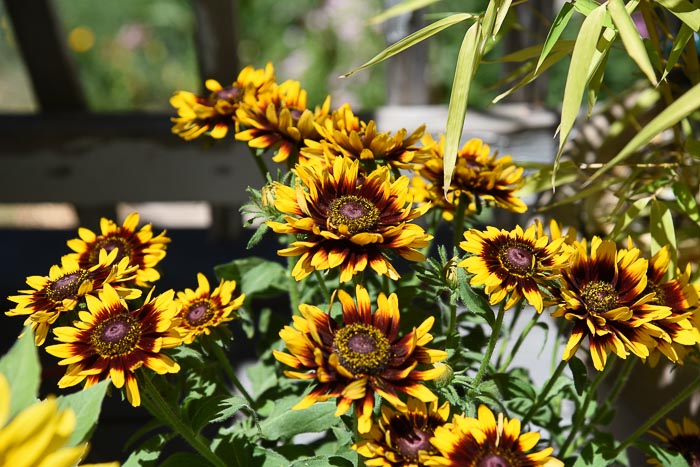
- Non-stop blooms – Most annuals flower continuously from spring to frost, providing vibrant color for the entire growing season. Some need deadheading to continue blooming.
- Great for experimenting – Since they only last one season, annuals allow gardeners to change up their garden design or color scheme every year.
- Easy to grow – Many annuals germinate and grow quickly, giving you fast results. Many will grow and thrive with direct sowing the seeds into the soil where you want them to grow.
Cons:
- Must be replanted annually – This can mean ongoing costs and labor each year. But to keep it cost-effective, many annuals are extremely easy to start from seed and/or reseed themselves.
- Less drought-resistant – Because they have shallow root systems, annuals require frequent watering and care. This can be minimized with a drip system kit you can purchase.
- Limited longevity – Once the season is over, they die, leaving bare spots in the garden unless replaced.
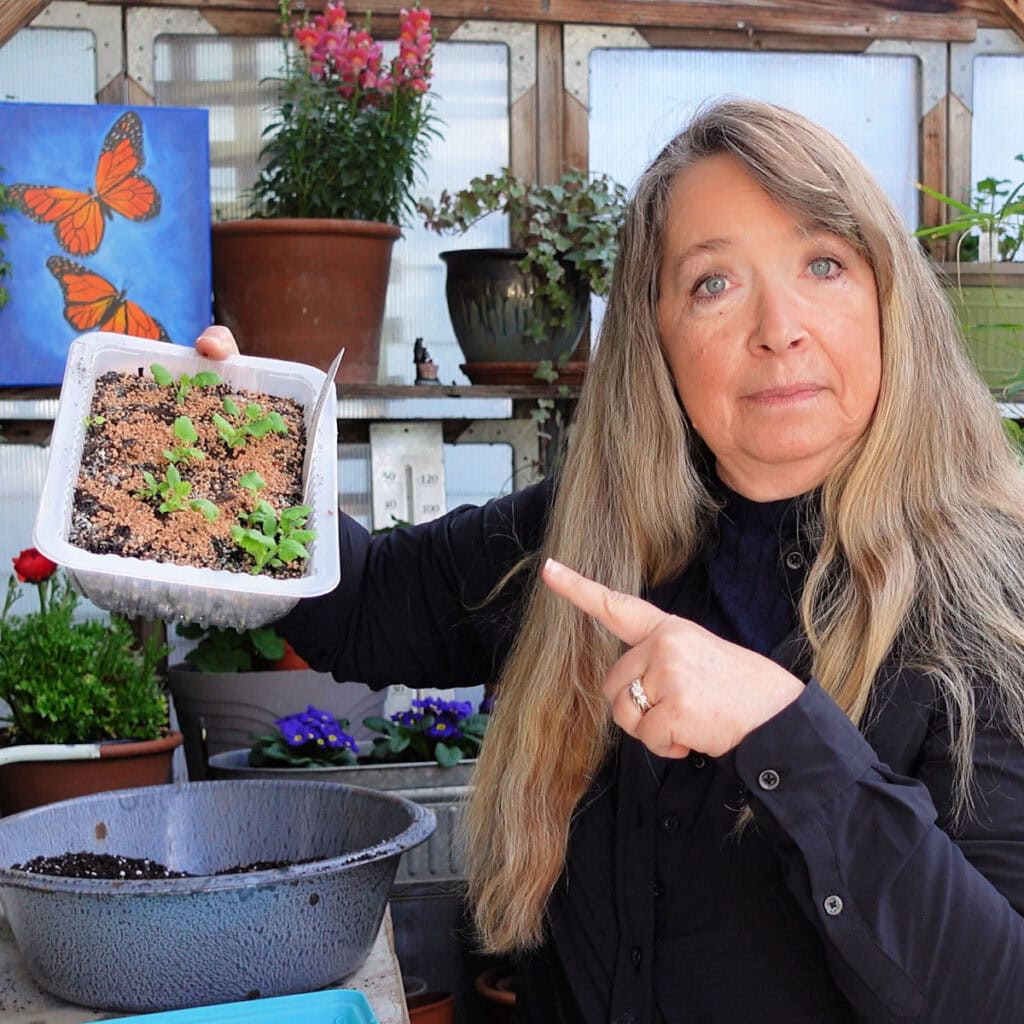
Easy Methods for Starting Plants from Seed

Should You Plant Perennials or Annuals?
The best choice depends on your garden goals, budget, and how much time you want to invest in maintenance.
- For a low-maintenance garden – Perennials are the way to go. They offer long-term structure and reliability with less replanting.
- For season-long color – Annuals provide vibrant, continuous blooms from spring to fall.
- For a balanced garden – A mix of both can provide structure from perennials while annuals fill in gaps with bright colors.
Flower Gardening 101
Final Thoughts – Perennial vs Annual Plants
Both perennials and annuals have their place in a well-thought-out garden. By understanding the benefits and drawbacks of each, you can create a garden that suits your needs and provides lasting beauty. Whether you prefer the enduring charm of perennials or the ever-changing display of annuals, the right plant choices will make your garden thrive season after season. I prefer a good mix of each in my garden.
Do you prefer perennials or annuals in your garden? Share your favorites in the comments below!
Hi, I’m Pamela
With 45 years of hands-on gardening experience, I love sharing practical tips, proven techniques, and inspiration drawn from my own gardens. My goal is to nurture your confidence, spark your passion, and help make every step of your gardening journey more enjoyable.