19 Common Seed-Starting Mistakes (and How to Avoid Them!)
Starting plants from seed is one of my favorite parts of gardening. There’s something so rewarding about watching tiny sprouts emerge and grow into strong, healthy plants. But I’ll admit, it hasn’t always gone smoothly!
Over the years, I’ve made my fair share of seed-starting mistakes, and I know how frustrating it can be when things don’t go as planned. If you’ve struggled with seed starting, you’re not alone. Let’s review some of gardeners’ most common mistakes and how to avoid them.
This post contains affiliate links. If you make a purchase after clicking a link I may make a small commission at no cost to you.
Note: at the end of this article is the link to download this list for printing!
Common Seed-Starting Mistakes
Starting Seeds Too Early
It’s extremely tempting to start seeds as soon as the first seed catalog arrives, but starting too early can backfire. Many seedlings grow quickly and become weak or leggy if they stay indoors too long. Without enough light and space, they struggle to thrive.
Key takeaway: Check your last frost date and count backward to determine the best time to start seeds.
Yes, your last frost date is more important than the USDA Zone you are growing in. I explain it in detail.
What USDA Zones Tell You & What They Don’t
Starting Seeds Too Late
On the other hand, waiting too long to start seeds can mean your plants don’t have enough time to mature before the growing season ends. Some plants, like tomatoes and peppers, need a long growing period. Be sure to plan ahead and start seeds at the right time for your climate.
Not Reading Seed Packets (another big seed-starting mistake)
Seed packets contain a wealth of information, yet many gardeners overlook them. Important details like germination time, planting depth, and light requirements are all printed on the packet. Taking a moment to read it can save you a lot of guesswork and disappointment.
How to Read Seed Packets
Using Old or Poor-Quality Seeds
Seeds don’t last forever! While some remain viable for years, others (like onions and parsley) lose viability quickly. If using older seeds, do a germination test by placing a few in a damp paper towel or coffee filter, let set a few days and see how many sprout before planting a whole tray.
Using the Wrong Soil
Not all soil is created equal! Garden soil is too heavy for seed starting and can cause poor drainage or disease issues. Instead, use a light, well-draining potting mix or seed-starting mix designed specifically for seedlings. This will provide the right texture and nutrients for strong growth.
I do not use seed-starting mix as it is unnecessary and many times more expensive. Many seed-starting mixes available are horrible and don’t work at all.
Potting Soil vs Seed Starting Mix – An Experiment
Using Dirty Containers
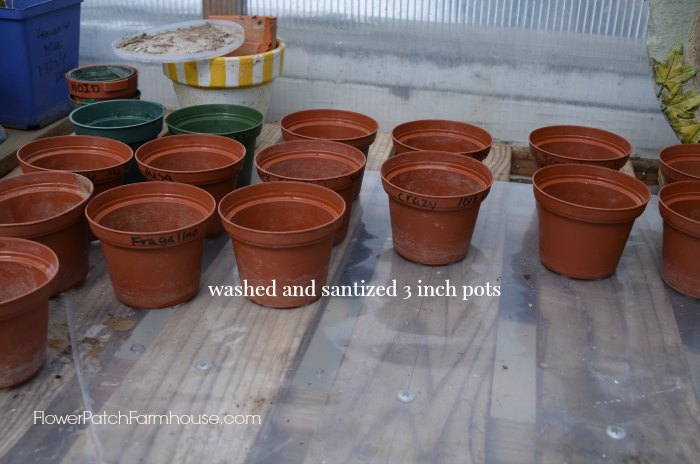
Reusing seed trays and pots is a great way to save money, but failing to clean them can introduce diseases and pests that harm young plants. Wash and disinfect containers with a diluted bleach solution (1 part bleach to 9 parts water) before planting.
I have found that good old soap and hot water often work just as well. After scrubbing, rinse well and let dry.
Planting at the Wrong Depth
Each seed has an ideal planting depth, and burying them too deep or leaving them too shallow can impact germination. A good rule of thumb is to plant seeds at a depth about twice their size. Again, check the seed packet for specific guidance!
Not Labeling Seed Trays – Big Seed Starting Mistake for Me!
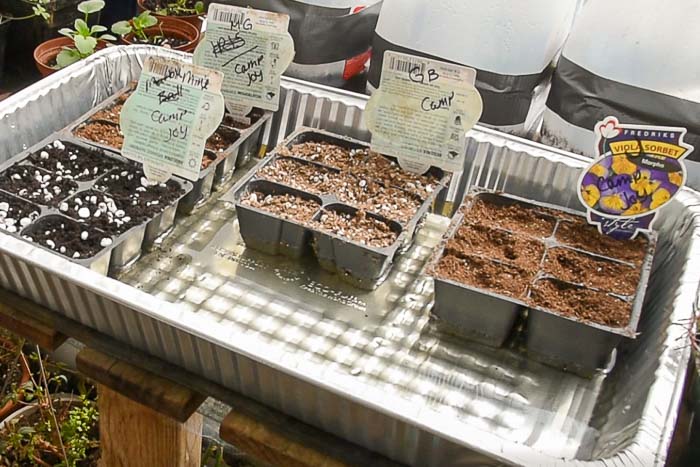
It’s easy to assume you’ll remember what you planted where—but once those seedlings sprout, many look surprisingly similar! Labeling your seed trays or pots prevents mix-ups and helps you track germination progress.
This is one seed-starting mistake I have made many times and I always kick myself. There are many ways to make your own labels. Cutting strips from sour cream or cottage cheese tubs. You can do the same with empty plastic milk jugs. Or wash and reuse the tags you get in plants you buy from the garden center.
Ignoring Light Requirements
Light is one of the most important factors for healthy seedlings. Many seeds require light to germinate, and most seedlings need bright, direct light for strong growth. A sunny windowsill is rarely enough—consider using grow lights and keeping them just a few inches above your plants for the best results.
Though if you wish to start in a windowsill it is possible. Make sure to not start your seeds until after the Spring equinox. This insures the day length is enough for the seedlings to grow strong.
Ignoring Temperature Requirements
Temperature plays a big role in germination. Some seeds, like peppers and tomatoes, need warm soil (70-80°F) to sprout quickly, while cool-season crops like lettuce prefer cooler conditions. A heat mat can help maintain consistent warmth for heat-loving plants.
Starting plants like tomatoes too early can do more harm than good. While it’s tempting to get a head start, early planting often leads to unnecessary stress for the plant. A stressed tomato seedling is weaker, making it more vulnerable to pests and diseases, which can ultimately lead to disappointing results.
Overwatering – (One of the Biggest Seed-Starting Mistakes)
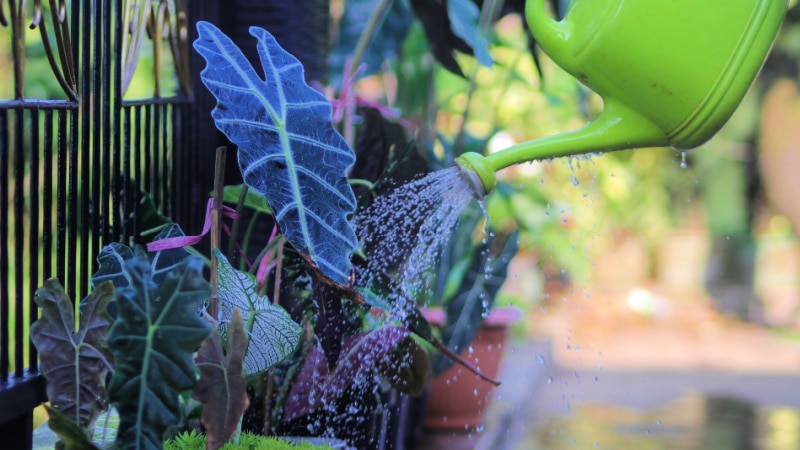
Too much water can lead to damping off—a fungal disease that kills young seedlings. Overwatering can also suffocate roots and encourage mold. Keep the soil moist but not soggy. If in doubt, let the top of the soil dry slightly before watering again.
I like to use a moisture meter if I am not sure, but usually lifting the pot to feel its weight is sufficient to let me know if it needs watering.
Underwatering
On the flip side, letting seedlings dry out too much can quickly lead to their demise. Small seed trays dry out faster than you might expect, so check moisture levels regularly.
Many use a humidity dome to help retain moisture during germination. I do sometimes but not always and it isn’t absolutely necessary.
If you use the cork granules or vermiculite as a topper when seed starting they will help retain moisture. The downside of using a humidity dome is it can encourage fungus growth that can kill your seedlings.
Overcrowding
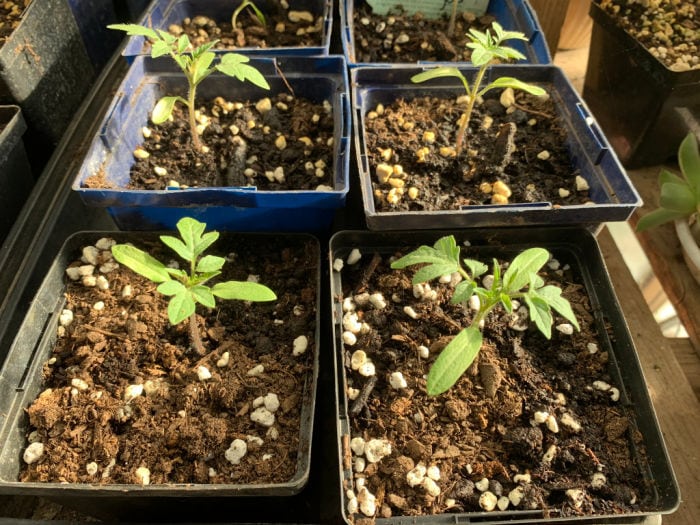
It’s easy to sow too many seeds in one container, but overcrowding leads to weak, spindly plants competing for nutrients, light, and space. If you plant multiple seeds in a tray, be prepared to thin them out or pot them up as soon as possible.
Not Thinning
Speaking of thinning—many gardeners skip this step, but it’s essential! If you have multiple seedlings in one cell or pot, removing the weaker ones ensures the strongest plants thrive. Use scissors to snip the extras at soil level rather than pulling them out to avoid disturbing roots.
Well, I have never had a problem with potting up the extras or disturbing the roots of most plants. Most plants don’t mind being potted up when very small. When I lived in the valley there were several growing facilities near me (they started plants that were shipped to nurseries and garden centers) and starting seeds in trays was typical (saved space).
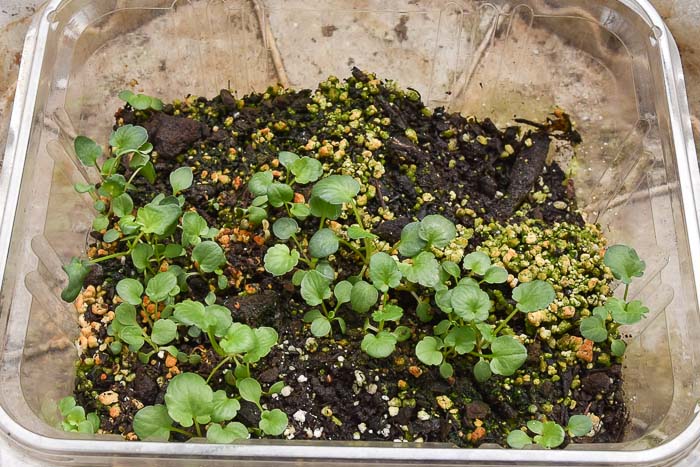
When the plants got their second set of leaves, also known as the true leaves, they were then pricked out of the tray and potted into individual cells of 6-pack containers or 4 inch pots.
Thin Seedlings Without Cutting them
The plants you want to be careful of are ones like zucchini, cucumbers etc that really hate having their roots disturbed. Even zinnias are in that list and is why I try to direct sow them if at all possible.
But you find zinnias and the others in garden centers in 4-inch pots to be transplanted all the time so it is possible if not the best way to plant those.
Failing to Provide Air Circulation
Stagnant air around seedlings can lead to mold growth and fungal diseases like damping off. A small fan placed near seedlings (set on low) helps strengthen stems and prevents disease.
The ruffling of the light breeze creates an enzyme action in the plants, making them grow sturdier and toughening them up.
Not Fertilizing at the Right Time
Seed-starting mixes are often nutrient-free, so seedlings will need feeding once they develop their first set of true leaves. A diluted liquid fertilizer (like fish emulsion) every week can encourage strong growth.
I prefer EcoOrganic fertilizer, it is created from food waste for a better balance of nutrients.
I don’t use seed starting mix and I avoid potting soils with synthetic fertilizers added to them but I still will start feeding them with the diluted EcoOrganic fertilizers after the first or second true leaves appear.
Transplanting Too Soon (or Too Late)
Timing matters when moving seedlings to larger pots or into the garden. Transplanting too soon can damage delicate roots, while waiting too long can lead to root-bound plants that struggle to establish. A good rule is to transplant when seedlings have at least two sets of true leaves.
Then when it is time to transplant out into the garden you need to make sure the weather and temperatures have stabilized. Some plants will weaken if stressed out with soil and air temperatures below what they require when first starting out. This makes them more susceptible to pest and disease attacks.
Too late and the plants can become root-bound in their pots, too leggy and stressed. But it is better to be a little bit late than much too early!
Not Hardening Off
One of the biggest mistakes gardeners make is skipping the hardening-off process. If seedlings are moved from a controlled indoor environment straight to the garden, they can suffer from transplant shock.
Instead, gradually introduce them to outdoor conditions over a week or two by setting them outside for increasing periods each day. Bringing them in at night is especially important if the temperatures are dipping too far below 50 degrees.
This step is crucial and is what makes many give up. It can be a lot of work, especially if you have started a lot of seeds.
That is why so many folks love Winter Sowing, this step is done for you.
Winter Sowing – Lazy Seed Starting!
Giving Up Too Soon
Seed starting takes practice! If things don’t go perfectly the first time, don’t get discouraged. Learn from mistakes, adjust your approach, and try again. Gardening is all about experimentation and growth!
One more that I just thought of… not setting out the sticky traps immediately. Fungus gnats are in all potting soils and will hatch and emerge. Putting out the sticky traps helps to keep them under control.
You can also use a neem oil mixture drench or pasteurize the soil. Fungus gnat larvae feast on seedling roots which weakens them.
Related: Get Rid of Fungus Gnats Easily!
My Final Thoughts
Starting seeds successfully takes a little patience and planning, but avoiding these common mistakes will give your plants the best start possible. With the right timing, soil, light, water, and care, you’ll soon be growing strong, healthy seedlings ready to thrive in your garden!
Have you made any of these seed-starting mistakes before? Share your experiences in the comments!
Happy Seed Starting!
Hi, I’m Pamela
With 45 years of hands-on gardening experience, I love sharing practical tips, proven techniques, and inspiration drawn from my own gardens. My goal is to nurture your confidence, spark your passion, and help make every step of your gardening journey more enjoyable.