Catmint x Faassenii: Blooms, Beauty, and Varieties Galore!
Catmint Faassenii – Nepeta x Faassenii
In my previous article on Nepeta, I did a general overview which included catnip.
But here I wanted to dive into some of my favorite varieties that I grow and some on my wish list which fall into the Catmint x Faassenni category, also known as Nepeta x Faassenii.
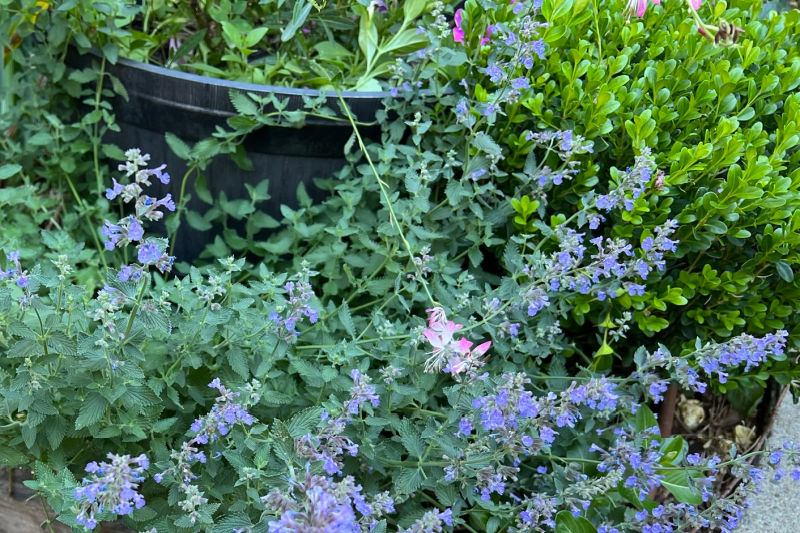
So what do I love about catmint? It is an easy-to-grow perennial, it has a wonderful scent and is so very popular with pollinators.
And very importantly, the gophers and deer have not bothered it in two years. Now that is a win in my garden!
Today we will talk about how to grow catmint in your garden, and what varieties are available so you can add some easy-care color to your garden.
garden info
Catmint vs Catnip
Are They the Same? Before we talk about their individual characteristics, let’s clarify the distinction between catnip and catmint.
What is Catmint x Faassenii?
Catmint x Faassenii is a member of the mint family Lamiaceae and is a long-lived perennial.
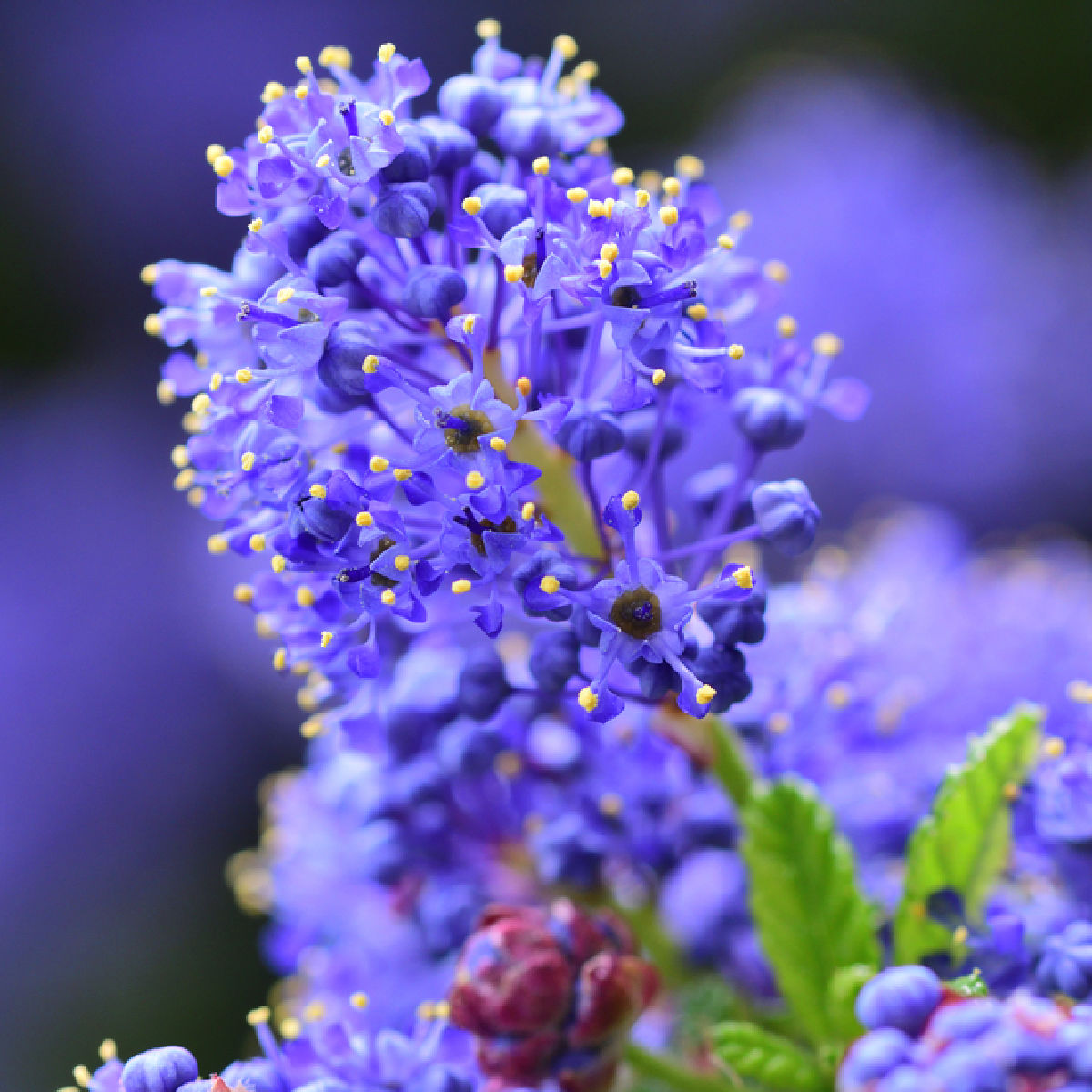
It blooms in upright spikes above gray-green foliage in shades of lavender, blue, pink, or white from Spring on into Fall.
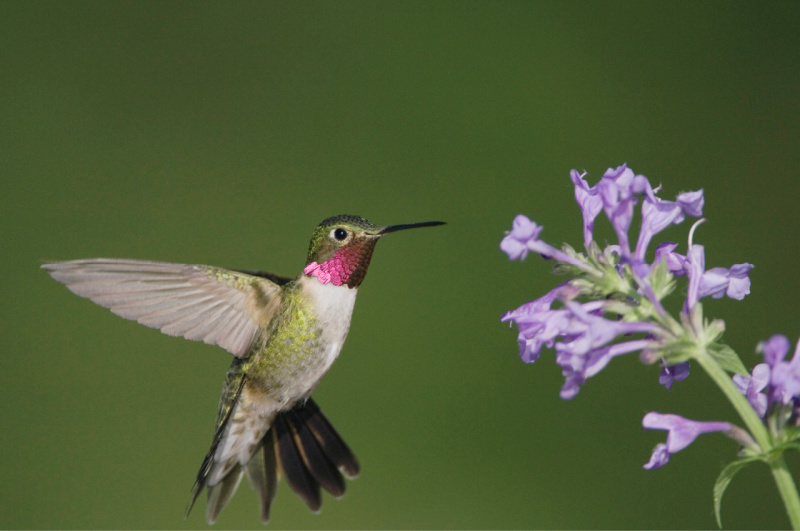
The flowers are tubular shaped making them popular with hummingbirds, butterflies, bees, and other pollinators.
Unlike its more potent relative, catnip (Nepeta cataria), Catmint (Nepeta) x Faassenii has a milder effect on cats.
In fact, my cats ignore it.
For the remainder of this post, I will use the term catmint instead of adding the faassenii.
The Catmint plant is native to parts of Europe and Asia. And even though it is in the mint family it is not a bully.
Nepeta – catmint is drought tolerant once established. It is perfect for beginner gardeners as it thrives with little to no care and works well in water-wise gardens.
It is hardy in zones 3-8, repels pests (mint scent and fuzzy leaves), and is disease-resistant. The ones I grow have been tough as nails in the garden.
Just note that I have seen Catmint growing well in Zone 9 as well.
Don’t be afraid to push the limits when it comes to garden zones. The growing conditions can have more of a bearing than just a zone.
This plant comes in various sizes to fit into just about every garden and will grow well in containers.
Most of the named hybrids are sterile, meaning they will not spread from seed.
Growing Catmint (Nepeta)
Growing Catmint seems to be effortless and that is why I would love for you to give it a try.
Catmint performs and flowers best in full sun yet will do okay in part shade in hotter regions. I have it growing in both types of areas and it does very well.
However, the taller selections do tend to flop in shadier spots.
Soil
This tough plant can take on clay or rocky soil. Like most plants, it does best in well-draining soil thus avoiding root rot.
To create well-draining soil make sure to amend your soil as needed. I typically add compost to help loosen my clay soil.
All the best garden tips
Easy Composting
Making compost for a beautiful garden is fairly simple. Even small gardens can have a neat little compost bin tucked in a corner.
If you are growing in containers you will want to use a high-quality potting mix.
Most good quality potting mixes have just the right mix of well-draining properties along with moisture retention.
Watering
In the first season provide regular watering, especially if you have planted in Spring. Fall-planted nepeta may have developed deeper roots and not need as much.
Once the root system is well established then little watering is required.
It is important to remember that during extreme heat or drought, supplemental water may be needed. So keep an eye on your plants during such time and give them some water if they look stressed.
Just a note: The ones in my garden that get a tad too much water have a tendency to flop just like the ones in more shade. I will adjust my drip system next season to fix that problem.
Fertilizer
Catmint prefers little to no feeding. Mulching with some compost is sufficient but depending on how rich the compost is, it may be too much as well. Some wood bark mulching can work just fine.
If you fertilize you may get much less flowering and weaker growth which then will tend to flop.
Deadheading and Pruning
Taller varieties of catmint can become leggy. Once they bloom they can flop over rather than remain upright.
After the flowers begin to fade, shear the plants back to encourage new, stockier growth and more blooms.
All varieties of catmint do well with a shearing back once they have bloomed. However, I have found the faded blooms to be very attractive too.
I tend to shear back half of the blooms when flowers begin to fade, then shear back the other half a few weeks later. But that is just what I like to do.
Pruning also keeps the plants looking tidier.
Just note, that many nepeta aka catmint varieties will state they will not flop but that depends upon many factors.
I have a few that are not supposed to but still do as they can get too much shade during parts of the year. A heavy rain can also cause them to bend.
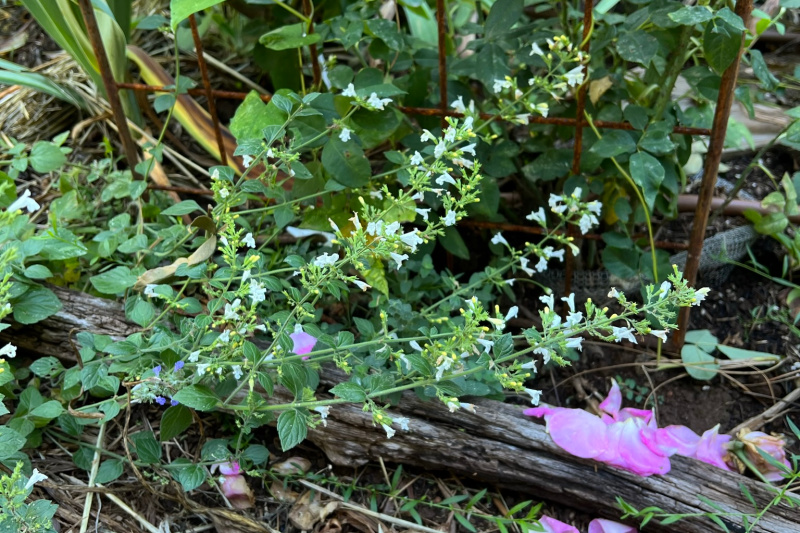
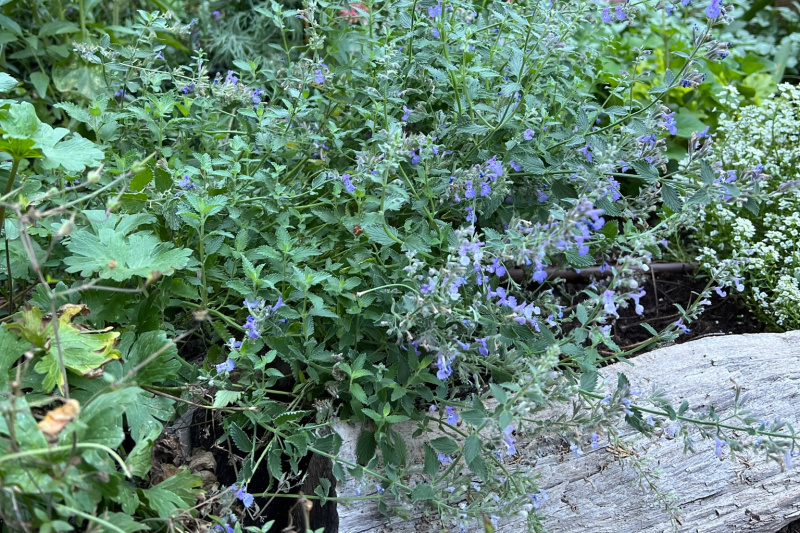
Don’t feel you are doing something wrong when they do. In the image below note how I shoved a log up against the base of this Junior Walker nepeta to give it some support but many stems are laying horizontally.
Planting Catmint – Nepeta
The optimum time to plant is typically Spring or Fall but quite frankly I have planted it whenever I find a new variety I want to try.
So don’t wait if you find one you wish to add to your garden. I just divided some of mine and replanted and it is still summer, they are doing fine. (see video linked at the end of this post)
Spring or Fall planting is usually preferred as many times it lets the plant get established with less stress but it is a rule of thumb and not a hard and fast rule.
When you buy the hybrids that are named usually the tag will let you know how tall and wide it will get. Plant between 1 to 3 feet apart, depending upon variety.
Loosen the soil in your flower bed and dig a hole slightly wider and deeper than the root ball of the catmint plant.
When you remove the plant from the pot tease out the root if it is root-bound.
Place the plant into your planting hole and make sure the base is level with the soil.
Fill in the hole with soil and press down to remove any air pockets then water in.
Varieties of Catmint you May want to Try
There are hundreds of varieties of catmint but these are in the Catmint Faassenii category and some of the most available.
Nepeta Walker’s Low
This plant was the voted 2007 perennial plant of the year. It was named for a garden in England and not for its size.
That tends to fool people into thinking this is a shorter version but it can grow to 30” tall and up to 3 feet wide.
The growing zones for Walkers Low is 4-9
Nepeta Walkers Low has lovely blue-violet flowers and the typical green-gray foliage. It has a long season of bloom and a carefree habit which makes it highly sought after.
You may wish to provide support for Walker’s Low Nepeta, it tends to flop from the center creating a big gap.
Nepeta Six Hills Giant
Living up to its name, this variety achieves taller heights, up to 36 inches tall and wide.
The height of Six Hills Giant makes it an excellent choice for creating a dramatic backdrop, informal herbaceous hedge, or focal point.

Although some sites claim it blooms only in June and July, others say it will bloom up through September, depending on your gardening conditions.
It is noted to be more tolerant of damp conditions than others. I have yet to test this variety so I can’t speak to how it performs.
Nepeta Kit Kat
For those seeking a shorter growing option, ‘Kit Kat’ is a dwarf version of Catmint x Faassenii. Its smaller 10 to 12-inch size makes it ideal for edging and container gardening.
Kit Kat is also noted for blooming 2 weeks sooner than other varieties. I am testing another low grower I just found called Nova Blue. I will chime in another time to relate how it does.
Nepeta Purrsian Blue
This catmint has a tidy, naturally rounded habit that stays more compact but not as small as Kit Kat or Cats Pajamas.
The 14 to 18-inch height makes it perfect for a little further back in the border.
A vigorous grower, it will double in width in the very first season.
Purrsian Blue has dark purple calyxes that create a dramatic backdrop to the periwinkle blue flowers.
This beautiful nepeta will look great all season long and will not reseed.
This catmint is considered hardy in zones 3-8.
Kitten Around
With a name that embodies playful elegance, ‘Kitten Around’ holds dainty lavender-blue blossoms with bright rosy purple calyxes.
Hardy in zones 3 – 8. Kitten Around grows 12 to 14 inches tall and 20 inches wide.
This catmint is the perfect size for containers, edging the sunny border, or filling in small spaces in the garden.
Cat’s Meow
Cat’s Meow nepeta is touted as being a more refined and vigorous catmint in the garden.
It grows broader through the season, filling the border with scented foliage and colorful blooms.
It blooms and reblooms without fail all summer long, making it a true winner for any lazy gardener.
Cat’s Meow grows 17 to 20 inches tall and 24 to 36 inches wide. I have this one and I must say I do love it, especially its tendency to keep on blooming.
Though it is supposed to stay upright I must give it a bit of support in my garden but that may be because I have it in an area it gets more water than it would prefer.
Nepeta Junior Walker
Nepeta Junior Walker is a dwarf version of Walkers Low.
It typically grows 14 to 16 inches tall and up to 36 inches wide. To keep it smaller you can shear it back before flowering. However, this will delay blooms.
Highly floriferous, this beauty keeps pumping out lavender blooms atop spiky foliage from early summer through fall.
Junior Walker is said to be hardy in zones 3 – 9.
Cat’s Pajamas
Completing our list, Cat’s Pajamas enchants with its early display of blue-purple flowers at the feet of shrubs and other perennials.
This is the Catmint that first stole my heart. I bought it off a bargain rack and popped it in my Rose Garden along the path.
It bloomed from bottom to top for months and brought a touch of color when not much else was blooming. The rosy purple calyxes provide color even when the blooms have faded.
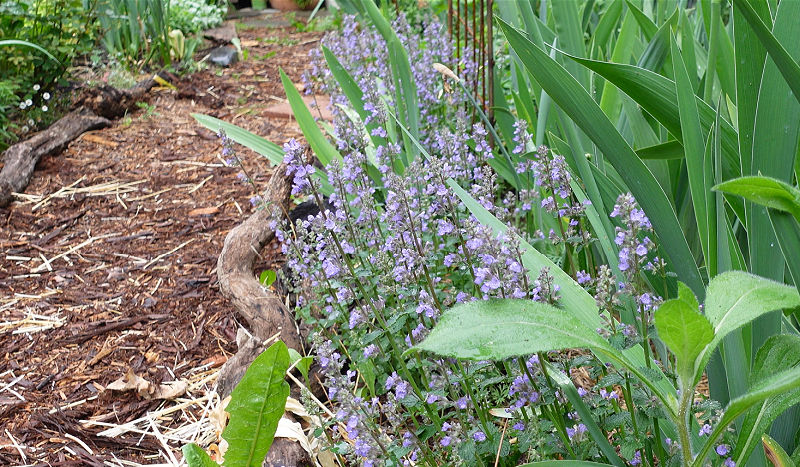
Cat’s Pajamas grow 12 to 14 inches tall and up to 20 inches wide so it is easy to tuck into garden beds or containers.
Shear back the blooms once they fade for a rebloom. Hardy in zones 3 – 8 though I would go ahead and give it a whirl in zone 9.
Are you ready to try Catmint x Faassenii? There are so many to choose from I am sure you will be able to find them at your local nursery or garden center.
If you want to feel successful in your gardening efforts then Catmint aka Nepeta x faassenii would be a great plant to grow.
With so many selections and sizes there is one that will fit any garden scheme!
In this video I share some of the varieties I am growing and how I divide them to keep them healthy!
Hi, I’m Pamela
With 45 years of hands-on gardening experience, I love sharing practical tips, proven techniques, and inspiration drawn from my own gardens. My goal is to nurture your confidence, spark your passion, and help make every step of your gardening journey more enjoyable.