Planting Peonies: Your Simple Guide
How to Plant Container-Grown Peonies in Your Garden
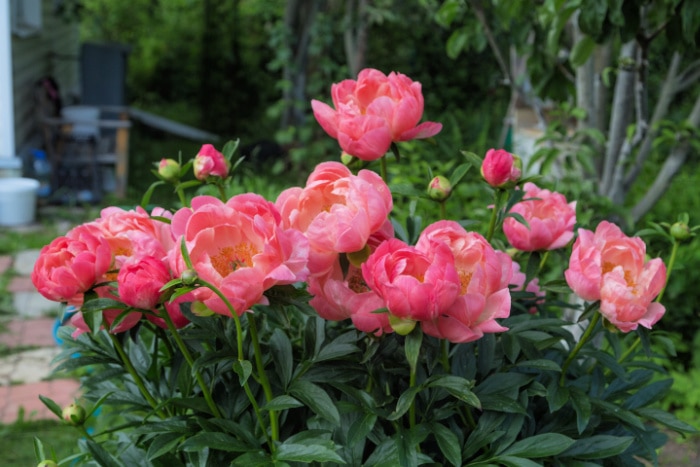
Peony plants are beloved garden plants known for their large, fragrant flowers, low maintenance, and lush foliage. Is this your first time planting peonies? Don’t worry!
Soon you will be enjoying these gorgeous flowers in early summer in your garden and we will help you get started. Remember, peonies are plants that take a bit to get established and you won’t see much until the following year but planting potted plants gives you a head start.
Planting container-grown peonies in your garden is a straightforward process that can bring years of beauty to your outdoor space. Follow these simple steps to ensure your peonies thrive for a long time.
This post contains affiliate links. If you make a purchase after clicking a link I may make a small commission at no cost to you.
You can buy herbaceous peonies (paeonia lactiflora) as potted plants or bare root peonies. I have done it both ways and they are equally good.
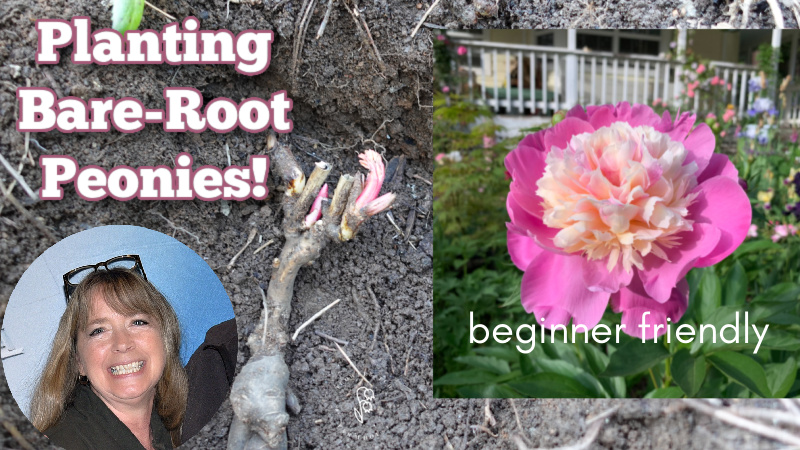
This post is about planting peony bushes you have purchased in a pot. For how to Plant Bare-Root Peonies go here! Bare-root plants are usually less expensive than container grown.
Note: there are a few different types of peonies, This post is about the herbaceous peony but there are also:
Tree peonies
Itoh peonies (also known as Intersectional Peonies)
Container-grown peonies may be more mature and bloom for you sooner. Peonies make a great cut flower too!
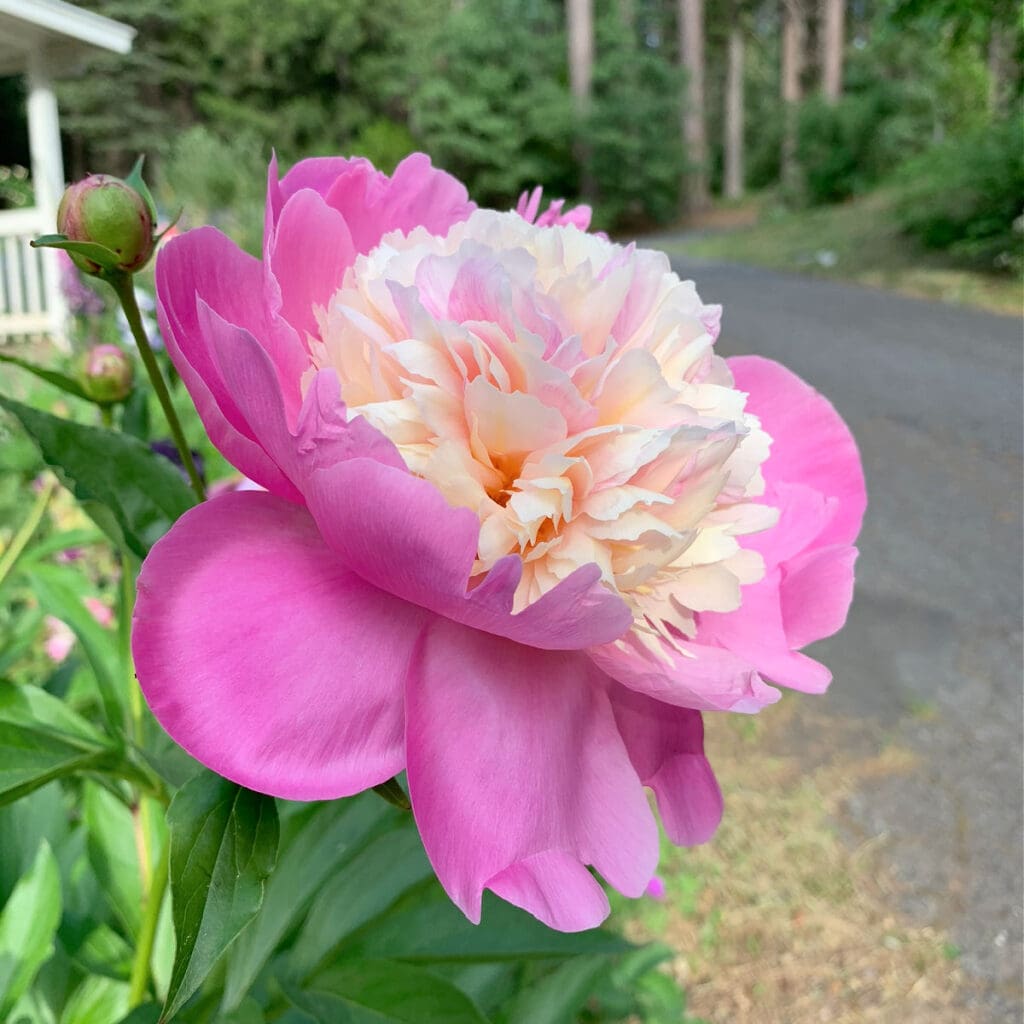
I have found garden peonies in bloom at Costco at a great price so if you see them at your local store don’t be afraid to snap them up. I have also had success in finding bargain plants at Lowes, their racks of reduced-price plants are typically found toward the back of the garden center. One of the fabulous features about peonies is they thrive in areas with cold winters.
When to Plant Peonies
The best time to plant Peonies is in the fall, typically from late September to early November. This allows them to establish roots before the winter.
However, container-grown peonies can be planted in the spring, as long as they are well cared for. Early spring would be best if you live in a hot climate.
The beauty of planting potted peonies in the Fall is you will see blooms the following late Spring whereas bare root peonies will take a couple of years to produce beautiful flowers.
Where to Plant Peonies
Peonies need plenty of sunlight to bloom well. Choose a spot in your garden that receives at least 6 hours of direct sunlight daily. They also prefer well-drained soil, so avoid areas where water tends to collect after a rain.
In areas with very hot summer temps full sun can be too much, herbaceous peonies will do better in a spot that gets some afternoon shade or dappled shade.
Prepare the Soil
Peonies thrive in rich, fertile yet well-draining soil. Before planting, prepare the soil by digging a planting hole that is twice the width and depth of the container the peony is currently in. This is great advice but don’t feel you must dig the hole that big. I rarely do but my soil has been amended for a couple of decades and I know the soil is in great condition.
DO NOT mix in some compost, organic matter, or well-rotted manure to enrich the soil into the planting hole. I show you why here: Stop Amending the Soil When Planting!
All the best garden tips
Stop Doing This When Planting!
Gardening is an art filled with age-old wisdom, traditions, and, yes, even a few myths. One of the most common and enduring gardening myths is amending soil when planting.
Planting Your Peony
Remove the Peony from the Container:
Carefully take the peony out of its container. If the roots are circling around the bottom, gently loosen them with your fingers.
Position the Peony Plant:
Place the peony in the prepared hole so that the top of the root ball is at ground level or surrounding soil level. For bare-root peonies, ensure the eyes (small, reddish buds) are no more than 2 inches below the soil surface.
Fill the Hole:
Backfill the hole with soil, gently firming it around the peony roots to eliminate air pockets. Water thoroughly to help settle the soil.
If you are planting more than one keep in mind that mature plants can reach 3 to 4 feet across. For best results and good air circulation, this will help to prevent diseases, give your beautiful peonies at least 3 feet between them.
Watering
Your newly planted peony needs regular watering, especially in the first year as they establish their roots. Water deeply once a week, ensuring the soil stays moist but not waterlogged. Mulching around the base of the plant can help retain moisture and regulate soil temperature.
Mulching and Fertilizing
Apply a 2-3 inch layer of mulch around the base of the plant, but keep it away from the stems to prevent rot. In the spring, you can feed your peonies with a balanced, slow-release fertilizer to promote healthy growth and blooms. Avoid over-fertilizing, as this can lead to poor flowering.
Note: I rely upon my annual compost addition instead of a commercially available fertilizer. It feeds the soil instead of just the plant.
If my plants need an extra boost I use this organic and sustainable liquid fertilizer that is made from food waste. It’s called EcoOrganic. Its good for the earth and your plants!
Support Peonies
Peonies produce large, heavy blooms that can cause the stems to bend or break. To prevent this, use plant supports or stakes around the plant. Install these early in the growing season so the peony can grow through them naturally.
I make my own peony supports as the ones available to purchase can be very expensive, see how I DIY them in the post and video!
quick & easy garden solutions on a budget
Support Your Peonies without Breaking the Budget!
Pruning and Maintenance
After the peonies have finished blooming, deadhead the spent flowers to encourage healthy foliage. In the fall, cut back the foliage to the ground to help prevent disease.
Compost the cuttings unless you have an issue with fungal diseases.
All the best gardening tips
How and When to Cut Back Peonies: Prune Peony Tips
As summer turns into autumn, it’s important to care for your peonies properly to get the best from them the following year. Knowing when and how to trim these lovely flowers helps them bloom beautifully in the future.
Patience is Key
Peonies are slow to establish and may not bloom heavily in their first year or two. However, with proper care, they will become more robust and produce more flowers each year. Once established, peonies can thrive for decades with minimal maintenance.
In fact, in my neighborhood there are peonies that were planted here in the 1940’s that are still thriving and blooming!
Troubleshooting Common Issues
No Blooms
If your peony isn’t blooming or has low flower production, it could be due to too much shade, improper planting depth, or over-fertilizing. Ensure your peony gets enough sunlight, and that the eyes are not planted too deeply.
Wilted Leaves
This could indicate root rot caused by poor drainage or overwatering. Ensure your planting site has well-drained soil.
Powdery Mildew
This fungal disease appears as white powder on the leaves. Improve air circulation around the plant and avoid overhead watering. Organic fungicidal sprays can help if the problem persists.
See what I tried and it did work but needs consistent application.
Remove any affected foliage to keep your plants healthy and help prevent spread.
Growing Peonies as Cut Flowers:
If you want to enjoy your peonies indoors, cut the flowers early in the morning when the buds are still somewhat closed. This is called the marshmallow phase, which means they feel like a marshmallow when gently squeezed.
Place them in a vase with fresh water and enjoy their beauty and fragrance indoors.
If growing for cut flowers many will encourage you to prune off all flower buds the first year or two of growth to improve flower production by the third year.
By following these simple steps, you can successfully plant and grow peonies in your cottage garden. With a little patience and care, you’ll be rewarded with their stunning blooms for many years to come.
Companion Plants
Good companion plants for peonies include lavender, irises, and roses. These plants not only look beautiful together but also help each other grow better. Lavender and irises can help keep pests away from peonies, while roses and peonies enjoy similar sunlight and soil conditions, making them easy to care for together. Planting these companions can create a colorful and healthy garden.
One iris garden I visited had lupines, peonies, and clematis growing and blooming together. They made fantastic garden companions!
Happy Peony Planting!
Stay tuned for more info on Itoh peonies also known as intersectional peonies. These types of peonies are a little different than herbaceous.
Hi, I’m Pamela
With 45 years of hands-on gardening experience, I love sharing practical tips, proven techniques, and inspiration drawn from my own gardens. My goal is to nurture your confidence, spark your passion, and help make every step of your gardening journey more enjoyable.