Square Foot Gardening Myths (and What Actually Works in a Real Garden)
Have you ever been told you can grow more food in less space just by planting everything closer together?
I remember when I first heard about square foot gardening. It sounded like the perfect solution—especially for a smaller garden or when you’re trying to make the most of what you have.
More plants. Less space. Bigger harvests.
But over time, and through a lot of trial and error in my own garden, I’ve learned something important:
👉 Not everything that sounds efficient actually works better in the long run.
Let’s talk about the myths surrounding square foot gardening—and what really leads to a healthy, productive garden.
What Is Square Foot Gardening?
Square foot gardening was popularized by Mel Bartholomew, and the concept is simple:
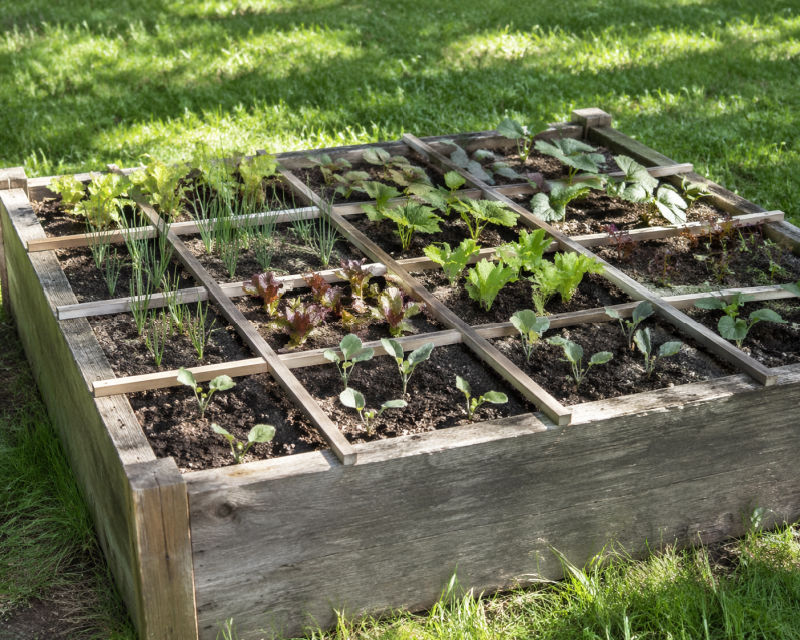
- Divide your garden bed into 1-foot squares
- Plant crops closer together than traditional spacing
- Use rich, loose soil
- Eliminate wasted space like wide rows
And on paper, it makes a lot of sense.
But the way it’s often talked about… and the way it actually performs… can be two very different things.
Square Foot Gardening Myths
Myth #1: Closer Spacing Always Means Bigger Harvests
This is the one that draws most people in.
The idea is that if you fit more plants into a space, you’ll get more food.
But here’s what really happens:
Plants begin competing for:
- Sunlight
- Water
- Nutrients
- Airflow
And when they compete too much, you often end up with:
- Smaller plants
- Lower yields per plant
- More stress overall
Yes, you might harvest more in total, depending on the plants—but not always as much as you’d expect.
Sometimes, giving plants just a bit more breathing room actually produces a better harvest.
Stop Pruning Your Tomatoes
Myth #2: Plants Don’t Need Traditional Spacing
Spacing guidelines exist for a reason.
They’re based on:
- How wide plants grow
- How deep their roots spread
- How much air needs to move between them
When plants are spaced properly, you get:
- Stronger growth
- Better airflow
- Fewer disease problems
Square foot gardening compresses that spacing, which can work under ideal conditions—but it removes a bit of that safety margin.
Myth #3: It Works the Same in Every Garden
This is where things really start to matter.
What works beautifully in one garden may struggle in another.
In tighter planting systems, airflow becomes more limited—and that can lead to problems like:
- Powdery mildew
- Blight
- Increased pest pressure
If you garden in:
- Warm climates
- Humid areas
- Spaces with limited airflow
…you may find that closer spacing actually creates more work, not less.
Myth #4: You Don’t Need to Thin Seedlings
It’s tempting to leave every little seedling that pops up. I’ve done it myself.
But when too many plants grow in the same space, they don’t thrive—they compete.
You may see:
- Spindly stems
- Slower growth
- Reduced production
Thinning isn’t wasteful—it’s part of growing strong plants.
Myth #5: Square Foot Gardening Is Always Easier
This one surprised me the most.
While square foot gardening can save space, it doesn’t always save effort.
In fact, dense planting can mean:
- More frequent watering
- Faster nutrient depletion
- More attention to airflow and pruning
It’s not harder necessarily—but it’s not always simpler either.
So, Why Do People Say It Produces More?
Because sometimes… it really does.
Square foot gardening shines when:
- Soil is rich and well cared for
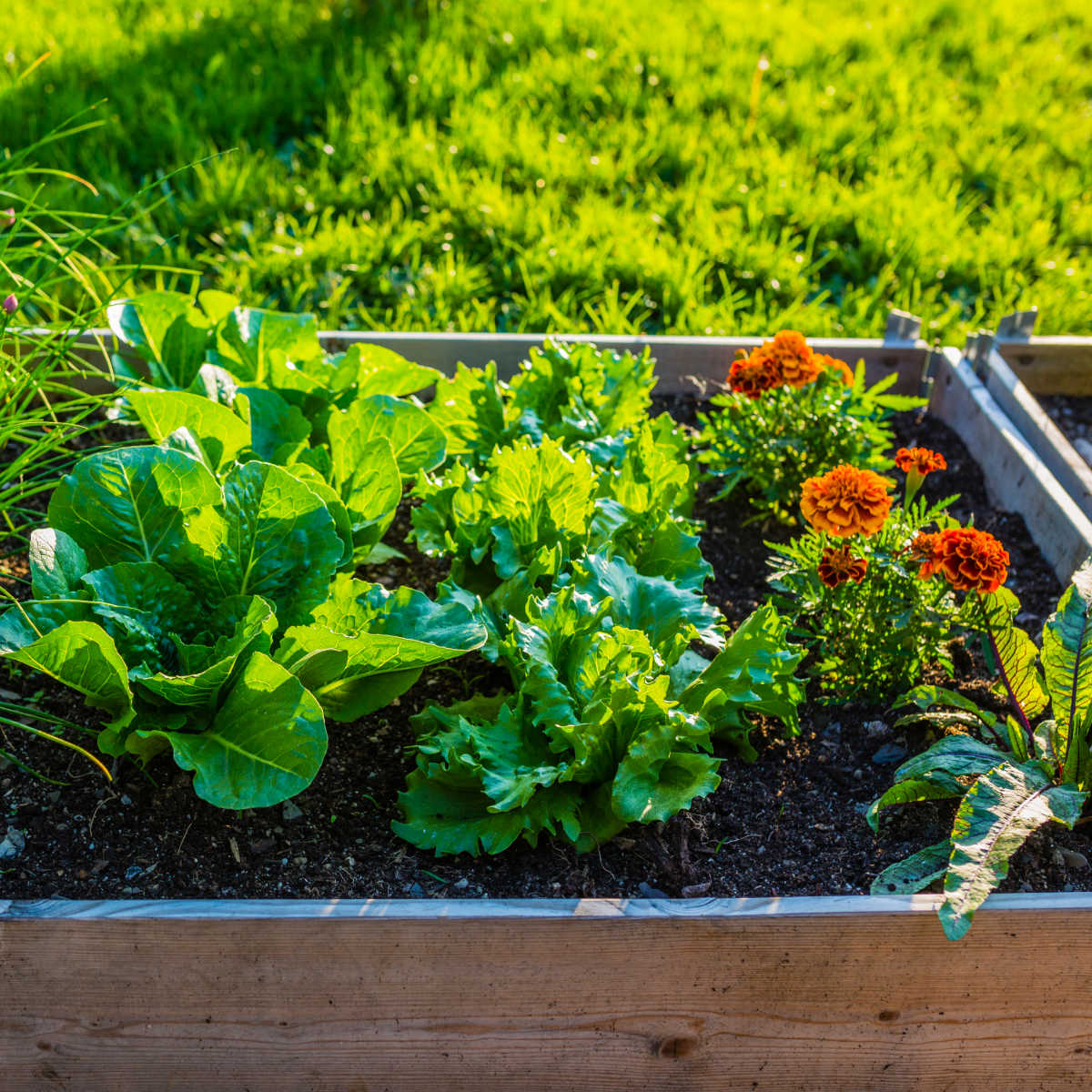
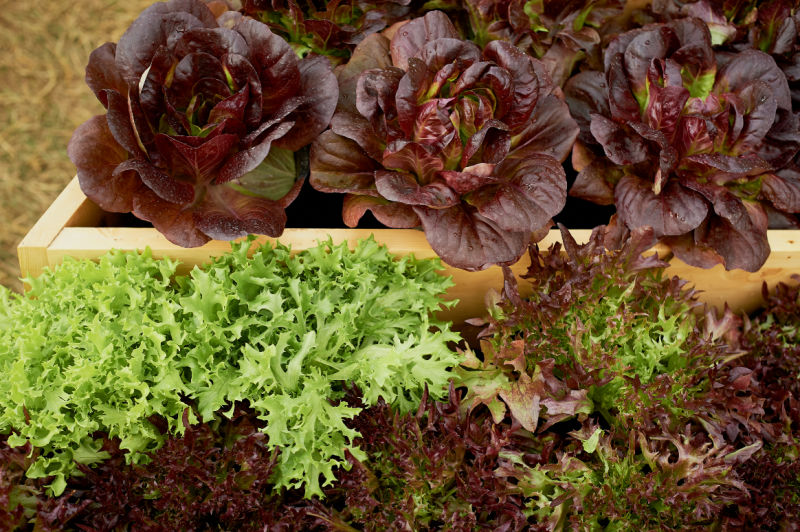
- Crops are small and quick (like lettuce, radishes, herbs)
- The gardener stays attentive
And most importantly…
👉 It eliminates wasted space.
When you remove wide rows and empty pathways, your garden feels more productive—and often is.
The Truth Most Gardeners Discover
Over time, many of us land somewhere in the middle.
Not strictly square foot gardening…
Not strictly traditional row spacing…
But something more balanced.
Because gardening isn’t about pushing plants to their limits—it’s about helping them thrive.
A More Thoughtful Way to Garden
Here’s what I’ve found works best in a real-life garden:
- Space leafy greens a bit closer—they tolerate it well
- Give larger plants (like tomatoes, squash, or zinnias) more room
- Pay attention to airflow, especially in humid weather
- Focus on building healthy soil first
- Adjust based on what your garden tells you
Your garden will always teach you more than any method ever will.
A Gentle Reminder
There’s nothing wrong with square-foot gardening.
It’s a helpful tool. A useful method.
But it’s not a magic formula.
And if something doesn’t seem to be working in your garden…
👉 It’s okay to adjust.
Final Thoughts
I’ve come to believe that a good garden isn’t about fitting in as much as possible.
It’s about creating a space where plants can grow well… and where you can enjoy the process without feeling like you’re constantly trying to keep up.
Sometimes giving things a little more room—plants included—makes everything easier.
And in the end, that’s the kind of garden most of us are really hoping for.
I wish you Happy, Successful Gardening!
Hi, I’m Pamela
With 45 years of hands-on gardening experience, I love sharing practical tips, proven techniques, and inspiration drawn from my own gardens. My goal is to nurture your confidence, spark your passion, and help make every step of your gardening journey more enjoyable.