How to Grow Larkspur: A Complete Guide
How to Grow Larkspur in Your Garden: A Complete Guide
The first time I planted larkspur in my garden, I didn’t realize how much it would change the way I garden. I was given a batch of seeds and tossed them out directly in the garden one Fall with a bit of hope and some doubt.
I had admired their tall, delicate spikes of beautiful blues and purples, but I wasn’t sure they’d grow for me. Wow, did they take off and bloom with wild abandon! And that is why I encourage you to grow larkspur in your garden.
This post contains affiliate links. If you make a purchase after clicking a link I may make a small commission at no cost to you.
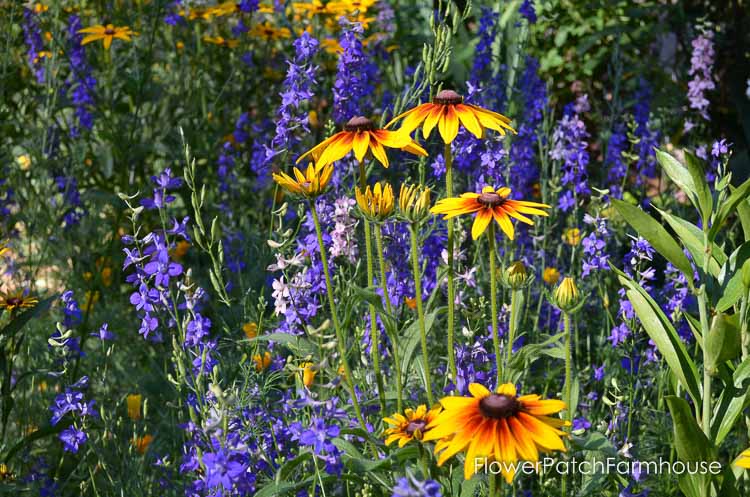
With its tall, colorful spires, Larkspur adds a dramatic and romantic touch to any garden. Beloved by cottage garden growers, these elegant blooms bring height, texture, and vibrant color to borders and flower beds. Here’s my guide to growing larkspur in your garden.
What is Larkspur?
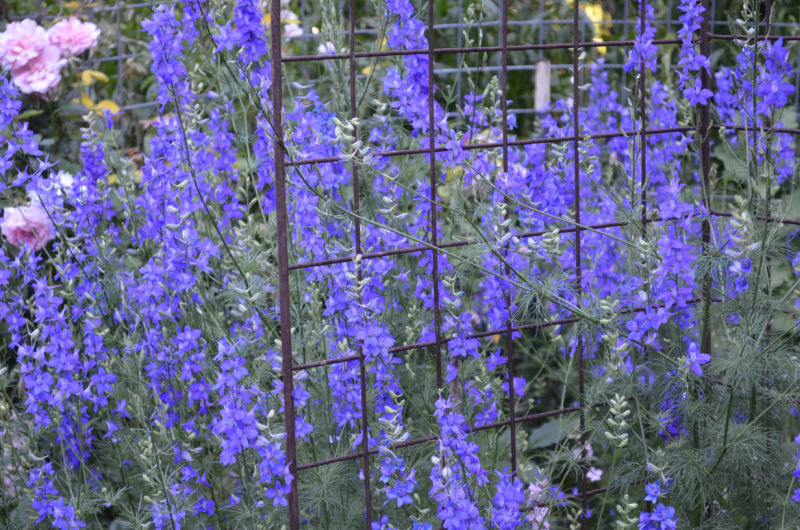
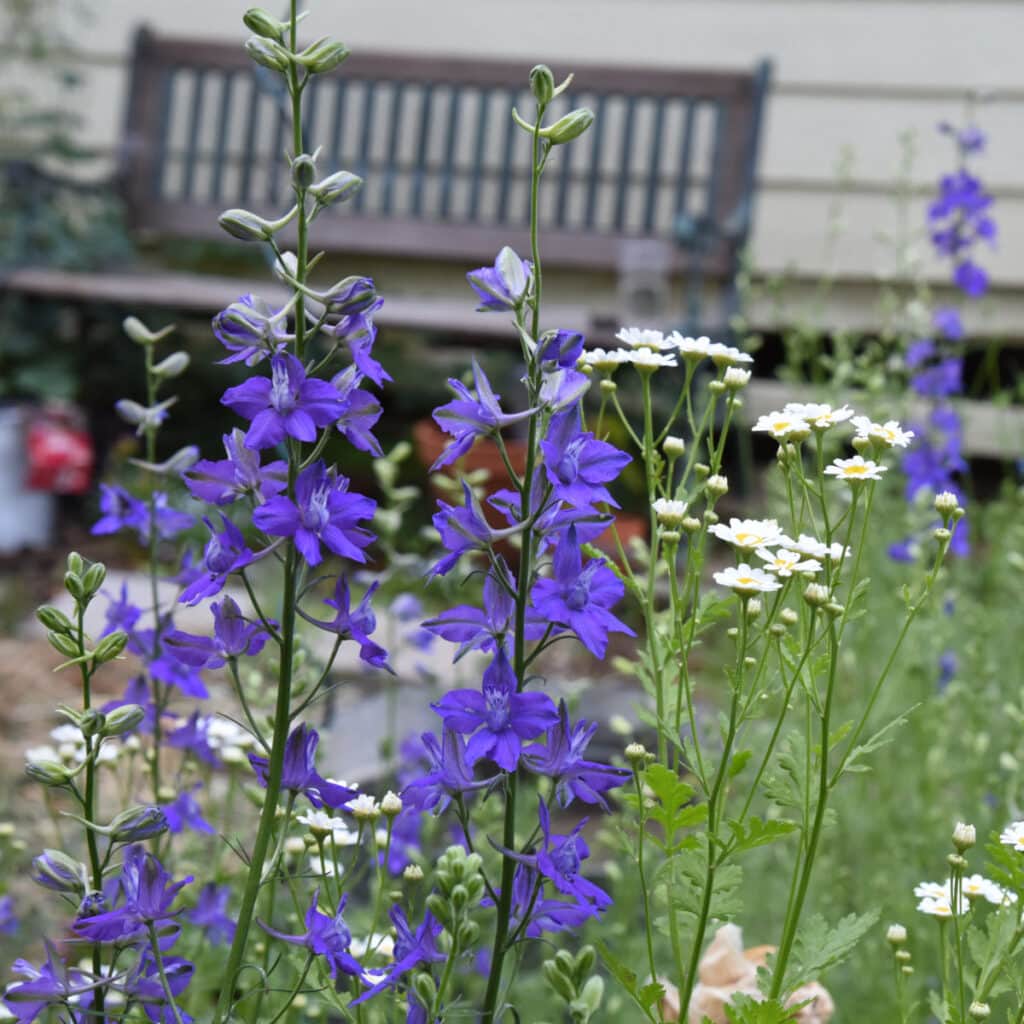
Larkspur (Consolida ajacis) is an annual flowering plant known for its striking spikes of blooms that range in color from deep blue and violet to pink and white. Often confused with its perennial cousin, delphinium, larkspur is easier to grow. This cold-hardy annual blooms from late spring to early summer, and its blossoms attract pollinators like bees and butterflies. (it will bloom longer with deadheading)
Choosing the Right Spot for Larkspur
Larkspur thrives in a sunny location with well-drained soil. Here are some tips on selecting the perfect spot:
Sunlight
Larkspur needs at least 6 hours of direct sunlight daily, though it can tolerate partial shade in very hot climates.
Soil:
Well-draining, slightly alkaline soil with a pH between 6.5 and 7.5 is ideal. Avoid overly rich soil, as this can lead to weak stems and sparse flowering.
Protection:
Larkspur’s tall stems can be vulnerable to strong winds, so choose a location with some natural wind protection or consider staking taller plants.
How to Plant Larkspur
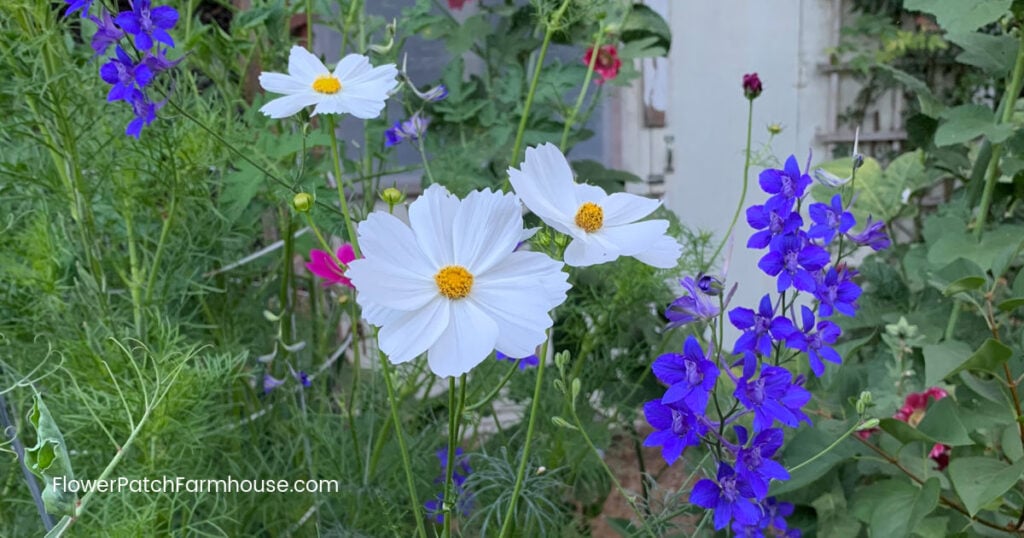
Larkspur grows best from seed, either sown directly into the garden or started indoors for earlier blooms.
Direct Sowing in the Garden
- Timing: Larkspur seeds need a period of cold stratification to germinate well. Sow seeds in the fall if you live in a mild climate or very early spring while the weather is still cool. I sow them in Fall and they do wonderful for me and will bloom sooner than if I plant them in Spring. Experiment to see which is better for you. You can also Winter Sow them.
- Preparation: Rake the soil to loosen it, and then scatter seeds on the surface. Lightly press them into the soil, as they need some light exposure to germinate.
- Watering: If you don’t get rain, keep the soil consistently moist until seeds sprout. If sowing in Fall you typically don’t need to worry about watering. But if you Spring sow this is good advice. Germination can take 2-3 weeks, depending on temperatures.
Starting Indoors
Larkspur are best grown directly in the garden but you can try to start them indoors. Here is what you need to know, if you are successful then please do let me know!
- Timing: Sow seeds indoors about 8-10 weeks before your last expected frost date.
- Cold Stratification: To simulate winter conditions, refrigerate seeds for 1-2 weeks before planting. I find stratification works best if they are in moist potting soil in the fridge. Or you can place the container in a protected cold area, like an unheated garage or basement.
- Containers: Use seed-starting trays, recycled containers, or pots filled with seed-starting mix. (I use my DIY potting soil)
- Light: Place containers in a bright location, keeping the soil lightly moist.
Caring for Larkspur Plants
I have found that once larkspur plants are established, they require minimal care but will reward you with abundant blooms if properly tended.
Watering
As with most plants, Larkspur prefers moderate watering; avoid overwatering as it can lead to root rot. During dry spells, water plants deeply but infrequently, allowing the soil to dry slightly between watering sessions.
Fertilizing
If you keep your soil fed by adding compost or well-rotted manure annually Larkspur won’t require feeding. If you have poor soil, then amend the area you are planting the larkspur with compost before planting.
You can buy compost at your local garden center or landscape supply. But the best is what you can make at home.
Feed Your Soil Not Your Plants!
If you feel you must feed then use an organic liquid feed that will help your soil while feeding your plants.
Mulching
Applying a thin layer of organic mulch around the base of your plants helps retain soil moisture, regulate temperature, and suppress weeds.
Mulch: 15 Types for Your Garden
Supporting Tall Plants
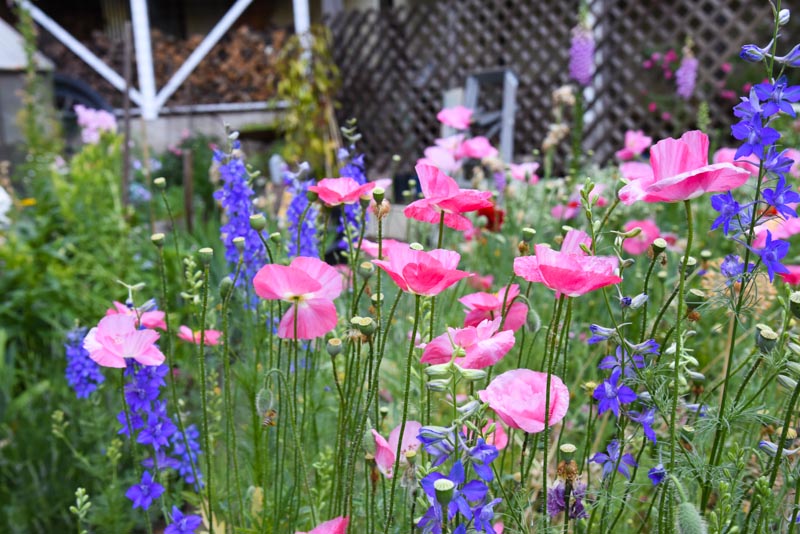
Some larkspur varieties can reach heights of up to 3-4 feet. Consider using stakes or a simple garden twine support system to prevent stems from bending or breaking, especially in windy areas.
I have not had any issues with my larkspur needing support but that being said your conditions may differ. Be prepared to support if needed.
Common Problems and Pests
Larkspur is generally pest-resistant, but it can occasionally encounter problems:
- Powdery Mildew: This fungal disease is more common in humid conditions. Ensure good air circulation around plants, and avoid overhead watering to prevent mildew. I live in an arid region so I don’t have this issue.
- Aphids: These small insects can appear on new growth. Use insecticidal soap or neem oil to treat aphid infestations. (use very sparingly, neem oil can present a problem for beneficial insects, I prefer to hose off any aphids with a jet of water)
- Snails and Slugs: These pests may feed on young larkspur seedlings. Keep an eye out for these pesky critters’ slimy trails. I prefer to make beer traps for the slugs to keep them in check. So far they prefer my hostas and don’t bother my larkspur. (I have also used a product called First Saturday Lime that worked very well and is pet-safe)
Harvesting and Using Larkspur Flowers
Larkspur makes an excellent cut flower, with blooms lasting up to a week in a vase. Harvest stems in the early morning when half to 2/3 of the flowers on the spike have opened. Cut at an angle and place immediately in water.
Tips for Arrangements and Drying
Larkspur also dries beautifully, making it a perfect addition to dried flower arrangements.
To dry larkspur, cut stems when nearly all the flowers have opened. They bloom from bottom to the top, if the top two flowers have not opened it is fine but most should have opened. Hang the stems upside down in a cool, dark place with good airflow for about two weeks.
Growing Larkspur in Different Garden Styles
Larkspur is a versatile flower that can fit into various garden styles:
Cottage Gardens:
Pair larkspur with foxgloves, hollyhocks, poppies, and roses for a classic, whimsical look.
Pollinator Gardens:
Larkspur attracts bees and butterflies. Plant it near other pollinator-friendly plants like lavender and echinacea.
Related: Add Pollinator-Friendly Plants to Your Garden Today!
Hummingbird Gardens:
Pollinator gardens are usually perfect for hummingbirds, too! I share all the plants in my cottage garden that the hummingbirds flock to in droves. Some may surprise you!
Grow a Hummingbird Garden
Cut Flower Gardens:
Grow larkspur in rows for easy harvesting if you’re creating a garden specifically for cut flowers. The ones I grow will rebloom after cutting.
Cut Flower Gardening for Beginners
FAQs About Growing Larkspur
1. Can I grow larkspur in containers?
- Yes! Choose a deep container and stake the plants as they grow. Ensure good drainage, as Larkspur dislikes waterlogged soil.
2. Is larkspur toxic?
- Yes, all parts of the larkspur plant are toxic if ingested, especially to pets and livestock. Handle with care and keep away from small children and animals.
3. How can I make larkspur bloom longer?
- Deadheading (removing spent flowers) can encourage larkspur to produce more blooms, extending the flowering season. You can also succession sow early in the spring.
My PartingThoughts
Growing larkspur adds easy beauty and vertical interest to any garden, whether in borders, containers, or dedicated cut-flower beds. With its easy-care nature and stunning blooms, larkspur is a rewarding choice for all gardeners looking to fill their garden with minimal effort.
When I stated at the beginning that these flowers changed how I gardened, I meant it. I discovered that direct-sowing cold-hardy annuals was easy and extremely effective, and it was a grand way to garden on a budget.
A seed packet is inexpensive compared to buying plants. Plus, the plants that grow on their own are stronger and healthier during the season. Don’t be afraid to try Fall sowing!
Happy Flower Gardening!
Hi, I’m Pamela
With 45 years of hands-on gardening experience, I love sharing practical tips, proven techniques, and inspiration drawn from my own gardens. My goal is to nurture your confidence, spark your passion, and help make every step of your gardening journey more enjoyable.