The 40-40-20 Garden Design Rule: How to Arrange Plants for a Beautiful Garden
If you’ve ever walked through your garden and thought, “Why doesn’t this look as good as I imagined?” — you’re not alone.
And the truth is, it’s usually not because of the plants themselves.
More often than not, it comes down to shape.
Over the years, I’ve learned that beautiful gardens don’t happen by accident. They follow quiet little principles that keep things balanced and pleasing to the eye — even when the plants are doing their own thing.
One of my favorite design tricks is what is called the Trifecta Plant Design Guide:
40% fan-shaped plants
40% mounding or domed plants
20% spiked plants
Once you understand this, putting a garden together becomes so much easier — and a lot more enjoyable.
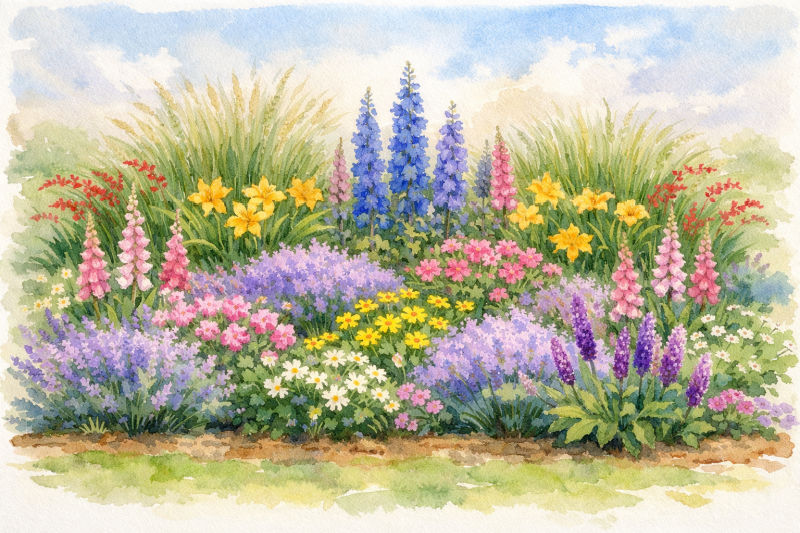
Why Plant Shape Matters More Than You Think
Most of us shop for plants based on color. And while color is lovely, it’s actually shape that gives a garden structure.
When a garden feels “off,” it’s usually because:
- Everything is the same height
- There’s no contrast
- Or all the plants compete instead of complementing one another
The trifecta method works because it naturally creates balance — just like you’d see in nature.
40% Fan-Shaped Plants – The Backbone of the Garden
Fan-shaped plants are your quiet workhorses. They create structure, rhythm, and movement.
These are the plants that gently arch, sway in the breeze, and anchor a garden bed visually.
Some favorites include:
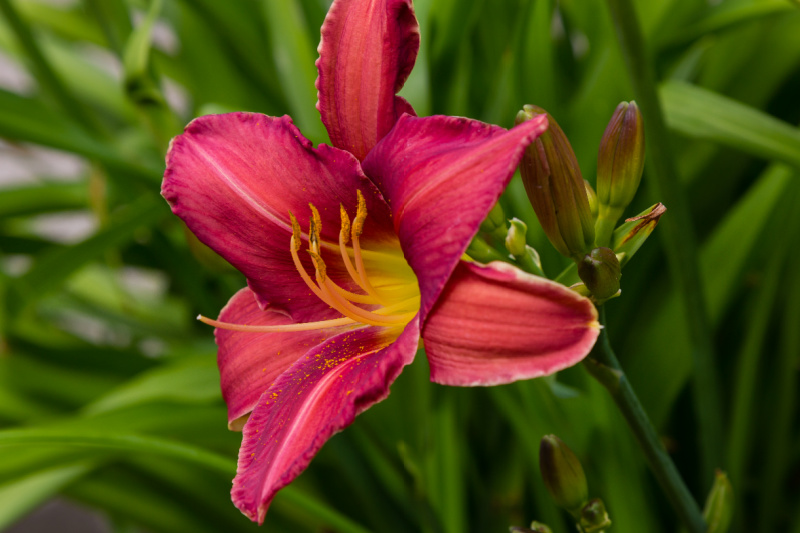
- Daylilies
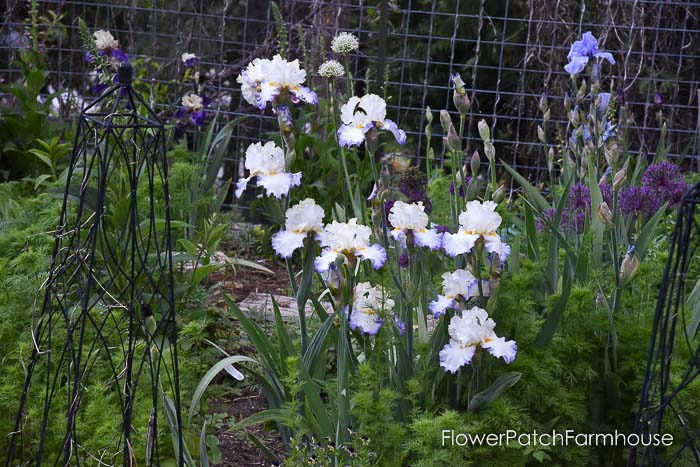
- Iris
- Ornamental grasses
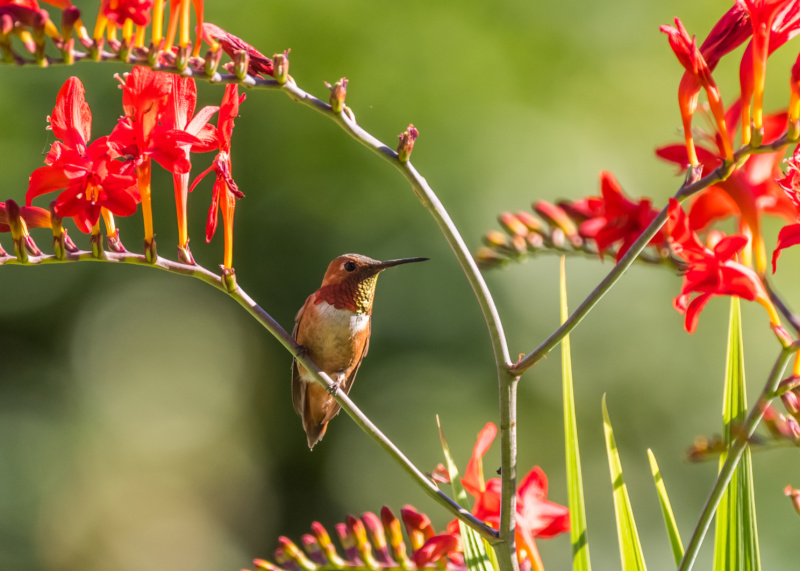
- Crocosmia
- Agapanthus
These plants give your garden its framework. They help lead the eye through the space and make everything feel intentional.
💡 Garden tip:
Repeat these plants in a few spots rather than using them just once. Repetition is what makes a garden feel calm and cohesive.
40% Mounding Plants – The Soft Fillers
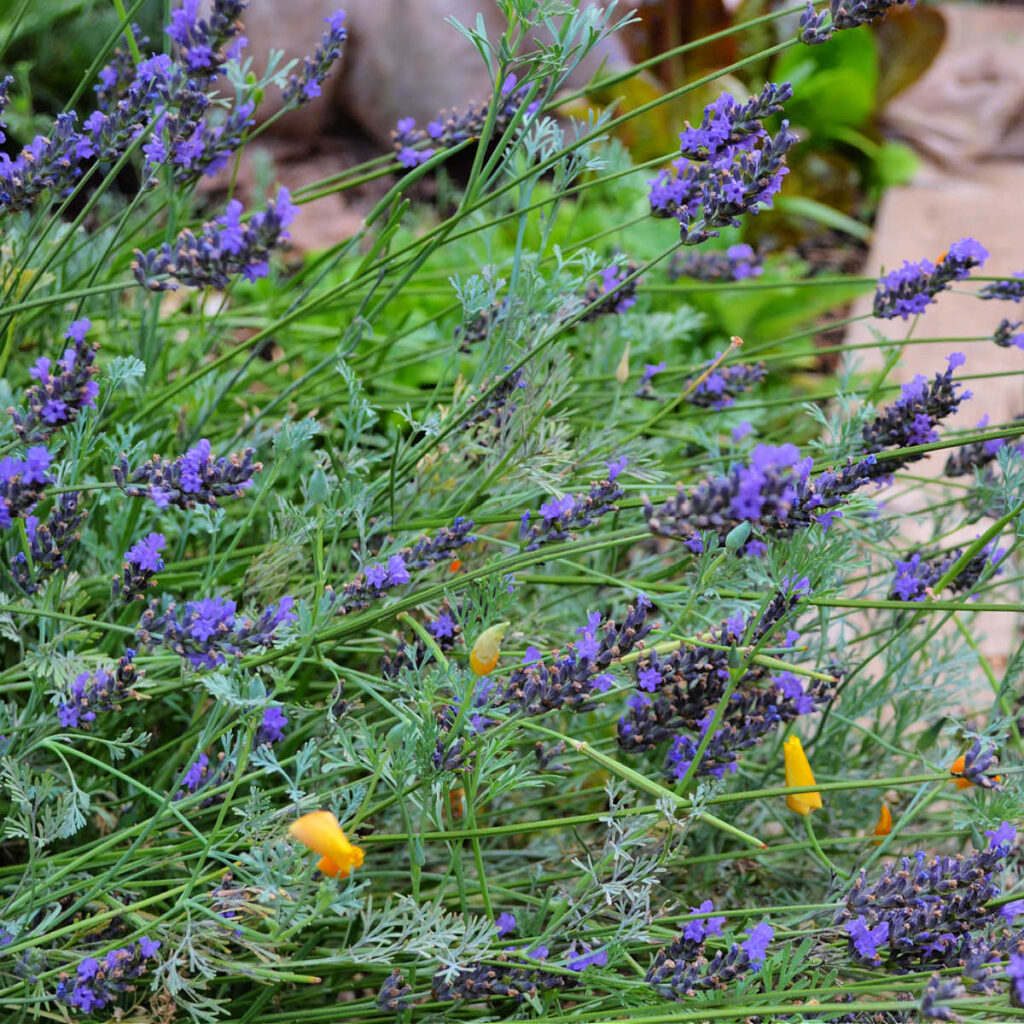
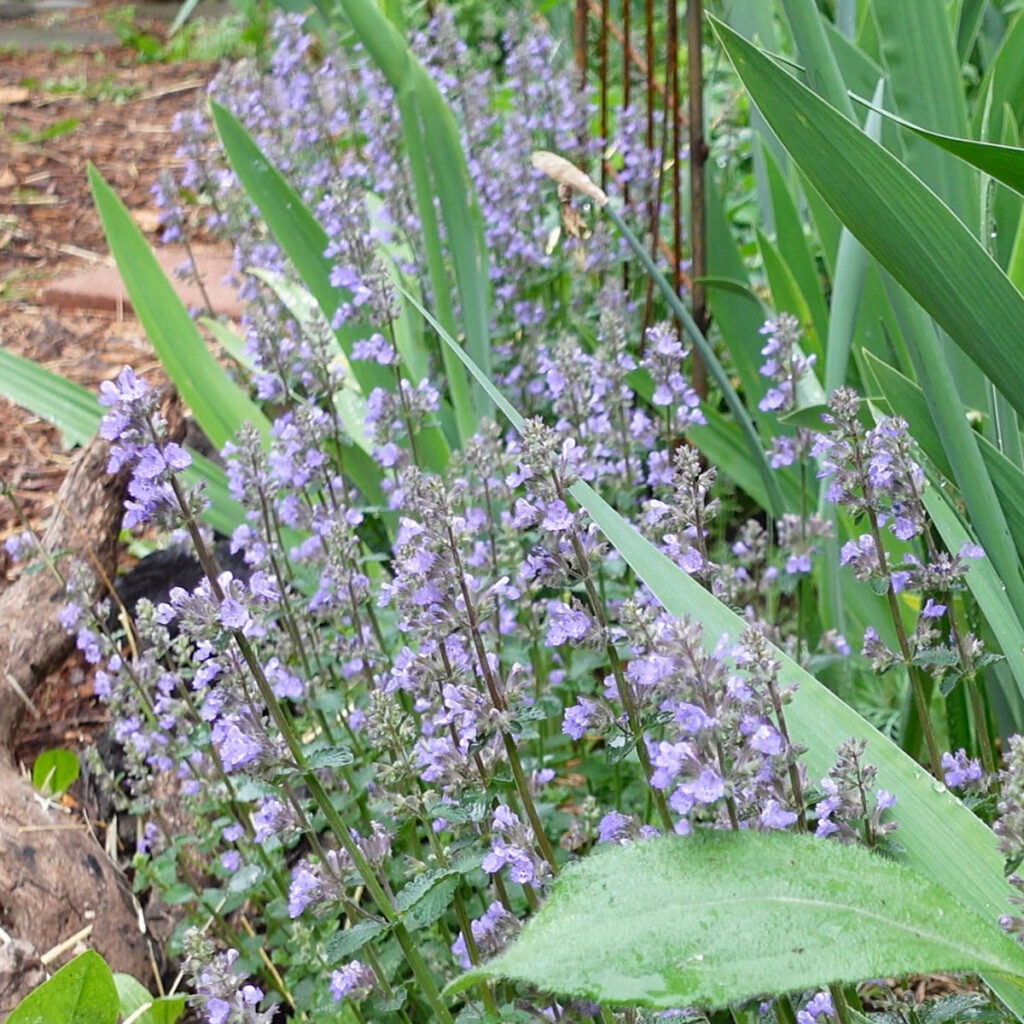
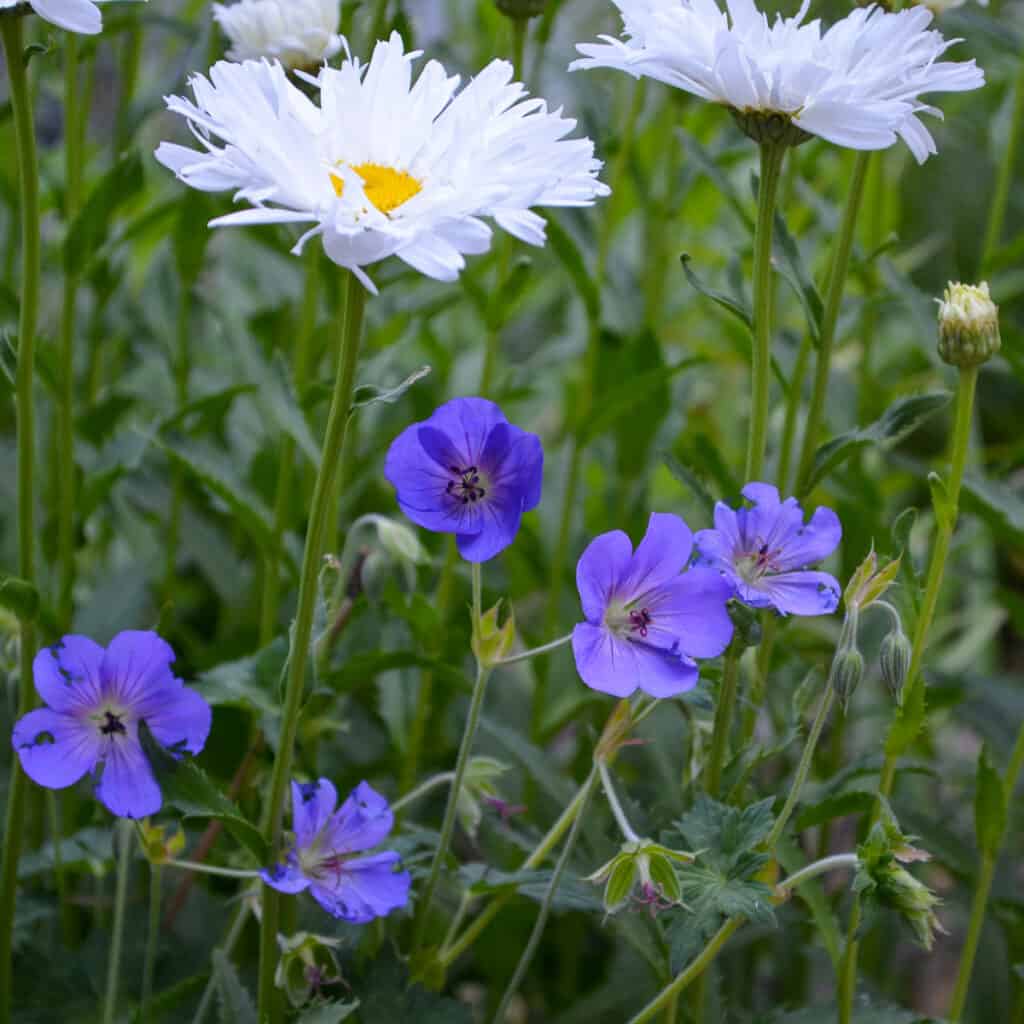
Mounding plants are what make a garden feel lush and full. They soften edges, fill gaps, and tie everything together.
These are the plants that quietly do a lot of work without asking for attention.
Some great examples:
- Lavender
- Catmint
- Perennial geraniums aka Hardy Geraniums
- Coreopsis
- Heuchera
They’re especially important because they help transition between taller and shorter plants, keeping the garden from looking choppy.
💡 Garden tip:
Plant these in small groups instead of singles. Odd numbers always look more natural.
20% Spiked Plants – The Drama Makers
Spiked plants are the exclamation points of the garden.
They add height, contrast, and that little bit of drama that makes people stop and look.
Think:
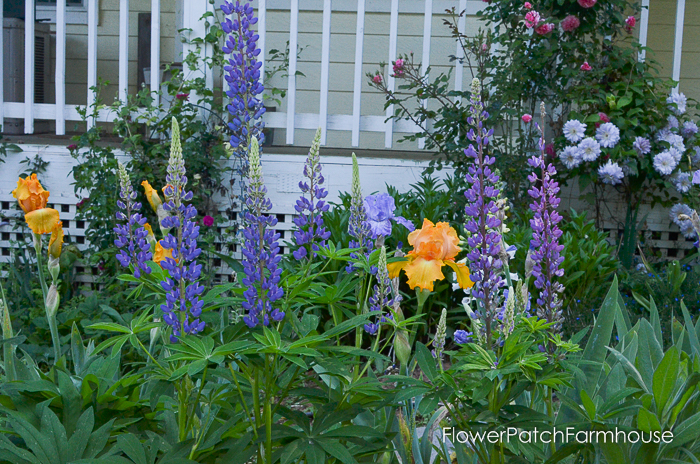
- Foxglove
- Delphinium
- Liatris
- Tall salvias
- Veronicas
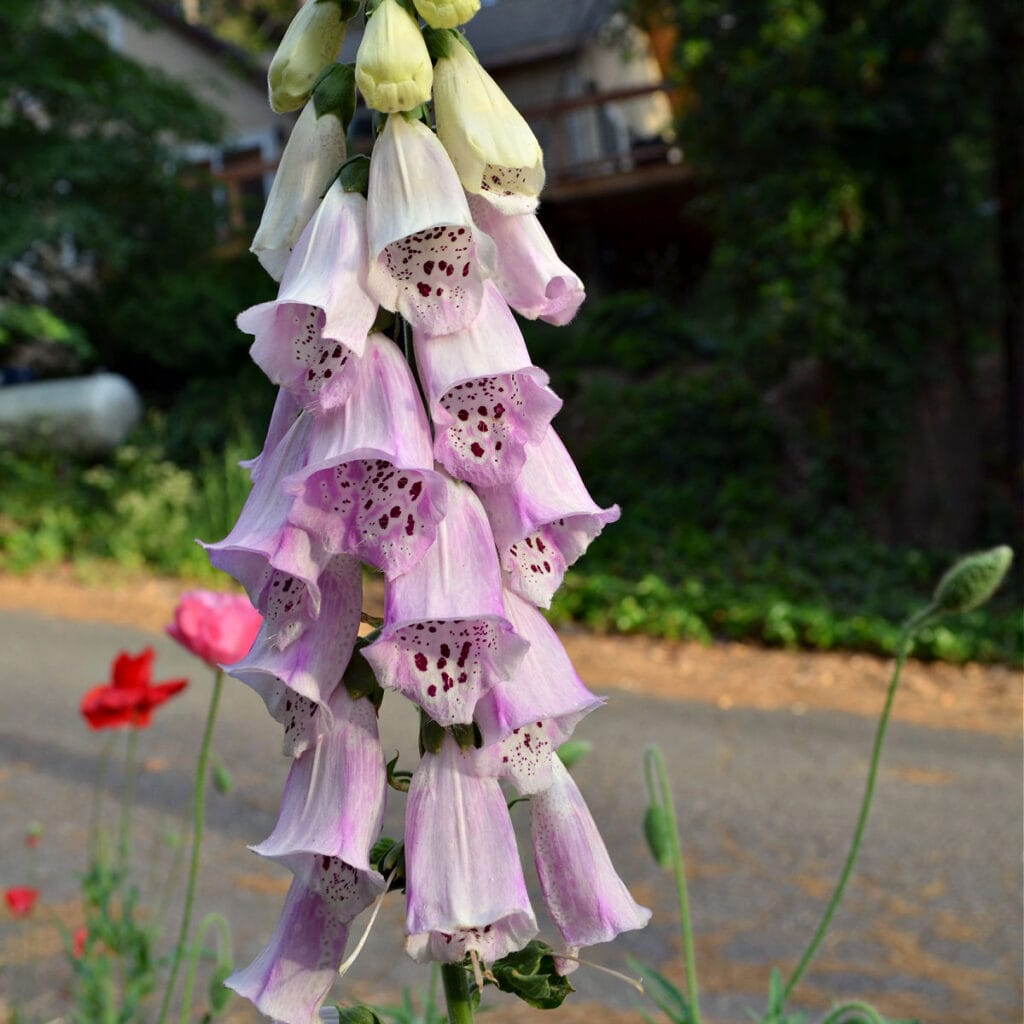
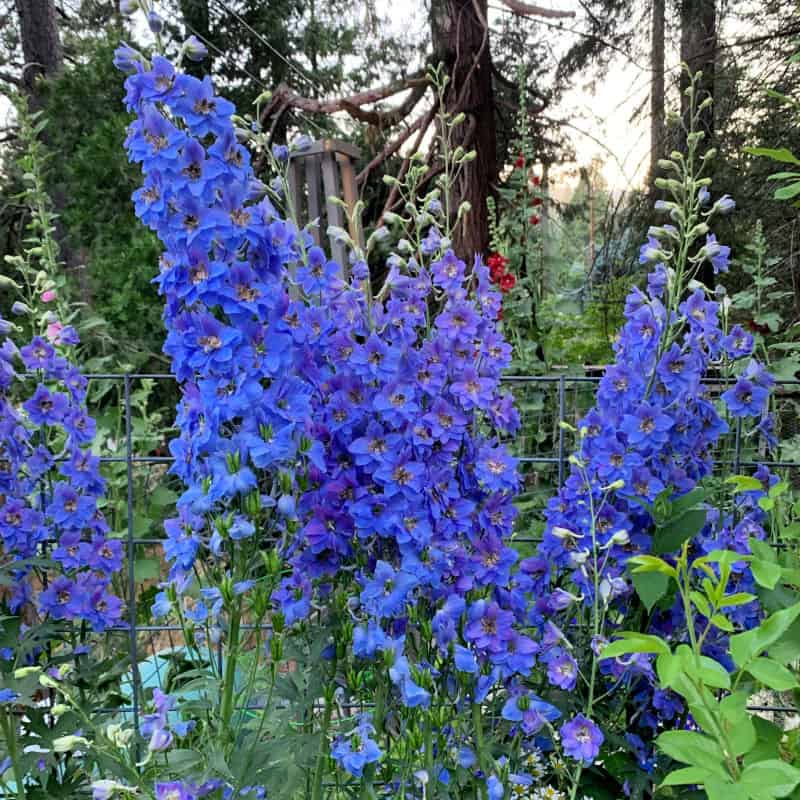
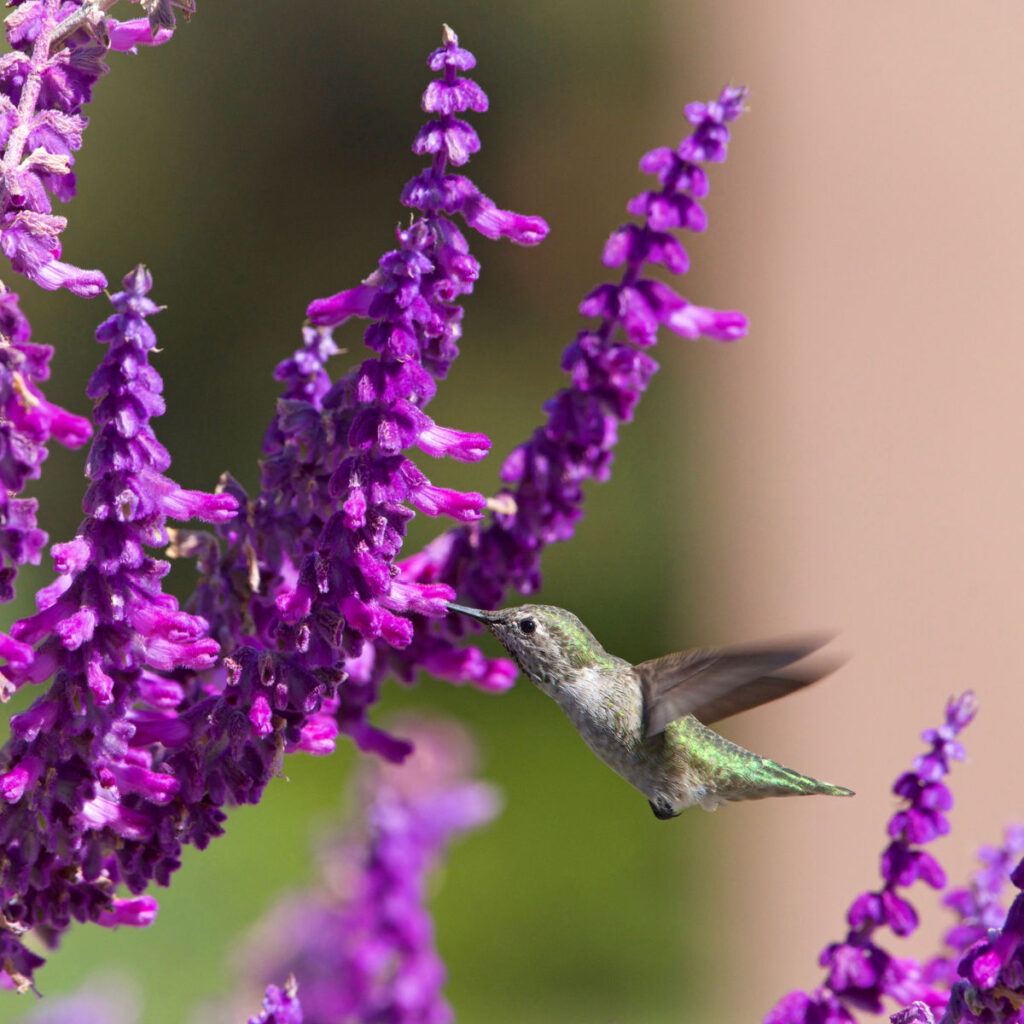
Because they’re so bold, you don’t need many. Just a few well-placed spikes will lift the entire design.
💡 Garden tip:
Too many spiky plants can make a garden feel busy. A little goes a long way.
Why This Method Works So Well
The beauty of the 40–40–20 rule is that it:
- Works in small or large gardens
- Fits cottage, formal, or relaxed styles
- Helps prevent overbuying plants
- Makes beds look finished, not chaotic
It’s also incredibly forgiving. You don’t have to measure or be exact — just aim for balance.
A Simple Example Garden
Here’s what this might look like in a real garden bed:
- Fan-shaped: Iris and ornamental grass
- Mounding: Lavender and catmint
- Spiked: Foxglove or delphinium
That combination alone gives you:
✔ Movement
✔ Structure
✔ Softness
✔ Height
✔ Season-long interest
And it works beautifully in cottage gardens, cutting gardens, or even a small backyard border.
Final Thoughts from the Garden
If there’s one thing I’ve learned over the years, it’s this:
🌿 A beautiful garden isn’t about having more plants — it’s about choosing the right shapes.
Once you start designing with the trifecta in mind, everything becomes easier. You’ll shop smarter, plant with confidence, and end up with a garden that feels peaceful instead of overwhelming.
And honestly? That’s what gardening should be.
easy garden tips
How to Put the “Gardening” Back in Gardening!
Happy Garden Designing!
Hi, I’m Pamela
With 45 years of hands-on gardening experience, I love sharing practical tips, proven techniques, and inspiration drawn from my own gardens. My goal is to nurture your confidence, spark your passion, and help make every step of your gardening journey more enjoyable.


I do not have acreage, just a suburban lot which is about 75 feet by 100 feet with my house and garage taking up part of that space. I am so glad you are starting seeds and we all learn best by doing so don’t get discouraged. I did do a video where I walked around my house for perspective but maybe I need to do another. I would love to get a drone to do an overhead shot but have yet to invest in that. Thank you for watching my videos!
Hi from DeMotte Indiana.
Just wondering how many acres you are gardening on. Perhaps one day u could tell us the history of your residence. It appears to be on a corner and at times, looks quite hilly. Its always fun to see what u had to work with in the beginning.
I enjoy your videos. i started to plant from seeds a couple of years ago. I’m not very good at it but i keep trying.All info is appreciated.