Growing Gorgeous Foxgloves: A Beginner’s Guide
Learn how to grow foxgloves flowers in your cottage garden—a whimsical, fairy-tale flower that brings enchanting charm to your beds and borders in the spring.
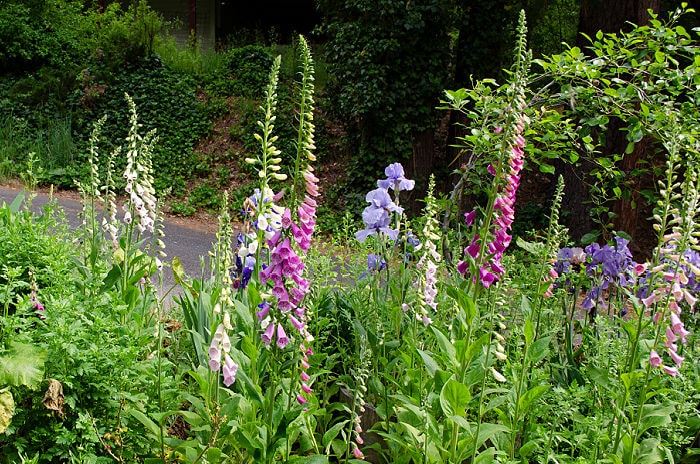
If you’re looking for a unique flower to elevate your garden, foxgloves are a must-have. Their tall spikes, delicate blooms, and effortless elegance make them a standout choice. In this guide, you’ll learn everything from planting and care to tips for enjoying their beauty year after year.
This post contains affiliate links. If you make a purchase after clicking a link I may make a small commission at no cost to you.
Why Grow Foxgloves?
Foxgloves are iconic in cottage gardens, offering height, color, and charm. These biennial plants grow in their first year, bloom the next, and then self-seed, ensuring their legacy in your garden. With some varieties reaching up to five feet tall, foxgloves can become the centerpiece of your beds and borders.
Some foxglove hybrids will bloom the first year and others are true perennials. For me not only their fairytale look but their tendency to return each year with no effort on my part makes them a true easy-to-grow winner in my garden. Plant once and get free flowers for life!
How to Plant Foxgloves
Foxgloves thrive in well-draining, fertile soil rich in organic matter. Here’s how to get started:
Choose a spot with partial to full sun. In hot climates, provide afternoon shade. Shelter plants from strong winds for optimal growth.
From Seed:
Indoor Sowing: Start seeds indoors in late winter. Sow them on the soil surface, as light aids germination. Transplant outdoors in spring.
Direct Sowing: Scatter seeds directly into the garden bed in late summer or fall. You can thin seedlings as needed or not. Many times mine come up in areas I can’t get to easily and they grow just fine with no interference from me.
I must note that we live in a more arid climate and not humid, so go with what works in your local environment.
want to know more?
Different ways to plant foxglove from seed!
From Plants:
Purchase young plants or seedlings for quicker blooms. Plant in prepared garden soil per instructions on the plant tag. If plants are from seeds you have sown note directions for planting on the seed packet. Good spacing can help with healthy growth and disease or pest resistance.
Grow Foxgloves Location:
Choose a spot with partial to full sun. In hot climates, provide afternoon shade. Shelter plants from strong winds for optimal growth.
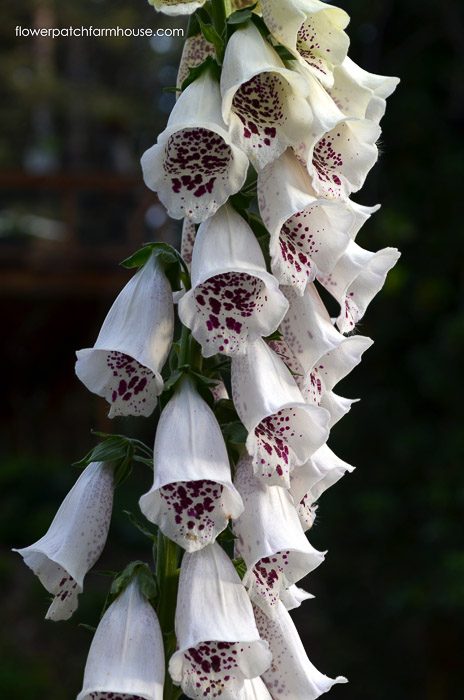
Growing and Caring for Foxgloves
Foxglove care is minimal but they benefit from a few thoughtful practices:
- Watering: Keep soil consistently moist but not waterlogged. Well draining soil is key.
- Fertilizing: Use compost or well rotted manure once a year. Focus on building your soil health organically for long-term success!
- Mulching: Add organic mulch to retain moisture and suppress weeds or incorporate low-growing ground covers to act as mulch.
Replace Mulch with Low Cost Ground Covers
Additional Tips:
- Stake taller foxglove plant varieties in windy areas.
- Deadhead spent blooms to prolong flowering or allow them to self-seed for a naturalized look.
Foxglove Plant Varieties to Explore
Foxgloves come in a range of heights, colors, and bloom times. Popular options include:
- Foxy Mix: A hybrid that blooms in its first year, reaching about three feet tall.
- Heirloom Varieties: Like the stately Excelsior series, which grow taller and bloom in their second year.
- Camelot Mix: Tall sturdy flower stalks that bloom the first year.
- Perennial Types: Polka Dot series or hybrids that bloom year after year without setting seed.
Aftercare: What to Do When Blooms Fade
- Biennials: After setting seed, biennials will naturally die off. Allow seeds to scatter or collect them for future planting.
- Perennials: Cut back flower stalks in autumn to prepare for the next growing season.
Are Foxgloves Safe?
Yes, but like many garden plants, foxglove leaves and seeds are toxic if ingested. Exercise caution when planting in areas accessible to children or pets. Because of their toxicity, foxgloves are deer- and rabbit-resistant, making them ideal for wildlife-prone gardens.
RELATED: IS YOUR FLOWER GARDEN DANGEROUS?
Can you buy Foxgloves at garden centers?
Yes, but most Foxgloves you buy at garden centers are a hybrid called Foxy mix, which is produced to bloom the first year from seed.
Foxy foxgloves get only about 3 feet tall, they behave more like an annual. So if you are looking for the statuesque beauties seen in Tasha Tudor’s garden then they are not it. But they are beautiful in their own right.
Growing foxgloves from seed open up many more options. There are plenty of new Foxglove hybrids available with different attributes.
Swallowtail seeds carry quite a few different ones. I have grown Pam’s Choice (I don’t see this one in their catalog this year but Pantaloons is a sport of it).
And Strawberry, a beautiful pink Foxglove (this one stays short and is extra fuzzy)
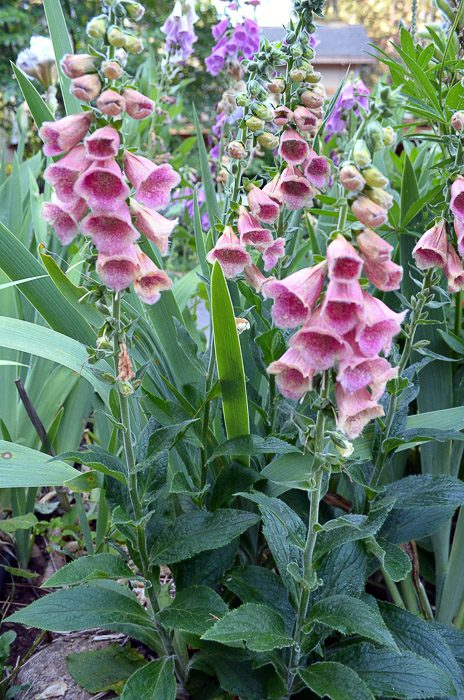
Perennial foxgloves?
While the original wildflower is a biennial, many of its recent descendants are perennials, making it easier than ever to have elegant Foxglove blooms in the garden, year after year.
They have a new type of perennial Foxgloves called the PolkaDot series that hold their blooms longer so you have more time to enjoy them in the garden as they don’t set seed.
Some sports of tried and true heirlooms don’t thrive as well as the oldie but goodies so I always have a few of the heirlooms to keep my garden full of what I love.
(I still have them mostly because they just don’t quit, a quality that keeps cottage gardens lush and full)
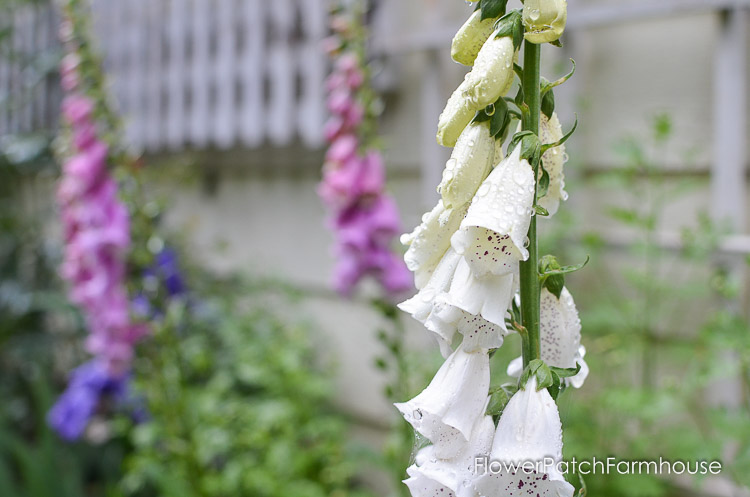
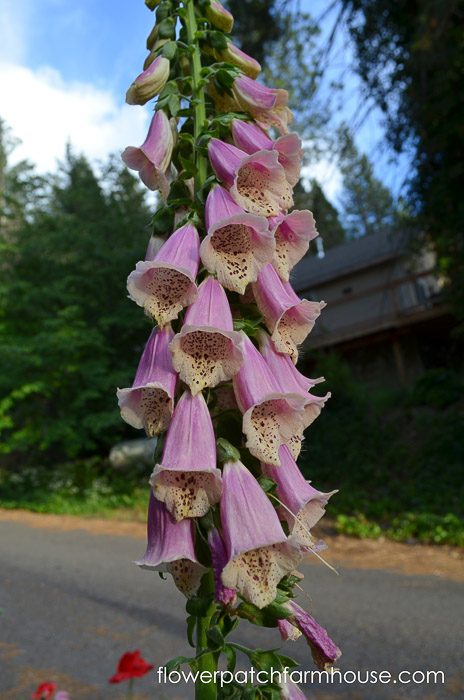
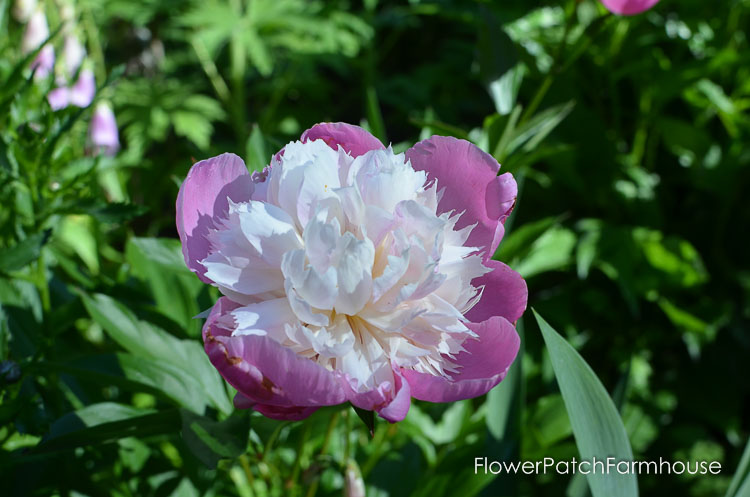
This one below was a special surprise this past season, pink on the outside and a creamy yellow with burgundy spots on the inside.
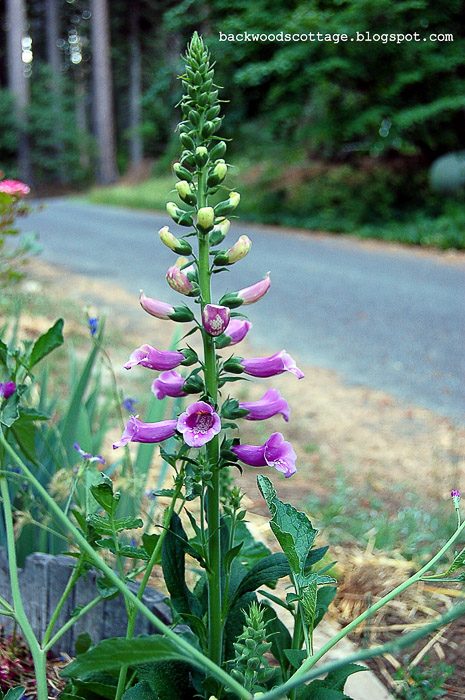
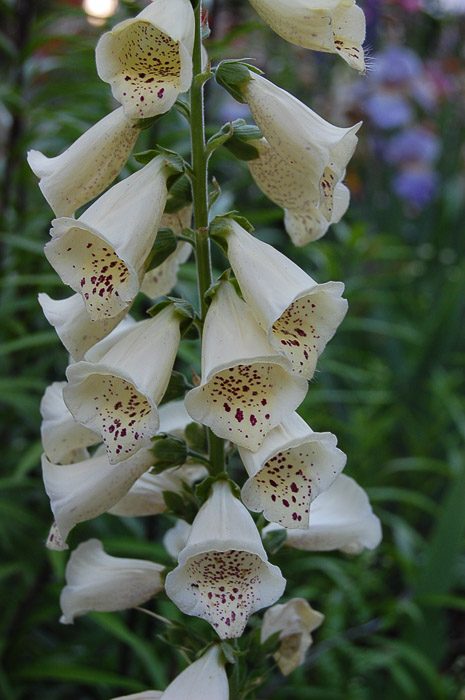
A creamy-colored one.
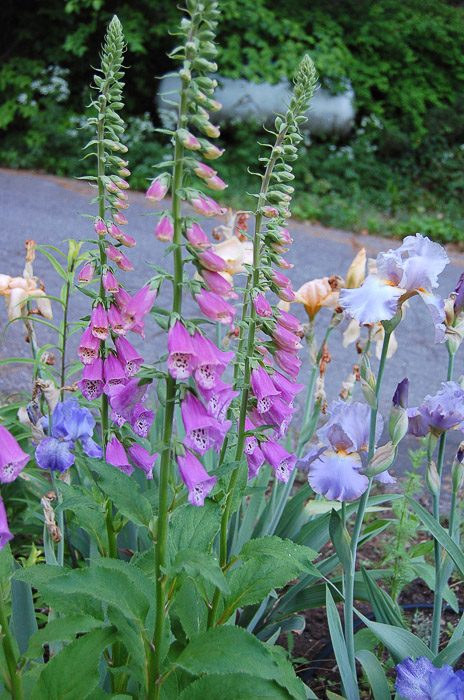
In some seasons I have many more come up than others, it could be weather conditions (we have been in a drought for 3 or 4 years now), or just their cycle.
Why Grow Foxgloves?
Whether you opt for heirloom varieties or modern hybrids, foxgloves will add an elegant touch to your cottage garden. Their self-seeding habit and vibrant blooms ensure they remain a beloved feature year after year.
Happy Gardening.
More Growing Info I know you will love!
Love this, then Please PIN
Absolutely gorgeous. Going to try out foxgloves for the first time this fall. Can you recommend a couple of tall varieties that are perennials and will reseed please.
Being a poisonous plant is an excellent show of tenacity to exist. Plants cannot run or defend themselves by displaying force. They must more passive means of protecting their biology. Existence is established and maintained by boundaries and the ceasing of boundaries marks the dissolution of form.
Coffee, contains caffeine which is a poison to chewing insects but also attracts bees to the flower from the nectar. Even citrus trees contain some caffeine in the nectar of flowers.
Chilies produce capsaicin as a defense mechanism for fungal pathogens.
I have the best success seeding them directly in the ground in the late Summer and Fall. Do a test patch and seed half of the seeds you have in Fall then seed the rest in early Spring and see which works best for you.
Hello! Your flowers are so beautiful! I want to plant foxgloves but I’m really confused if I should sow them directly in the ground (Fall or summer?) or start them inside. I live in zone 6a in New Hampshire by the coast if that matters. There’s a lot of conflicting information online and I want to make sure I do it correctly to get the best results. Thank you!!
Hi, thanks for this post, pin or whatever. I love foxgloves and Lily of the valley along with many many other plants. I have 2 boys and teach them all about plants along with other things in the world. That’s what OUR job as parents are. I think a lot of people just depend on someone else to educate their kids and then blame anyone when something happens. Like you said their are dangerous things all around us. But a lot of the deadly things we use for positive things foxgloves are used to make life saving heart medicine. Some snake venom is used for medication as well. Everything is balanced when used responsibly. Thanks again for your post about foxgloves here and other poisonous plants.
We here in Minnesota have clay in our soil too, so that’s probably why I have trouble growing foxgloves, etc. We are zone 3 and really close to zone 2, so that’s an issue too. I do love what I can grow!! Pamela, thanks for all your tips!!
Foxglove here is a real PIA since we have a few hundred acres of pasture. Pulling the stuff gets some of them, but we have to pull the rootballs and burn them or they will roll over and replant themselves.
We tried field burning, that seems to activate the seeds.
Roundup sadly kills everything, we want to save the grass for grazing. So, it’s 2-4D.
They really ARE easy to grow, the hard part is stopping the things.
They do like the cool winters, maybe try one that is bred for warmer climes. I am assuming your part of Georgia is warmer than my mountain area but I am not sure.
I love foxgloves so hard to grow for me maybe our soil here in Georgia or they just do not like me!! LOL!! But I am determined to continue to try God bless and thank you
Most of the time I make my own but the garden centers carry compost in bags. I also get some from a local winery that has been made at a local organic turkey farm. It is pricier but it is so wonderful! When I lived in the San Joaquin valley the local dump had an area that they composted yard waste and sold the compost. I have heard pros and cons on that but it worked for me. There is yard waste disposal places here too and I have gotten some from them but they are a small mom and pop operation and sometimes I can’t get through to them.
i love your garden and the ease at which so many of your seeds grow. I think I will try once again to enrich the soil. Since you use chicken manure I will try some of that if I can find some. Years ago we picked up a load of compost from a farm and it worked pretty well. Any suggestions on what kind of compost to use? They sell so many different kinds by the bag. I also tried your method of putting scraps in the blender but havent done it in months.
Thanks for chiming in here on the Foxgloves. I have only grown the ones from seed so I did not know that about the nursery plants. Good to know.
Don’t give up. I planted those beautiful plants from garden centers for years before I found out that they are poor selections unless you want to treat them as annuals. There years ago I planted seeds and they are doing fine.
You should try the yellow foxglove. They come up year after year for me. I don’t think they are “fussy” like the ones in this article.
If you have an area all ready for them go ahead and seed them now. You will get plants but they won’t bloom until next Spring and Summer. Mine reseed themselves in late summer, when they are done blooming and have gone to seed. If I want a new area seeded I cut off the seed pod filled stock and gently carry it to the new location and shake the seeds out into the new area. If you want to start them indoors you can do so now. Once they are about 3 inches tall and look good and strong you can plant them out in the garden. Keep the seedlings shaded if at all possible, they won’t do well in hot sun when getting started. I hope this helps, just let me know if you need any other help.
Hi there, wow – your flowers are so beautiful. I’m actually ready to try my luck with planting these around our home and a little scared I may mess something up. I have been looking all over trying to figure out when to start the seedlings and when to actually plant them outside. What have you done in the past? Thank you, Rose
I think they are worth the effort. I wish you success in growing foxgloves!
I miss the foxgloves that grew on our acreage! Now we are in a townhouse with a small garden. Maybe I will try growing one of the shorter varieties here. Thanks for the inspiration! I found you on Shabblicious.
They do like a nice loose soil so the clay could be your issue. They like plenty of water but not sitting in it for long so well draining soil is a must. You climate can play a part as well. We enjoy a mild climate year round. We get snow and cold in winter but not to the extreme, summers are not overly hot and we cool down at night even then. We don’t typically get rain in summer so irrigating is a must. I wish you success with your foxgloves.
I love Foxglove! Yours are beautiful!
Every year I plant some and often nothing happens….now I’ve heard that they are not so happy with clay soil, and although I do amend and feed and water….they are a puny…and disappointing.
I do have a couple that are successful though and will keep up the care…maybe next year there will be more. I envy that you can use seed so freely…..
Nancy
wildoakdesigns.blogspot.com
Foxgloves are my all time and forever perennials. I will order what you suggested for the village gardens and I can’t wait to see if they make it. I love this post with its gorgeous photographs and information that is right on for my interests!
It is so true that area can play a big part. When I lived in the San Joaquin valley I could not grow (successfully) many of the flowers I love to grow here. But the reverse is true, I could grow so many things there that I can’t here. Though I have found that growing the old varieties can work when many of the hybrids won’t. Great plan to have your soil tested. It will probably reveal so much and help to improve your already green thumb.
I can’t grow foxglove to save my life. Maybe it just doesn’t like our soil but I have failed miserably at it. I am having my soil tested this year so that may give me a clue as to why they don’t like it.