Dangerous Flowers in Your Garden
Many common and beloved garden flowers can be dangerous. I grow most of them and have had no issues, but information is power.
It seems that most folks are unaware of the dangers that exist in the common flower garden. Learn which popular flowers can be poisonous to humans and pets.
I recently published a post on growing foxgloves. While their toxicity is widely recognized, many gardeners don’t realize that a number of other commonly grown flowers are equally toxic.
A couple of years back, the news media did a sensationalized report on people complaining that big box stores did not have warning labels on the Foxglove plants and since then foxgloves have been massively demonized.
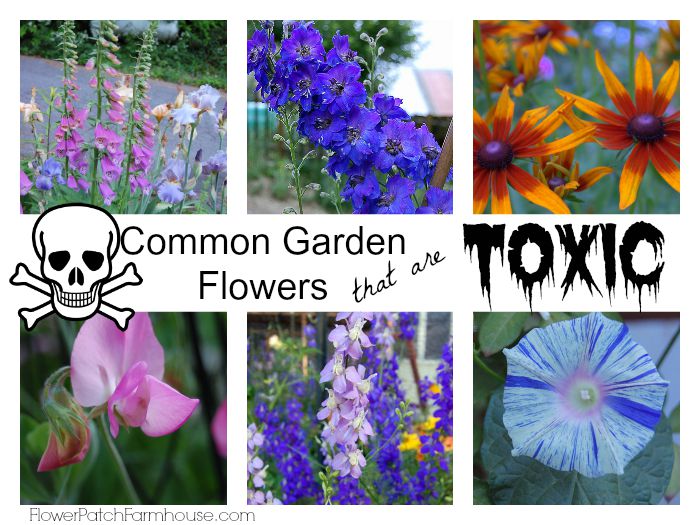
Why write about Poisonous Flowers?
My case in point….. I can do all sorts of posts on growing Delphiniums, Morning Glories, Sweet Peas, or Black-Eyed Susans, and not one person will jump in and comment on how poisonous they are.
Then I write a post on Foxgloves and all sorts of well-intentioned folks will be quick to comment on the toxicity.
That alone shows how easy it is to bring plants home without realizing that some common garden and houseplants can be potentially dangerous.
That being said, I will want to include that I have raised 4 kids and numerous pets with not one case of poisoning by plant. I grew every single one of these plants in my garden along with a few more that are toxic during that time.
No one seemed to want to run out to the flower garden and make themselves a salad from them because most of these plants taste horrible. (it is also why many are deer resistant)
To give it perspective, kids are 300 times more likely to be poisoned by common household items like laundry detergent, cosmetics, and cleaning supplies than plants in or outside of the home.
300 times! That is no small statistic.
So I want this to be a balanced approach and the message here is:
“Caution and education are always good in making informed choices but let’s not blow things out of proportion.”
I am going to list some of the poisonous flowers that I actually grow now, but the list of common poisonous plants is extensive.
When you research it, I would recommend using verifiable sources and not just any website or a sensational post on how someone has an allergic reaction to a plant.
This list includes flowers that all or part is toxic to humans and animals if EATEN.
Most of them you would have to eat quite a bit to be lethal, but even a little can make you sick. (Be especially careful with puppies who will chew on things most adult dogs would turn their nose up at)
10 Poisonous Flowers I Grow
1. Foxgloves
I guess that is a given and I don’t need to list it but I will anyway.
Foxgloves contain toxic cardiac glycosides. Eating any part of the plant can result in poisoning. Symptoms include nausea, headache, skin irritation, and diarrhea. This toxicity can be severe if enough is eaten.

Foxgloves have also widely been used in folk medicine, and in conventional medicine, their cardiac glycosides have been used to make a heart stimulant drug.
Related: How to Grow Foxgloves
Risk Level: 🔴 HIGH
- Entire plant is toxic
- Affects heart rhythm
- Dangerous to humans, pets, and livestock
- Even dried leaves remain toxic
2. Black Eyed Susans or Rudbeckia
Risk Level: 🟡 LOW
Black-eyed Susans are cheerful, dependable garden staples and are generally considered low risk, but they’re not completely without potential issues.

- Potentially irritating parts: Leaves, stems, sap
- Primary concern: Mild toxicity if ingested in quantity
- Possible effects:
- Mild stomach upset if eaten
- Skin irritation in sensitive individuals
- Drooling or mild gastrointestinal discomfort in pets
Why gardeners don’t think about risk:
- Widely recommended as a pollinator-friendly, easy plant
- Common in family and wildlife gardens
- Problems are uncommon and usually mild
For most gardeners, Black-eyed Susans can be grown safely with little concern. Issues are rare and typically occur only with:
- Handling by those with sensitive skin
- Repeated ingestion by pets
Related: How to Grow Black Eyed Susans
Black-eyed Susans are a good example of a plant that may be technically toxic, but not truly dangerous in everyday garden use.
This is exactly why risk levels matter — not all “toxic” plants belong in the same category.
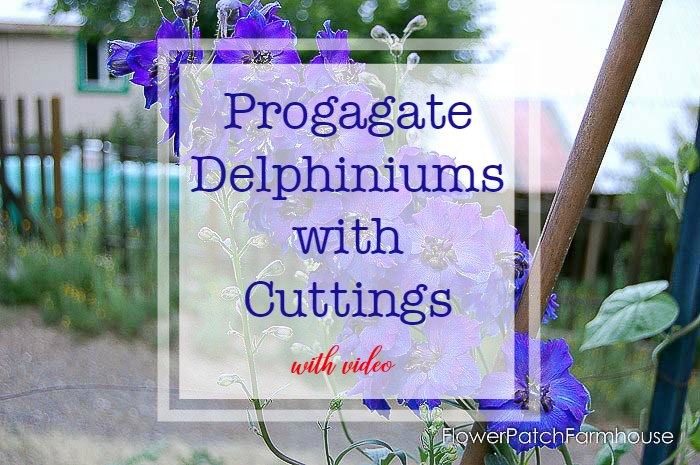
3. Delphiniums & Larkspur (same family)
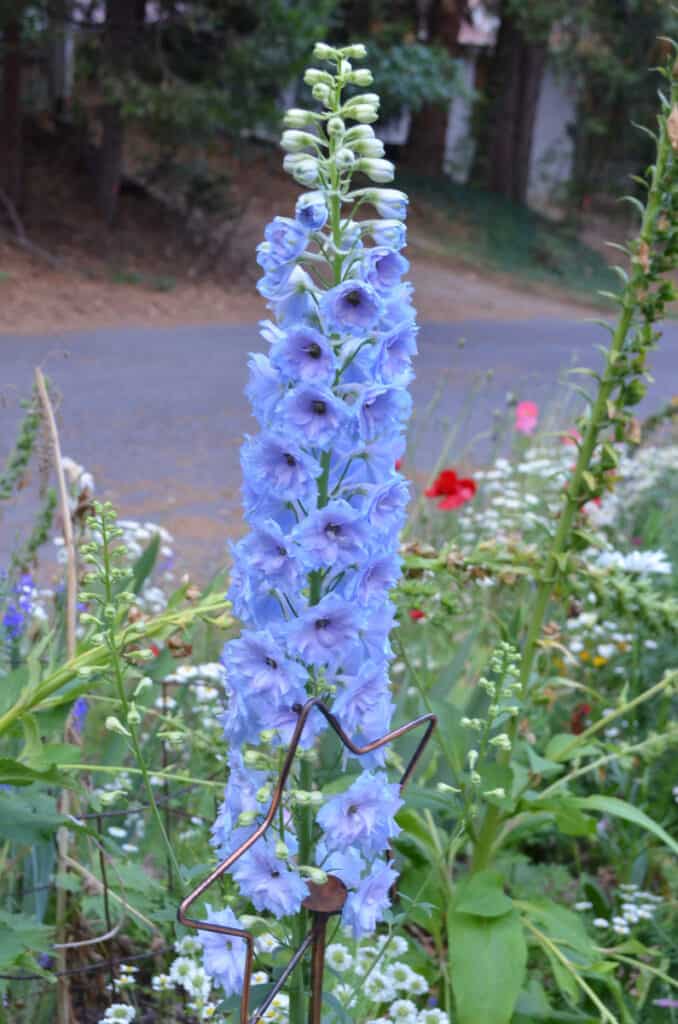
Delphiniums are classic cottage-garden plants with tall, dramatic flower spikes — and they are one of the more toxic ornamentals commonly grown.
Risk Level: 🔴 HIGH
- Most toxic parts: Seeds, young plants, leaves
- Primary toxins: Diterpene alkaloids
- Possible effects:
- Nausea and vomiting
- Muscle weakness
- Nervous system disruption
- Heart rhythm issues in severe cases
Why gardeners don’t realize the risk:
- Often grown for vertical interest in family gardens
- Toxicity is less discussed than foxglove or oleander
- Seeds are small and easily overlooked
Delphiniums are especially dangerous to pets and livestock, but ingestion can also affect humans. Delphinium and larkspur seeds and plants are very poisonous to both humans and animals and, if ingested, can lead to severe illness, paralysis, and even death.
Interesting fact: Despite their unsavory qualities, delphiniums were once used to improve asthma.
Related: How to Grow Delphiniums
4. Morning Glory
Risk Level: 🟠 MODERATE
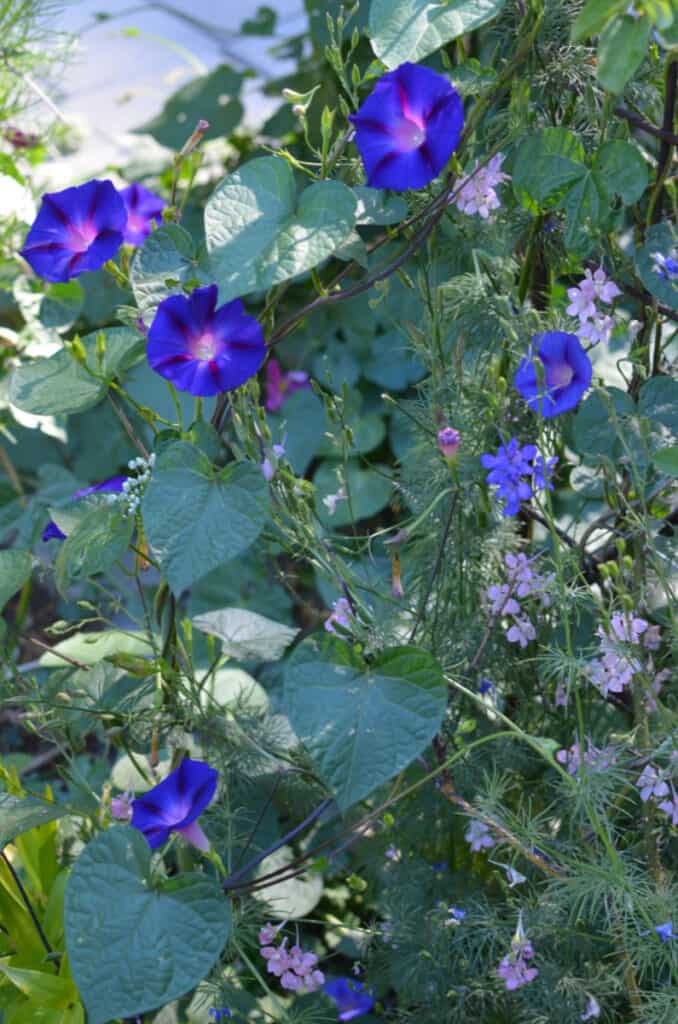
Morning glories are fast-growing, cheerful vines that are often grown for quick coverage and bright color — but the seeds are toxic if ingested.
- Most toxic parts: Seeds
- Primary toxins: Lysergic acid–related compounds and alkaloids
- Possible effects:
- Nausea and vomiting
- Diarrhea
- Confusion or agitation
- Neurological symptoms with large ingestion
Why gardeners don’t realize the risk:
- Frequently planted in children’s gardens
- Self-seeding habits leave seeds easily accessible
- Flowers look harmless and cheerful
Morning glories are toxic to humans, pets, and livestock if seeds are eaten. Casual contact with vines and flowers is not dangerous — the concern is ingestion.
Related: How to Grow Morning Glories
5. Sweet Pea
Risk Level: 🟠 MODERATE
- Seeds and pods are toxic if ingested
- Can cause gastrointestinal and neurological symptoms
- Often confused with edible peas
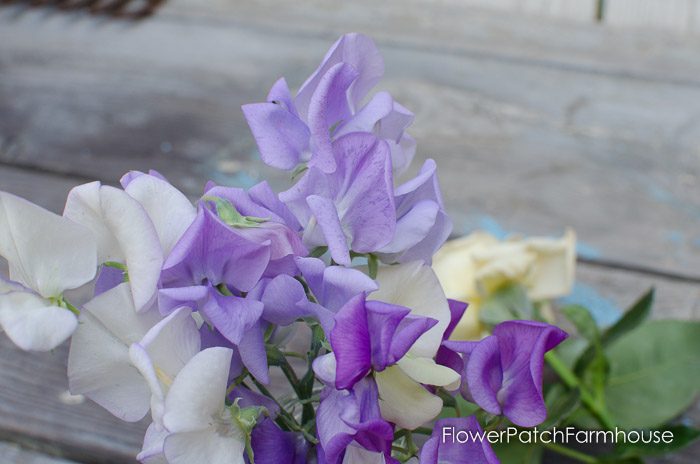
The seeds of sweet peas are the toxic part of the plant. They contain naturally occurring amino acids called lathyrogens. If these seeds are eaten repeatedly and in large quantities over time, they can cause a condition known as lathyrism. This is not an immediate poisoning—problems typically develop only after weeks or even months of continuous ingestion.
Related: Sweet Peas
6. Lilies (True Lilies & Daylilies)
Risk Level: 🔴 HIGH (for cats)
Risk Level: 🟡 LOW (for humans & dogs)
- Extremely toxic to cats — even pollen or vase water
- Can cause acute kidney failure in cats
- Often brought indoors as cut flowers
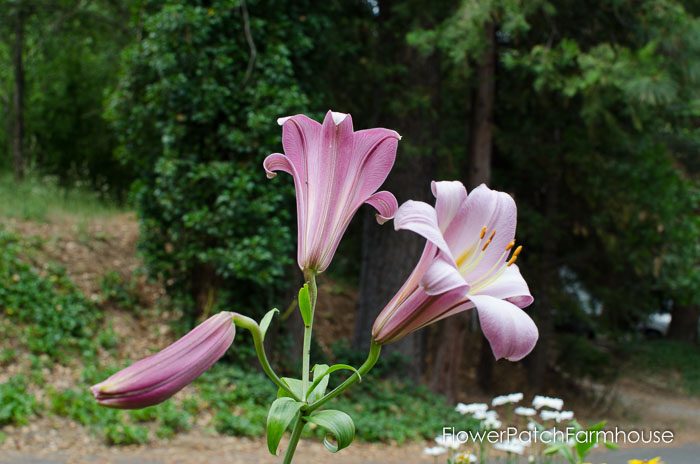
With the Lily all parts, the flowers, fruit, and leaves, are considered poisonous. The sap contained inside the leaves and stems can be a skin irritant.
This sap may cause burning on your skin, or blistering on your mouth and esophagus if you chew and swallow the leaves.
The pollen is the most dangerous to cats. Even a small amount can cause kidney failure. Cut off the stamens that hold the pollen before it begins to become powdery. See the yellow tips on the stamens in the photo above? Cut that all off and dispose of it safely.
If you’re given a bouquet that includes lilies, they’re often still closed when you receive them. As the flowers open, remove the stamens for safety, and be sure to keep pets away from the vase — even drinking the water can be dangerous.
7. Rhododendrons
Risk Level: 🔴 HIGH
- Leaves, flowers, and nectar are toxic
- Causes serious cardiac and neurological symptoms
- Evergreen foliage creates year-round risk
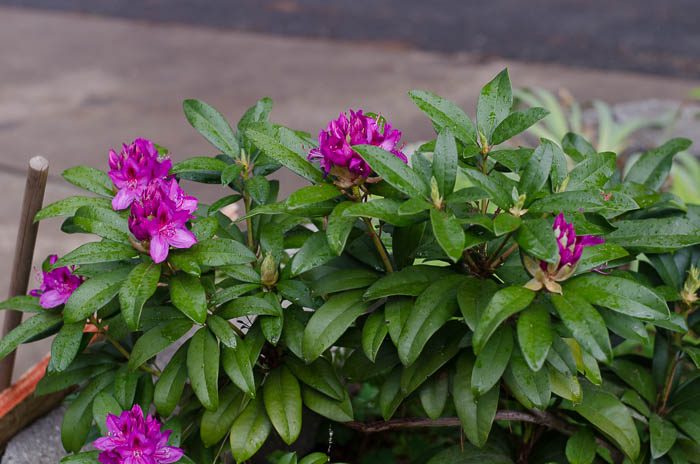
These two are often underestimated because they are so common in residential landscapes.
- Toxic parts: Leaves, flowers, nectar, stems
- Toxin: Grayanotoxins
- Effects:
- Vomiting and drooling
- Weakness and loss of coordination
- Dangerous heart rhythm disturbances
- Seizures and coma in severe cases
Why gardeners don’t realize the risk:
- Frequently planted as foundation shrubs
- Evergreen foliage means year-round exposure
- Toxicity remains even when leaves are wilted or dried
- Pets may chew them out of boredom, especially in winter
These shrubs are highly toxic to dogs, cats, horses, goats, and humans.
8. Daffodil
Risk Level: 🟠 MODERATE
Cheerful spring color hides a surprisingly toxic bulb.
- Bulbs are the most dangerous part
- Causes vomiting, diarrhea, and heart issues if eaten
- A common cause of dog poisonings
Bulbs are especially risky during the fall planting season.
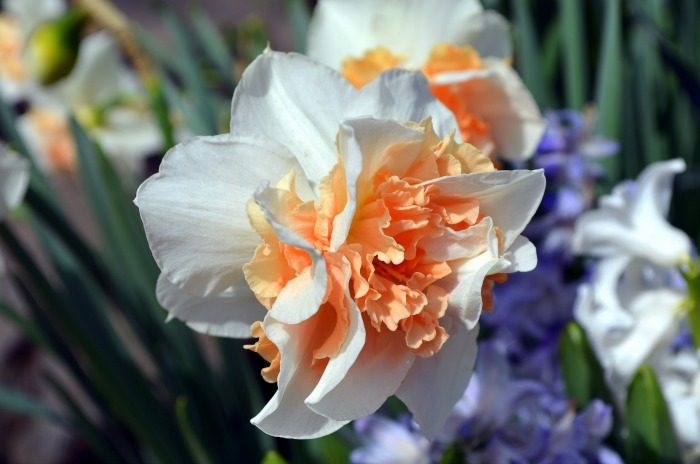
The bulb is what is most poisonous that is why gophers and voles avoid eating them.
9. Oleander
Risk Level: 🔴 HIGH
A popular ornamental in warmer climates — and one of the deadliest garden plants.
- All parts are toxic, even smoke from burning
- Extremely potent heart toxins
- Fatalities have occurred from small amounts
Never compost or burn this plant.
10. Wisteria
Wisteria seed pods and seeds are considered the most toxic parts of the plant, but all parts contain the harmful chemicals lectin and wisterin, which can cause a burning sensation in the mouth, abdominal pain, vomiting, and diarrhea if eaten.
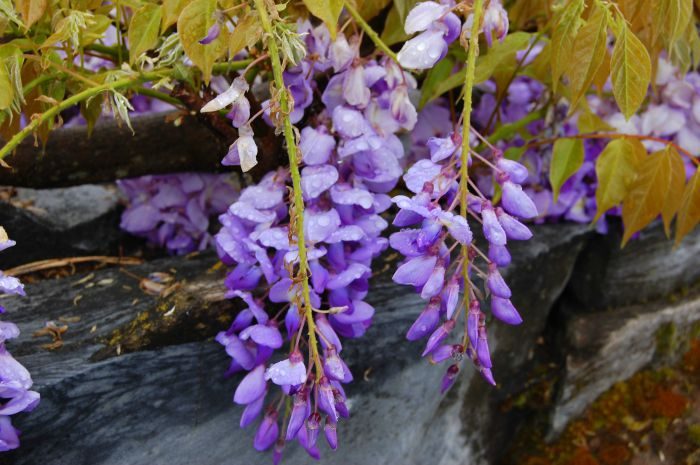
Although no deaths have been reported, it is good to keep in mind that if you have wisteria, you might want to cut it back before it goes to seed.
11. Hellebore (Lenten Rose)
Historically called the “poisonous rose”
Risk Level: 🟠 MODERATE
- Roots and leaves contain cardiac toxins
- Skin irritation possible
- Risk increases with ingestion or repeated exposure
A winter-blooming favorite that deserves respect. Gloves are recommended when handling or dividing.
Other class 1 toxic plants common in everyday gardens:
- Hydrangea
- Lobelia
- Lupine
- Tomato (the leaves and stems)
- Angels Trumpet (Datura)
- Euphorbia (includes Poinsettia)
- Marigolds
- Daphne
- Yew (both Japanese and English)
- Pampas Grass
- Potato Plants (green parts)
And though this may seem foolish to say I must add a disclaimer “DO NOT EAT ANY PART OF THE ABOVE LISTED PLANTS”!
This all may sound rather scary but in reality, with most of these plants, we would have to consume a measurable quantity to be in danger. And most taste terrible so why would we?
Always educate yourself about what you bring into your home and garden if you have children or pets that may be tempted to nibble on it.
Since so many things have a possibility of causing an issue then good supervision while they may be in the garden is recommended.
Happy Safe Gardening!
Hi, I’m Pamela
With 45 years of hands-on gardening experience, I love sharing practical tips, proven techniques, and inspiration drawn from my own gardens. My goal is to nurture your confidence, spark your passion, and help make every step of your gardening journey more enjoyable.


You are quite welcome!
Thank you for all this info!!
Thank you, I could not find Mountain Glory but Cleome I have grown and was not aware that some are toxic. Yes, education and respect are essential.
Hi Pamela, this information is important and not talked about enough. Mountain glory and Chleome can be added to that list too. As a flower farmer, I think we should be aware of the dangers and also selling those flowers to others. I farm with my 8yr old daughter, and many of the plants we love are poisonous. To educate and have respect for Mother Nature is important, so one is able to enjoy all the beauty she brings! Thank You, Stephanie Benjamin of Massachusetts
Thank you for this. One thing to emphasize is all kinds of lilies can be life threatening to cats, even the pollen.
There are some houseplants that are poisonous also. I learned this when my ex was volunteering with the fire department.
Pamela, this is a wonderful article. I learned a lot and I have been gardening for years. Thanks for all the beautiful work you put into all your web pages. It really is like talking with a good friend. cathy
Very enlightening!
Most herbs are from poison plants…and so over the years many folks have
argued the idea of ingesting the toxins. If only the subject was evaluated in
a logical approach, one would realize how many of the current meds issued by
the medical society are chemically copied from the original source. Interesting how that is not argued. In the many cases of those that ingest on a daily basis the
meds issued out, we find the damages to the already compromised areas to be even more dangerous within the inner human system. So we have a surmounting problem of addiction and or death. Use sound judgement, diligent research and study.
Good to know! Thanks!
Bummer about having to take the wisteria down. I guess you have too much of it to just dead head to prevent the seeds from forming. That would work if it was doable.
We have beautiful Wisteria vines growing on a Gazebo that has finally bloomed after watching and waiting for over three years. I was really excited to see there’s these great big seed pods hanging from it now????? Hence, poisonous seed pods!!!!! Oh NOOOOO!!!! We just starting letting our two shetland sheepdogs out into that part of the yard as well. Looks like I need to spend some time taking those down as one of my dogs (Gibson) spends his entire time roaming the new area finding things to munch on. He ate wild mushrooms the other day and spent part of the evening giving it back to us…yuck. Yes, he’s okay. The mushrooms are all picked up and gone now too.
Better safe than sorry and it is the seeds that are so toxic with Morning Glories but once they go to seed they are everywhere! I had no issues with any eating any of them, kids or our dogs at all, the deer here will eat the leaves and flowers but like I said, it is the seeds that are toxic.
We fenced off a portion of our yard for our dogs. They loved it, we loved just being able to open the door and letting them run free, knowing they were safe. Then we got a little dog who could climb like a monkey, yup, the infamous Jug (Jack Russell/Pug), all 12″ of her required us to go higher and higher with fencing. Can you believe we had to go 7′ high???? And still she’d climb up to the top and fling herself over if she saw us out in the yard. The fence was so unattractive I decided to plant morning glories to try to hide it. They were beautiful and had just started to do what I wanted them to do, climb and flower and hide that awful wire fence when it dawned on me – could they be poisonous? duhhhhh, yeah, I know, why didn’t I think of that in the first place??? I literally ran into the house and googled morning glories and then started screaming for my whole family to go out and start ripping them out of the ground, off the fence, making sure every single little vine was gone. I’m not a stupid person, nor am I married to one, but boy did we feel like a couple of dunderheads admiring our lovely morning glory covered fence not even thinking they could be lethal to our dogs. Thanks for your post Pamela, hope it helps others thinking of planting near their dogs, cats, kiddies.
You are so correct and Oleanders grow here too, I just don’t have them in my garden. I first learned of the toxicity of flowers back in the 80’s when a friend of mine became licensed to open a Day Care in her home. Oleanders were listed as something she would have to remove from her yard (if she had grown them which she did not have any). My children were in their toddler years then and I was intrigued so I educated myself on what was potentially toxic etc. I grew many of these listed anyways as I found the odds of my children eating them were less than them trying to drink our shampoo or dish washing liquid. I always educated my kids as well. They would have to eat more than just a taste to come to harm and the taste is so nasty I did not fret it. But as I said in my post, educating oneself to make choices is important. 🙂
If you were to look up all potentially toxic flowers and plants you wouldn’t plant anything. All of these favorites have been used in garden for centuries and the reality is the likelihood of poisoning from them is low, most people even kids or animals don’t eat them. The leaf texture of many is so offensive as well as the taste is horrible you would have to forcibly ingest it for some stupid reason. Kids won’t even eat veggies that taste good half the time. 🙂 Animals are smart too and typically avoid them. Puppies will gnaw on just about anything and bear watching.
Then, for southern gardeners, there is oleander….don’t use the wood for cooking your hot dog over the campfire, for sure…..at least that’s what i heard years ago…after I planted it in my yard. With a little tot who ate everything he could pick up, that oleander had to go……
I have many of these in my garden, I knew that foxglove and wisteria were an issue, but not daffodils, black eyed susan, morning glory or lilies. Hmmmmmmmmmm….I have a virtual chem shop in the garden! I don’t have small children, and the garden is fenced, when we had a dog we watched her closely. I guess if we get a pup we’ll have to watch her too. Thanks for the info!