How to Grow Coreopsis: An Easy, Cheerful Flower for Every Garden
If you love plants that bloom their hearts out without demanding much in return, coreopsis might just be your perfect garden companion.
Often called tickseed, coreopsis is one of those happy, sun-loving flowers that quietly does its job throughout the entire season. It’s cheerful, reliable, pollinator-friendly, and fits beautifully into cottage gardens, cutting gardens, and even low-maintenance landscapes.
Let’s walk through exactly how to grow coreopsis the easy way — the Flower Patch Farmhouse way — with tips that work in real gardens, not just on paper.
Why Gardeners Love Coreopsis
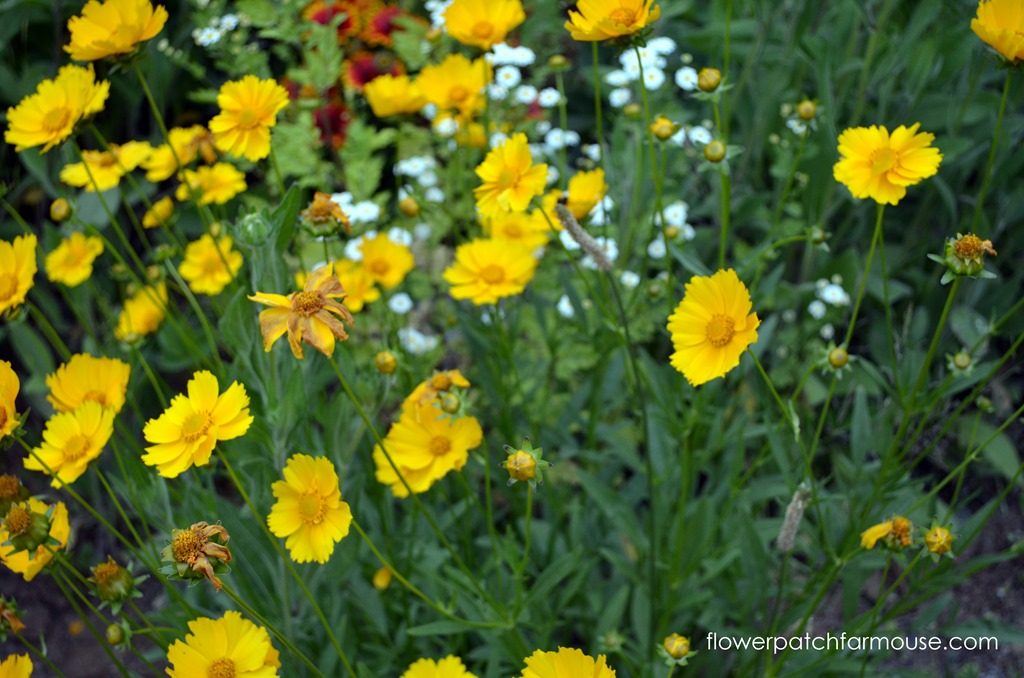
Coreopsis has a lot going for it, especially if you prefer plants that don’t need babysitting.
Here’s why it deserves a spot in your garden:
- Long blooming season (late spring through fall)
- Heat and drought-tolerant once established
- Attracts bees and butterflies
- Deer resistant
- Great for cut flowers
- Thrives in poor soil
- Comes back year after year (most varieties)
It’s the kind of plant that makes you feel like a better gardener than you really are — and I love that about it.
Types of Coreopsis to Grow
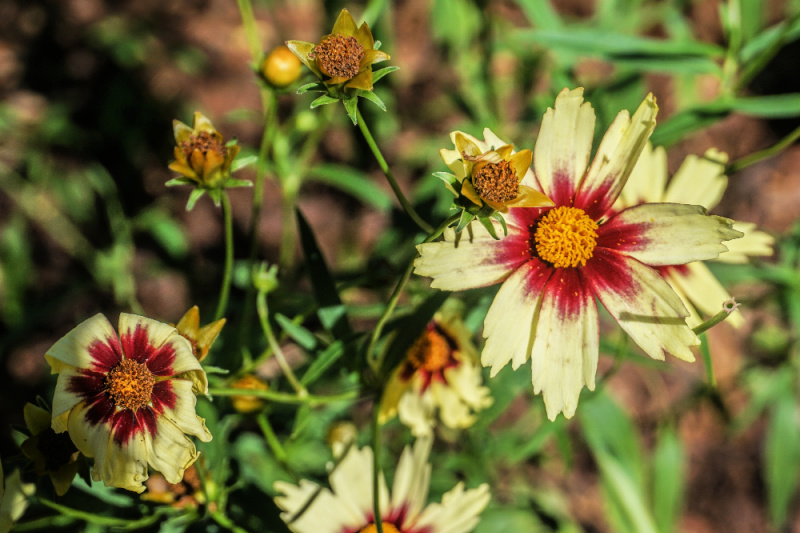
There is a wide variety, but these are some garden favorites that perform beautifully in home landscapes:
🌼 Coreopsis grandiflora
- Large, sunny yellow blooms
- Excellent for cutting gardens
- Often reseeds itself
- There is also double varieties that are easy to grow from seed – find the seeds here!
🌼 Coreopsis verticillata (Threadleaf Coreopsis)
- Fine, feathery foliage
- Airy, delicate look
- Very drought tolerant
- Usually perennial
🌼 Coreopsis lanceolata
- Native to North America
- Tough and dependable
- Great for naturalized areas
- Usually perennial spreading by rhizomes
🌼 Coreopsis tinctoria
- Annual variety
- Often bi-colored
- Excellent for wildflower gardens
- Find the Seeds Here
- Annual but reseeds readily
Where to Plant Coreopsis
Coreopsis thrives when you keep things simple.
☀️ Sunlight
- Full sun is best (6–8 hours daily)
- Tolerates light shade, but blooms best in sun
🌱 Soil
- Well-draining soil is key
- Doesn’t need rich soil — too much fertility can mean fewer flowers
- Sandy or loamy soil is ideal
If your soil is heavy clay, just amend with compost to improve drainage.
How to Plant Coreopsis
From Seed
Coreopsis is one of the easiest flowers to grow from seed.
You can:
- Direct sow in spring after frost
- Winter sow in milk jugs
- Start indoors 6–8 weeks before last frost
Lightly press seeds into the soil — don’t bury them deeply. They need light to germinate.
From Plants
Plant nursery starts:
- In spring or fall
- Space 12–18 inches apart – plant closer for immediate impact, but you will need to dig up and move some once they start to fill in.
- Water well until established
Watering & Care
Once established, coreopsis is very drought tolerant.
Watering
- Water regularly the first few weeks
- After that, only during extended dry spells
Fertilizing
- Skip heavy fertilizers
- Too much nitrogen = lush leaves, fewer blooms
- A little compost in spring is plenty
Deadheading
Deadheading helps keep blooms coming, especially early in the season.
Mid-summer tip:
✂️ Shear plants back by about one-third for a fresh flush of flowers.
Deadhead flowers for a longer bloom time!
Does Coreopsis Come Back Every Year?
Yes — most varieties are perennial, especially in USDA Zones 4–9.
Some types may self-seed readily, which I personally love. It gives the garden that relaxed, cottage-style feel.
If you want to control spreading:
- Deadhead before seeds form
- Thin seedlings in spring – you can try to transplant to fill empty spaces in the garden
18 Cottage Garden Flowers that ReSeed!
Growing Coreopsis in Containers
Coreopsis does beautifully in pots!
✔ Use a well-draining pot
✔ Choose compact varieties
✔ Water more frequently than in-ground plants
✔ Pair with trailing plants for a soft look
It’s lovely on patios, porches, and sunny decks.
Enjoy More: Perennial Cottage Garden in Containers!
Pests & Problems (Very Few!)
Another reason I adore coreopsis?
It rarely has issues.
Occasionally, you may see:
- Aphids (spray with water)
- Powdery mildew (improve airflow)
That’s about it.
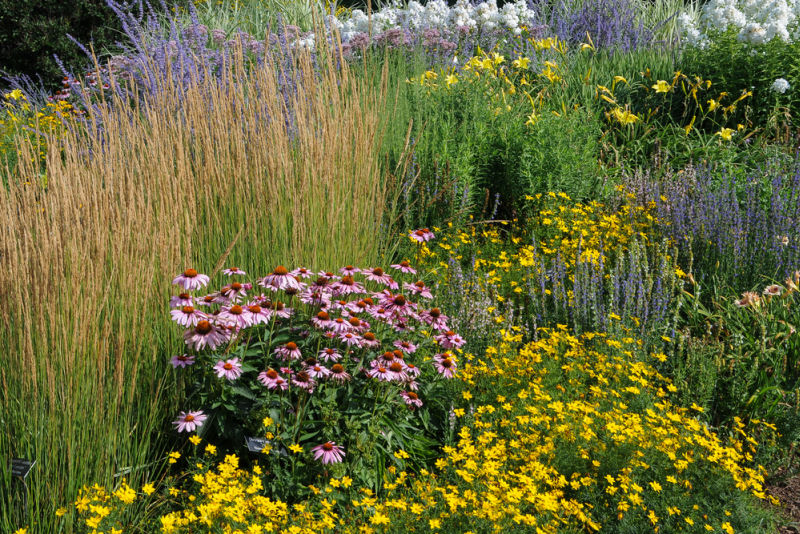
Why Coreopsis Belongs in a Cottage Garden
If you love that relaxed, timeless garden style — the kind that looks like it’s always been there — coreopsis fits right in.
It pairs beautifully with:
- Coneflowers
- Salvia
- Shasta daisies
- Yarrow
- Lavender
And it looks especially lovely woven through a mixed perennial border.
Final Thoughts: An Easy Flower That Gives So Much Back
Coreopsis is one of those plants that quietly earns its keep. It blooms generously, asks for very little, and brings life to the garden throughout the entire season.
If you’re building a garden that’s:
- Low maintenance
- Deer & Rabbit resistant
- Pollinator-friendly
- Full of color
- Easy to love
Then coreopsis deserves a spot.
And honestly? Once you grow it, you’ll wonder why you didn’t plant it sooner.
Happy Gardening!
Hi, I’m Pamela
With 45 years of hands-on gardening experience, I love sharing practical tips, proven techniques, and inspiration drawn from my own gardens. My goal is to nurture your confidence, spark your passion, and help make every step of your gardening journey more enjoyable.