15 Beginner Gardening Mistakes (and How to Avoid Them Without the Stress)
If you’ve ever stood in your garden wondering why that plant just isn’t thriving, you’re not alone. Every gardener — yes, even the seasoned ones like me — has made mistakes along the way. Gardening isn’t about perfection. It’s about learning, observing, and growing right alongside your plants.
When I first started gardening, I made nearly every mistake on this list. And honestly? That’s how I learned what actually works.
So today, let’s walk through the 15 most common beginner gardening mistakes — and how to avoid them so you can enjoy your garden more and stress less.
This post contains affiliate links. If you make a purchase after clicking a link I may make a small commission at no cost to you.
1. Planting Without Knowing the Sun Requirements
One of the easiest mistakes to make is planting first and asking questions later. Some plants need full sun, others thrive in shade, and many fall somewhere in between.
Before planting, take a few days to observe your garden:
- Morning sun or afternoon sun?
- Full sun or dappled light?
- Shade from trees or buildings?
Matching the plant to the light makes all the difference.
Suntracking Made Easy
2. Overwatering (The Most Common Mistake of All)
More plants die from too much water than too little.
It’s tempting to water daily, especially when plants look droopy. But soggy soil suffocates roots and invites disease. Most plants prefer deep, less frequent watering.
A good rule of thumb:
👉 Use a Moisture Meter to see how wet the soil is beneath the surface. It is much more helpful than poking a finger down into it.
3. Planting Too Close Together
Those little seedlings look lonely, but they won’t stay that way.
Crowded plants:
- Compete for nutrients
- Have poor airflow
- Are more prone to disease
Follow spacing guidelines — in the future, you will be grateful. Once you become more familiar with gardening and your garden’s microclimates, you can adjust the spacing but you need to know a bit more before you do.
Okay, I Break This Rule
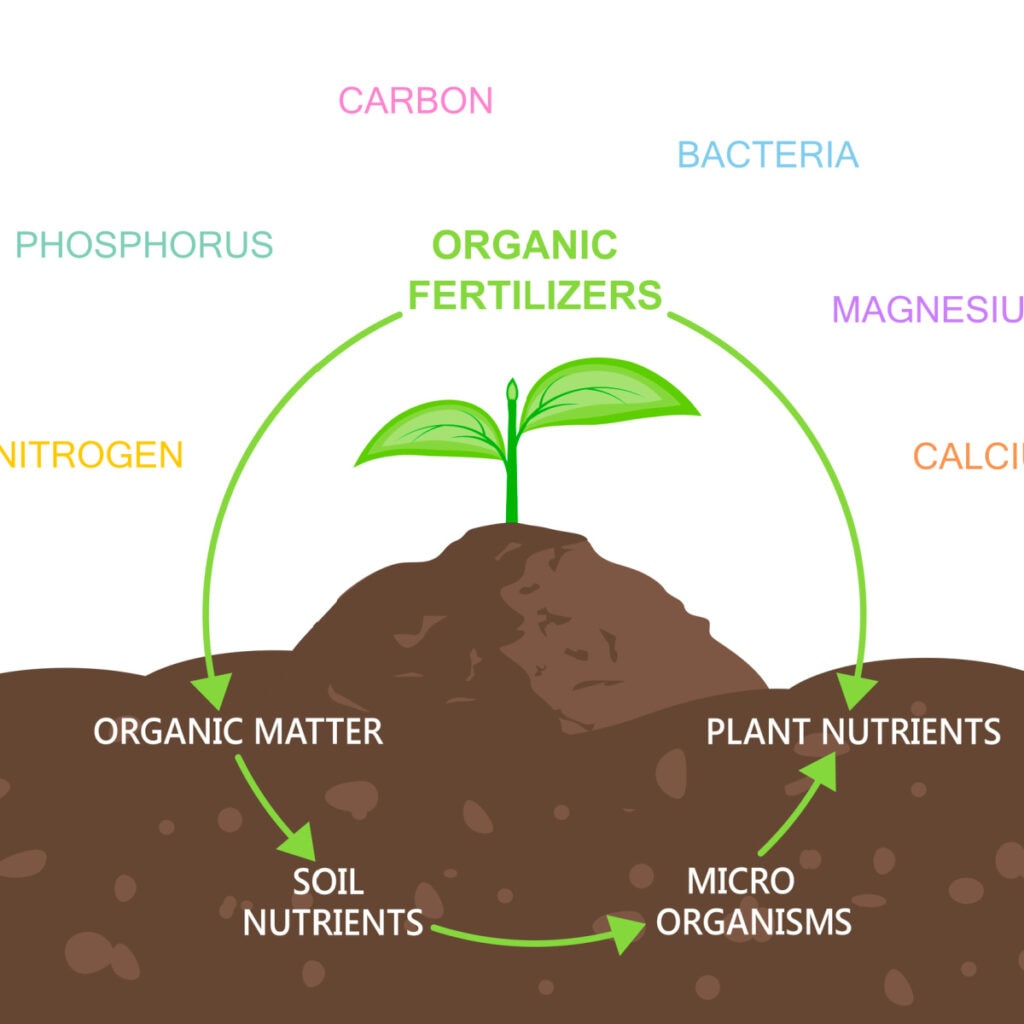
4. Ignoring Soil Quality
Healthy gardens start with healthy soil.
If plants struggle no matter what you do, the soil is often the issue. Adding compost, leaf mold, or aged manure improves drainage, nutrients, and structure over time.
Good soil fixes a lot of problems before they even start. I have shared many articles here on improving the soil.
5. Skipping the Plant Tag or Seed Packet
Those little tags are full of helpful information:
- Sun needs
- Water requirements
- Spacing
- Mature size
They’re not just decoration — they’re a roadmap for success.
Related: How to Read Seed Packets
6. Planting Too Early in the Season
Warm-weather plants don’t like cold soil, even if the sun is shining. Planting too early can stunt growth or kill plants outright.
Patience in spring pays off in healthier plants later.
7. Over-Fertilizing
More fertilizer does not mean better results.
Too much fertilizer often leads to:
- Lots of leafy growth (which leads to pest attacks)
- Fewer flowers
- Weak stems
- Burned roots
Slow, steady feeding wins the race.
My favorite organic fertilizer works to not only feed the plants but helps feed the soil to improve it as well.
8. Choosing Plants That Don’t Suit Your Climate
We’ve all fallen in love with a plant that just doesn’t belong in our climate.
Before buying:
- Check your growing zone (for winter hardiness if a perennial)
- Look for heat- or cold-tolerant varieties
- Choose plants that thrive where you live
Your garden will be happier — and so will you.
9. Skipping Mulch
Mulch is a gardener’s best friend.
It helps:
- Retain moisture
- Suppress weeds
- Regulate soil temperature
- Improve soil over time
Even a simple layer of shredded leaves works wonders.
10. Watering at the Wrong Time of Day
Midday watering leads to evaporation and wasted water.
Early morning is best — plants get what they need, and leaves dry before evening, reducing disease.
Even better, install a drip system. There are kits available that most can install themselves. See how I did mine here.
11. Expecting Instant Results
Gardening teaches patience.
Some plants take weeks to establish. Others don’t truly shine until their second or third year. Growth takes time — and that’s part of the beauty.
Discover the art and beauty of Slow Gardening!
12. Buying Too Much at Once
It’s easy to get carried away at the garden center (we’ve all been there).
But too many plants at once can feel overwhelming. Start small, learn your space, and add gradually.
We’ve all seen the huge plant hauls on YouTube and wanted that kind of instant gratification. But that isn’t what gardening is about. Take your time and slowly curate your garden. Don’t be taken in by the overconsumerism present on social media.
13. Ignoring Mature Plant Size
That sweet little plant may become a 6-foot monster.
Always check:
- Height
- Width
- Spacing needs
Your future garden will thank you. And your back if you have to dig one of those monster bushes or trees out in a few years.
14. Not Observing the Garden
The best gardeners are great observers.
Watch:
- Where water pools
- Which areas dry out fastest
- What thrives and what struggles
Your garden tells you everything — if you listen and watch.
15. Thinking You’re “Bad at Gardening”
This one breaks my heart.
Every gardener kills plants. Every gardener makes mistakes. That’s not failure — that’s experience.
Gardening is learned by doing, trying, failing, and trying again.
🌼 Final Thoughts
Gardening doesn’t have to be complicated or perfect. It’s meant to be peaceful, grounding, and joyful.
Start small. Learn as you go. And remember — even the most beautiful gardens were once just dirt and hope.
Hi, I’m Pamela
With 45 years of hands-on gardening experience, I love sharing practical tips, proven techniques, and inspiration drawn from my own gardens. My goal is to nurture your confidence, spark your passion, and help make every step of your gardening journey more enjoyable.