Propagate Plants with Root Divisions
Propagate plants with root divisions, a guide to getting free plants, and a healthier garden!
Dividing your perennials is an excellent way to expand your garden for free while ensuring your existing plants remain healthy. Propagation by root division is a straightforward process that helps control overgrown plants and improves their health, keeping your garden lush and vibrant.
Key Takeaways
- Why Divide Perennials
- Best Time to Divide
- How to Divide Plants
- Tips for Success
- Plants that Divide Well
Why Divide Perennials?
Dividing perennials not only gives you more plants but also helps revitalize those you already have. After three to four years, or if they are especially vigorous, many perennials become crowded.
Crowded perennials bloom less. Dividing them helps manage growth and encourages healthier, more attractive blooms.
Best Time to Divide Plants
The ideal times for dividing most perennials are in the spring or fall. Fall is often preferred as the plants can put down roots in the new location while the soil is warm before very cold weather sets in.
Many also divide plants in early Spring and that works too but the plants get a head start when divided and planted in Fall.
With proper care, you can divide them anytime between spring and fall, but it can be a bit tricky.
If you’re dividing during the hot summer months, be sure to keep the new divisions well-watered and provide them with shade.
Simple methods like draping shade cloth or burlap over a frame (such as tomato cages) work wonders to protect plants from the harsh sun.
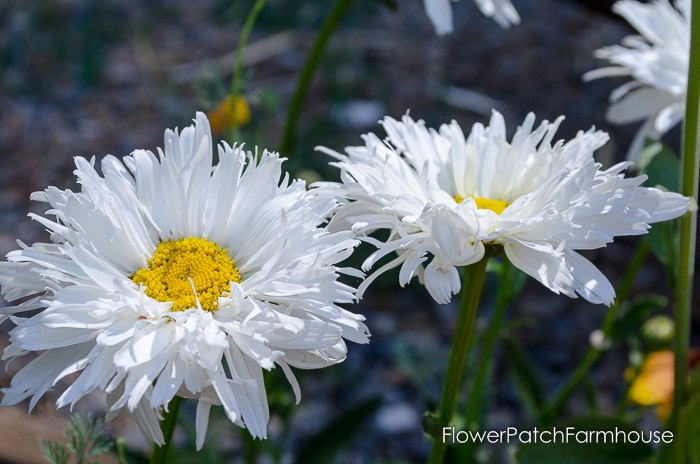
How to Divide Perennials
Here’s a step-by-step guide to help you through the process:
Prepare the Area:
A few days before dividing, water the plant deeply to soften the ground, making it easier to dig. In spring, when the soil is already damp, you can skip this step.
Dig Around the Plant:
Start digging a few inches away from the plant’s base to capture a good portion of the root ball. Be sure to dig deep, especially if your plants are well-established.
Remove the Plant:
Dig around the entire clump to lift it from the ground. If needed, rinse the soil away with a hose to expose the roots. This helps you see where to divide the plant.
You can either pull them apart by hand or use a sharp shovel to cut through the mass. If you need to use a garden knife or saw to cut through the roots.
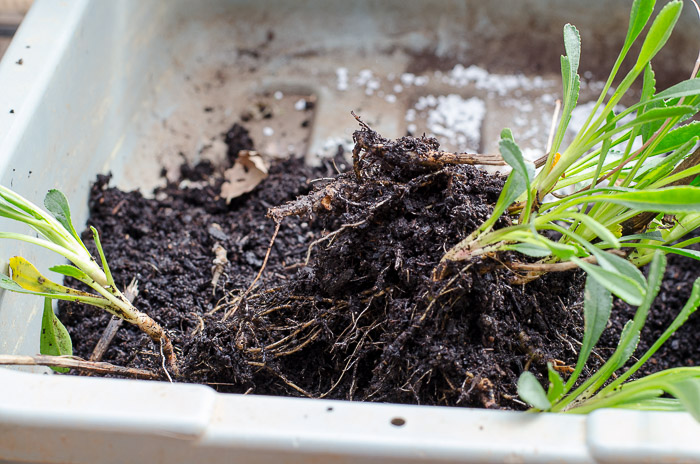
Replant or Pot Up:
Make sure each new division has a healthy set of roots and leaves. You can either plant them in a new spot in your garden or pot them up to share with friends.
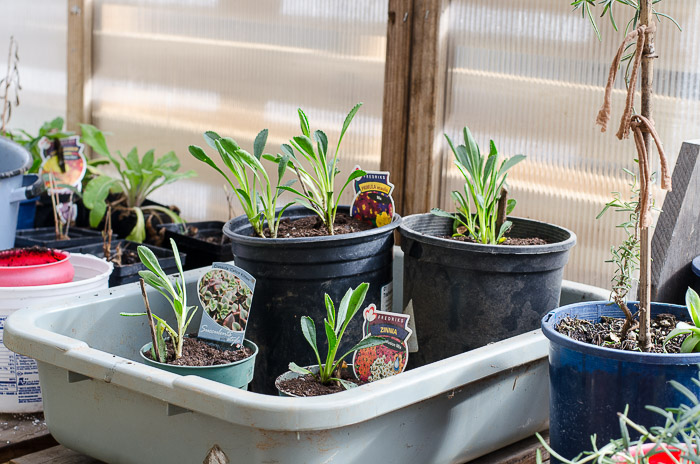
Always plant at the same depth as before, water thoroughly, and mulch to conserve moisture. Protect them from slugs and snails. Organic bait works well and so does a product called New Saturday Lime.
Keep in mind that perennials with a single large tap root or a woody base do not like to be divided. (lavender and sea holly are examples) You are better off taking cuttings or planting from seed.
Another wonderful thing about root division propagation is you get a nice-sized plant right away rather than starting with tiny seedlings and you have an exact clone of the parent plant.
Tips for Success
- Perennials with a single large tap root or those with multiple stems from a single crown generally do not tolerate division well. For these plants, consider propagation through cuttings or seeds.
- Dividing gives you an immediate, sizable plant, unlike seedlings. Plus, each new division is an exact clone of the parent plant, ensuring you keep the same characteristics.
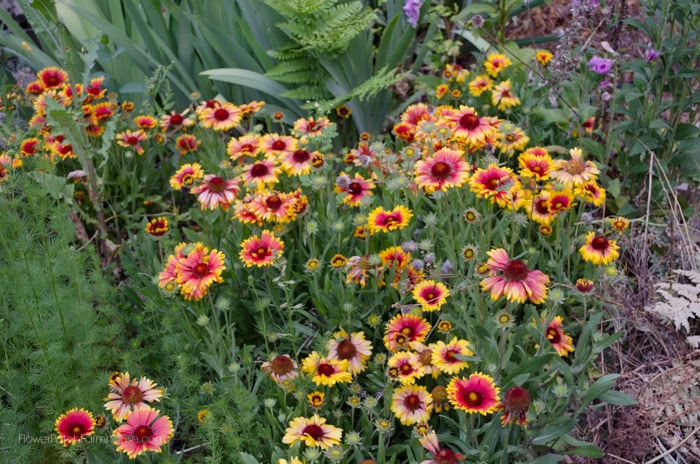
Plants Ideal for Root Division
Some great plants you can propagate with root divisions are:
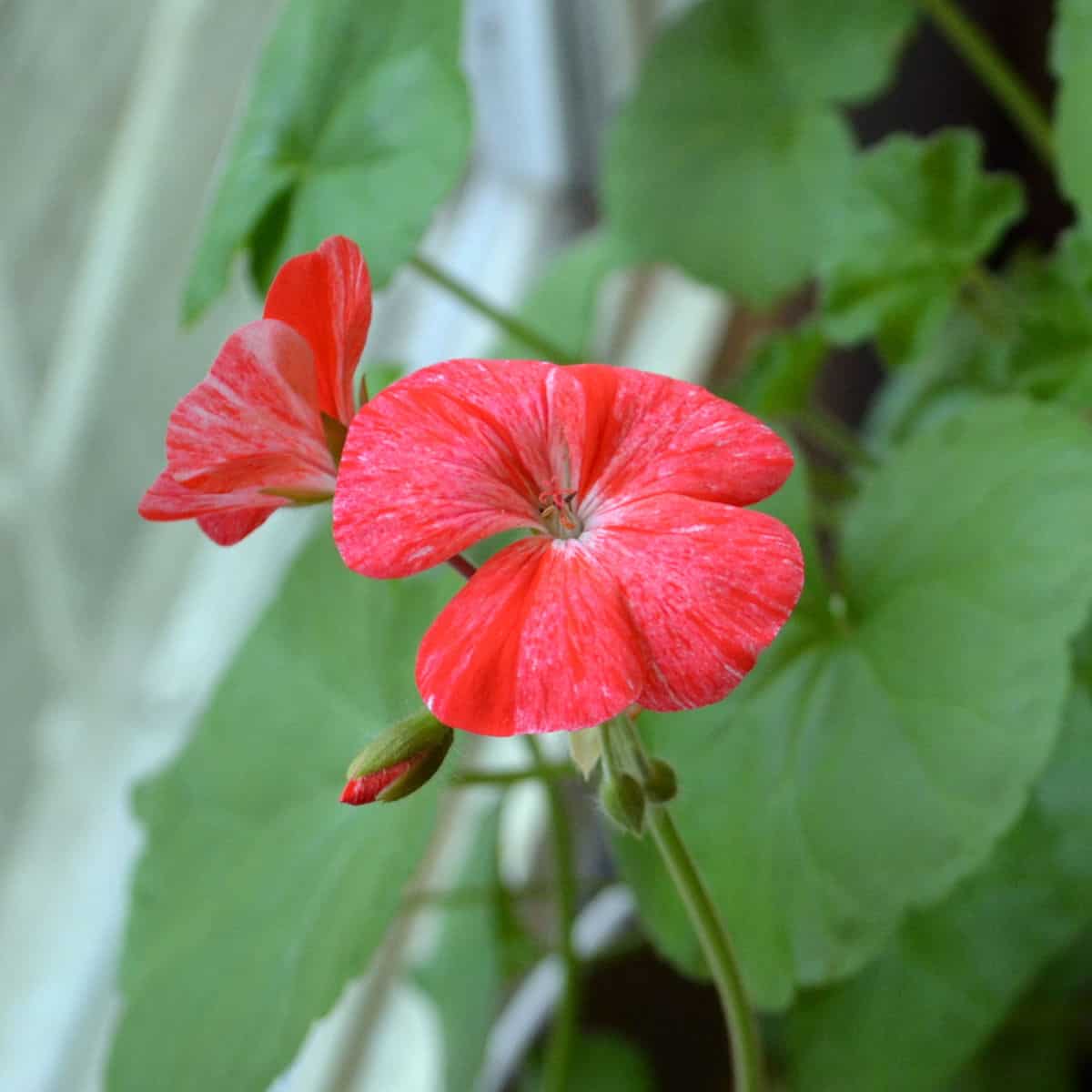
Hardy Geraniums
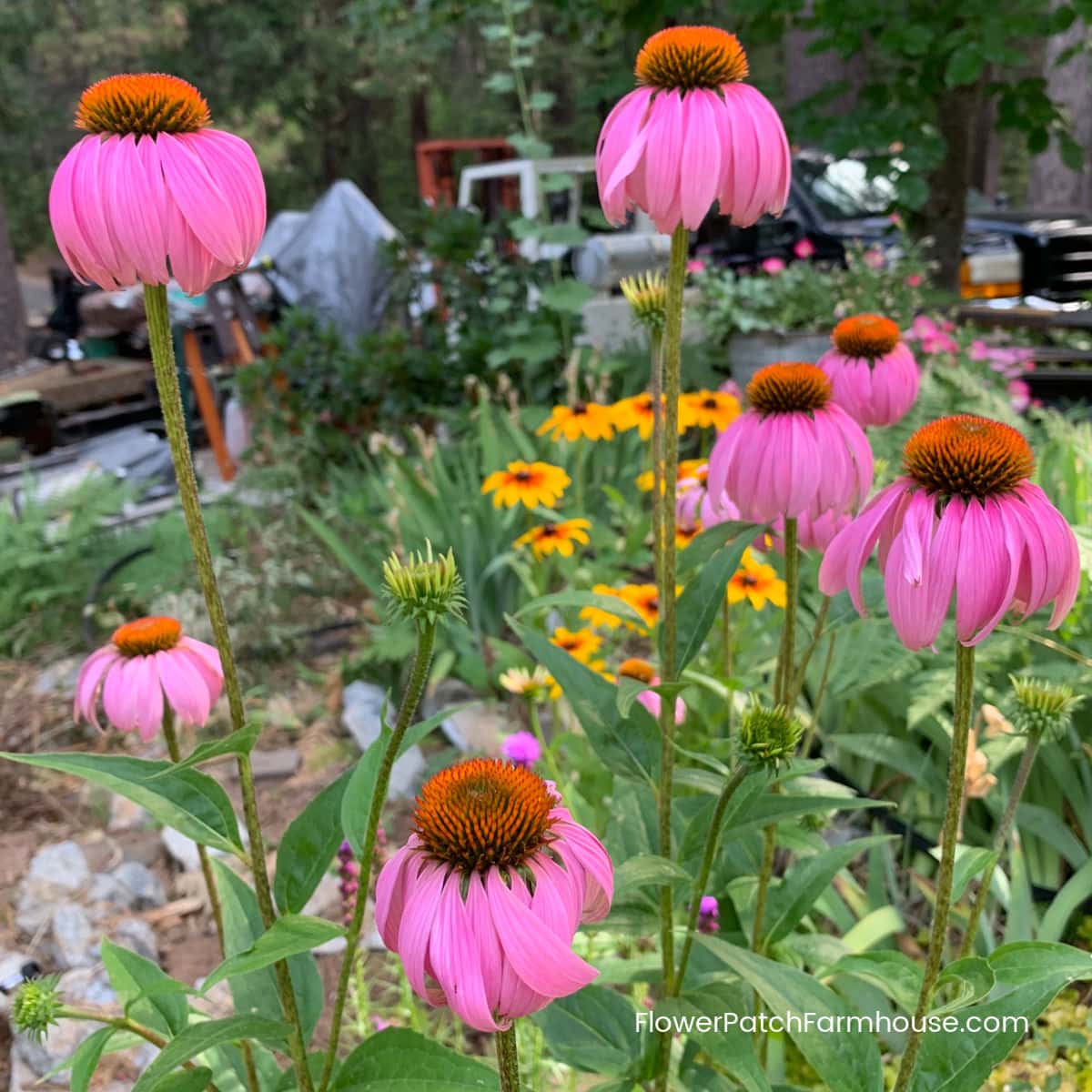
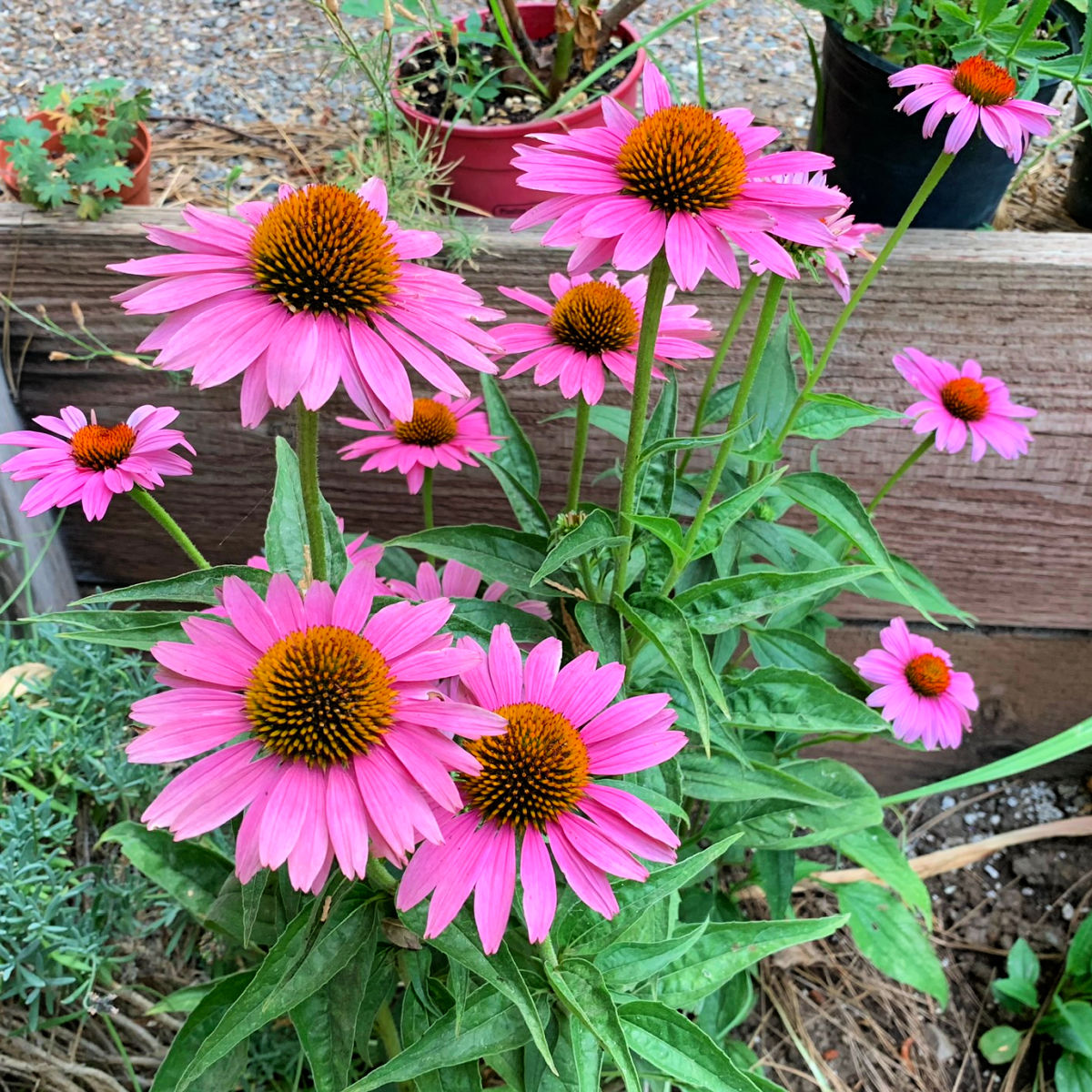
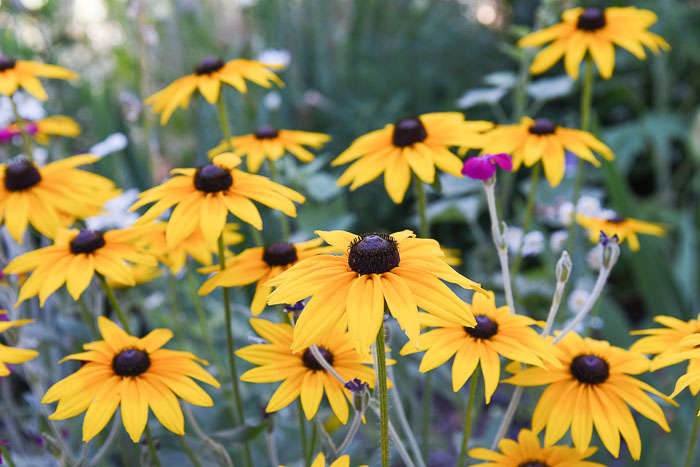
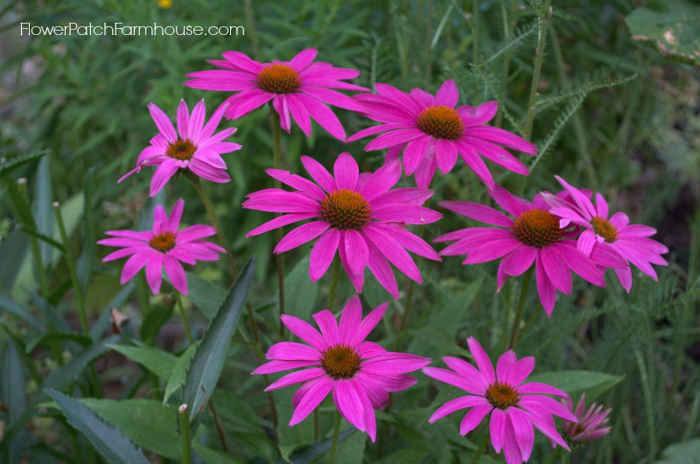
Echinacea or Coneflower
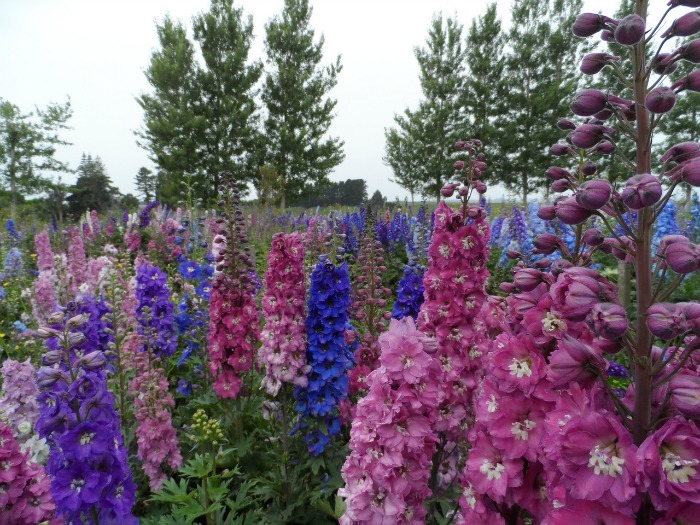
Delphiniums
Daisies
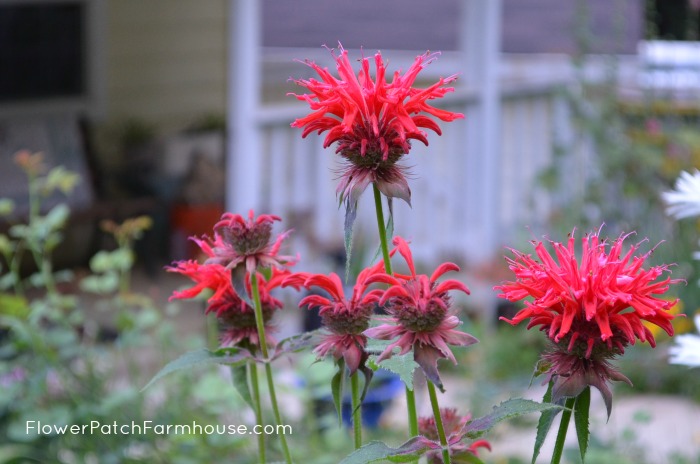
To Sum Up
Root division is an easy, cost-effective way to get more plants while keeping your garden thriving. Whether you’re expanding your garden or sharing plants with friends, this method will help you grow beautiful perennials and keep your existing ones healthy.
Further Reading
For more tips and gardening advice, check out these articles:
Happy Digging!
Hi, I’m Pamela
With 45 years of hands-on gardening experience, I love sharing practical tips, proven techniques, and inspiration drawn from my own gardens. My goal is to nurture your confidence, spark your passion, and help make every step of your gardening journey more enjoyable.