What to Do in the Garden Before the First Frost: 12 Important Fall Tasks
The first frost of fall has a way of sneaking up on us. One week I’m still enjoying flowers in the garden, and the next I’m watching the nighttime temperatures and wondering which plants I need to save before it’s too late.
But don’t worry—I’m not going to give you a giant fall cleanup list.
In fact, one of the most important things I do before frost is decide what I can simply leave alone.
Some tender plants are worth saving, seeds you can collect for free, things you can still plant, and a few jobs that are much easier to do before freezing temperatures turn tender plants to mush.
Here are 12 things I like to do in my garden before the first frost—and many of them will save you work and money next spring.
Quick Answer: Before your first frost, concentrate on saving tender plants, taking cuttings, collecting seeds, planting spring bulbs and perennials, protecting vulnerable containers, and removing diseased plant material. Don’t feel that you need to cut the entire garden back. Leaving healthy stems and seedheads standing can provide food and habitat while saving you unnecessary work.
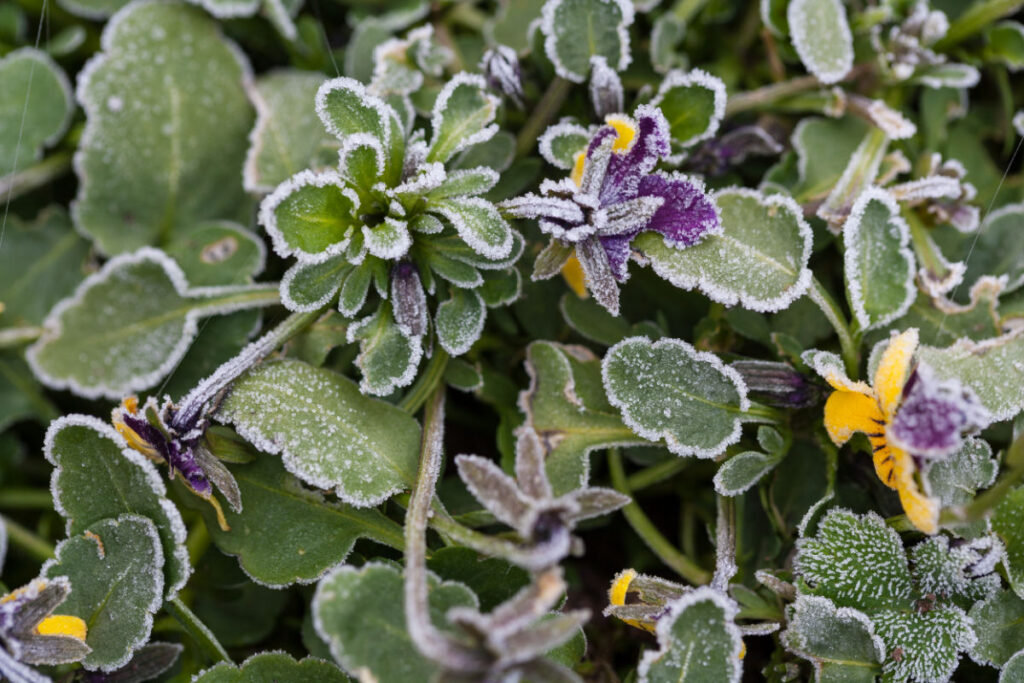
When Is Your First Frost?
Before we get into the list, it’s important to remember that there isn’t one date that works for everyone.
I’m gardening in the Northern California mountains, and even here my first frost doesn’t arrive on exactly the same date every year.
Your average first frost date is a useful guide, but it isn’t an appointment your garden has made with the weather.
One year frost may arrive early. Another year we may enjoy weeks of beautiful weather beyond the average date.
That’s why I don’t garden strictly by the calendar. I watch the weather forecast and pay attention to what’s happening in my own garden.
Light Frost vs. Hard Freeze
Not all frost is the same.
A light frost may damage tender plants while leaving many cold-tolerant plants perfectly fine. A harder freeze, particularly when temperatures remain below freezing for several hours, can kill tender annuals and damage plants that survived earlier light frosts.
You also have little microclimates within your own garden.
An exposed area may frost while a protected spot near the house doesn’t. Low areas where cold air settles may be affected before other parts of your garden.
So rather than becoming too concerned about one exact date or temperature, use your average frost date as a reminder that it’s time to start paying attention.
Now let’s get out into the garden.
1. Take Cuttings of Tender Plants You Want to Save
This is one of my favorite fall garden jobs because it saves me money next spring.
Before frost damages tender plants, take cuttings from anything you’d like to grow again next year.
One of my favorites is sweet potato vine.
I absolutely love my ‘Margarita’ sweet potato vine. Some gardeners find it overly vigorous in containers, but that’s exactly what I like about it. It grows fast, fills a container beautifully, and is incredibly easy to propagate.
Rather than trying to bring an enormous plant indoors, I take cuttings before frost arrives and root them.
I can overwinter several small plants without needing much room, and by spring I have plants ready to grow again.
Other tender plants that are easily propagated from cuttings may also be worth saving this way.
The key is to take cuttings while the plant is still healthy, rather than waiting until frost has damaged the foliage.
All the best garden tips
Cuttings from Sweet Potato Vine
Ornamental Sweet potato vine is easy to propagate from cuttings. Not only can you get more sweet potato plants throughout the summer, but you can overwinter cuttings in a sunny windowsill.
Related: How I Propagate and Overwinter Sweet Potato Vine
2. Save Tender Tubers, Bulbs and Corms
Cuttings aren’t your only option for saving plants.
Some of our favorite summer plants can be stored underground.
Sweet potato vines, for example, can develop tubers. If yours has formed them, you can save the tubers rather than keeping the entire plant growing indoors all winter.
Depending upon your climate, you may also need to lift and store plants such as:
- Dahlias
- Cannas
- Gladiolus
- Tuberous begonias
- Elephant ears
- Sweet potato vine tubers
Whether you actually need to dig these plants depends on where you garden and how cold your winters get.
Something I have to protect may survive perfectly well in your garden, and vice versa.
This is why I always encourage gardeners to learn their growing zone but also pay attention to their actual garden conditions.
Your zone is a starting point—not a substitute for getting to know your garden.
3. Collect Seeds for Next Year’s Garden
This one is basically free plants for next year.
By late summer and early fall, my garden is full of seedheads.
I can collect seeds from flowers such as zinnias, cosmos, marigolds, hollyhocks, rudbeckia, and many others.
If there’s something you particularly want to grow again next year, collect some seed before rain, wind, birds, or winter weather gets to it.
You don’t need special seed-saving equipment.
I make sure the seeds are mature and dry, put them into an envelope or other breathable container, label them, and store them somewhere cool and dry.
And please label your seeds.
It’s surprisingly easy to convince yourself that you’ll remember what those little brown seeds are six months from now.
You probably won’t.
One other thing to remember is that seeds collected from hybrids won’t necessarily produce plants identical to the parent. I still enjoy experimenting with some of them, but if you want predictable results, learn whether the plant you’re collecting from is an open-pollinated variety or a hybrid.
easy way to save money and grow better plants
Saving Seeds from Your Garden!
Related: Sowing Seeds in Fall for a Better Spring!
4. Leave Some Seedheads for the Birds
You don’t need to collect every seed.
In fact, this may be the easiest job on my list because it requires doing absolutely nothing.
I intentionally leave some seedheads standing through fall and winter.
Echinacea, rudbeckia, sunflowers, and other seed-producing flowers can provide food for birds.
Standing stems and plant material can also provide shelter and overwintering habitat for some insects and other creatures in our garden ecosystem.
And I happen to like the way many dried seedheads look in the winter garden.
We’ve become accustomed to thinking a garden needs to be completely cleaned up in fall.
It doesn’t.
A garden doesn’t need to look perfectly tidy to be healthy.
5. Remove Diseased Plant Material
There is an important exception to my “leave it standing” approach.
Diseased foliage is something I remove.
If I’ve had problems with rust, powdery mildew or other significant disease issues, I don’t necessarily want badly affected foliage sitting around the garden all winter.
Removing diseased leaves and stems can be part of good garden sanitation.
I also don’t put obviously diseased material into my regular compost unless I know my composting process is capable of handling it properly.
This is why I prefer selective fall cleanup rather than cutting everything down.
Walk through your garden and ask:
Is there a good reason for me to remove this plant material?
If the answer is no, it can probably wait.
Related: [Link to your Don’t Cut These Plants Back article/video]
6. Stop Plants You Don’t Want Reseeding Everywhere
There’s another good reason to remove certain seedheads.
Some plants are enthusiastic reseeders.
And that’s wonderful—until it isn’t.
I love letting many plants seed themselves around my cottage garden. It’s an easy and inexpensive way to get that relaxed, natural look I enjoy.
But there are some plants I don’t want producing approximately 4,372 seedlings next spring.
Those are the ones I’ll deadhead or cut back before their seeds scatter everywhere.
I love free plants, but I don’t want those free plants creating hours of extra work.
This has become increasingly important to me as I work toward making my gardens easier to maintain.
Let the plants you want spread. Stop the ones you don’t.
That’s a much simpler approach than treating every plant in the garden exactly the same.
All the best garden tips
Perennials That ReSeed Easily
Here’s a quick rundown of 18 of my favorite cottage garden perennials (and a couple of annuals I wouldn’t be without), with a few growing tips and their hardiness zones to help you decide what will thrive in your own garden.
7. Plant Perennials While the Soil Is Still Warm
A lot of gardeners automatically think of spring as planting season.
But fall can be a wonderful time to plant many perennials.
The air is cooler, we’re often getting more moisture, and the soil can remain warm enough for roots to continue growing even as the top of the plant begins slowing down.
That gives plants an opportunity to start establishing before winter and then get going again as conditions improve in spring.
So if you have perennials sitting around that you’ve been meaning to plant, don’t automatically assume you’ve missed your chance simply because summer is over.
I actually prefer planting many perennials in fall.
Of course, how late you can plant depends upon your climate, your soil and how quickly winter arrives where you live.
And don’t forget: a newly planted perennial still needs water.
Which brings us to number eight.
8. Don’t Stop Watering Just Because It’s Fall
This is easy to forget.
The weather cools, the days get shorter, and we’re no longer outside watering constantly.
But newly planted perennials, trees, and shrubs still need adequate moisture while their roots are establishing.
Your established garden may need considerably less water than it did during summer, but that doesn’t automatically mean it needs no water.
Here in my dry summer climate, this is especially important.
I pay attention to rainfall, temperatures, and what the soil is actually telling me rather than simply shutting the water off because the calendar says October.
Check the soil before watering. If nature is providing enough moisture, wonderful. If not, you may need to help newly planted areas along.
9. Plant Spring-Flowering Bulbs
Here’s one of those garden jobs where future you will be very happy with present you.
Tulips, daffodils, crocus, and many of our other spring-flowering bulbs are planted in fall.
Every year it seems slightly ridiculous to bury these rather unimpressive little brown bulbs in the ground just as the garden is shutting down.
Then spring arrives.
Suddenly flowers are popping up everywhere, and I’m very glad I took the time to plant them.
When you plant will depend somewhat on your climate and the type of bulb.
Gardeners in warmer climates should also check whether certain bulbs—particularly tulips—need chilling before planting.
The important thing is to think about spring now.
You can’t decide in April that you’d like a beautiful display of daffodils next week.
Fall is when that spring garden begins.
I particularly enjoy growing them in pots and containers…and speaking of containers…
10. Protect Vulnerable Container Plants
Take a walk around your garden and look at what’s growing in pots.
Plants in containers can be more vulnerable to cold than the same plants growing in the ground because their roots don’t have the surrounding soil providing the same level of insulation.
That doesn’t mean every pot needs to come inside.
Depending upon the plant and your climate, you may be able to move containers:
- Closer to the house
- Against a protected wall
- Out of harsh winter winds
- Into a greenhouse
- Into an unheated garage or other protected area
And before you bring anything into your house or greenhouse, check it carefully for pests.
You do not want to spend the winter raising aphids along with your plants.
Ask me how I know. But also, any pots that are porous, like terra cotta, may need to be out of the freezing weather. Some are fired in a way that they will not crumble being outside all the time, but others need to be protected from the elements.
11. Check Your Mulch—But Don’t Bury Your Plants
Fall is also a good time to look at the soil surface.
Mulch can help conserve moisture, moderate soil temperature and protect the soil.
But that doesn’t mean more mulch is always better.
I don’t pile mulch up against tree trunks or shrub stems, and I don’t want to bury the crowns of my perennials.
We’re protecting the soil, not burying the plant.
I also don’t automatically add a thick new layer of mulch every fall simply because it’s on someone’s garden checklist.
If an area already has adequate organic material covering the soil, it may not need anything.
I prefer to look at what my garden actually needs before adding more.
That’s true of a lot of gardening advice.
You don’t need to do something simply because someone told you it’s a “fall garden chore.”
12. Don’t Rush to Put Your Garden to Bed
This may be the most important item on the entire list.
Don’t rush your garden.
Every fall I hear about “putting the garden to bed.”
But the garden isn’t finished simply because summer is over.
There may still be flowers blooming.
Pollinators may still be visiting them.
Birds may be eating the seeds.
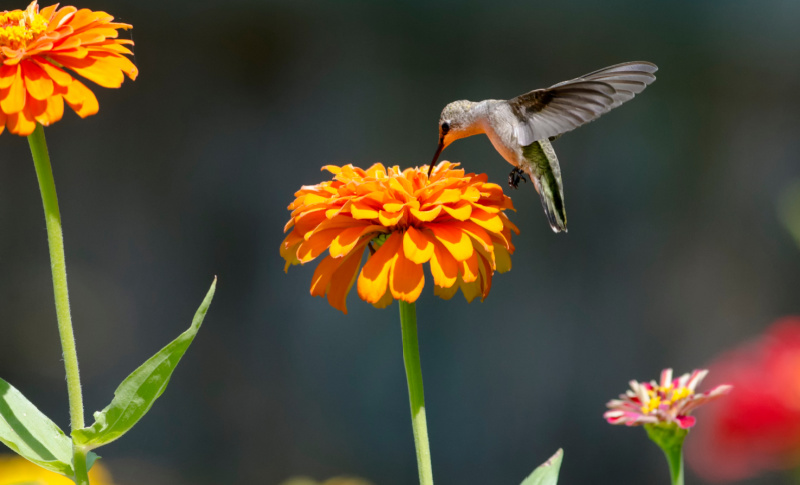
Roots may still be growing beneath the soil.
And some of those plants that look messy to us may still be doing something useful.
So rather than heading into the garden with pruners and cutting everything down, I prefer to slow down and look.
Remove what’s diseased.
Cut back plants you don’t want reseeding.
Save the tender plants you love.
Collect some seeds.
Plant what you can.
Protect what needs protecting.
And leave the rest.
Your garden does not need to be perfectly tidy before the first frost.
What Should You Cut Back Before Frost?
If you’re wondering what actually needs cutting back in fall, I keep the decision fairly simple.
I consider removing a plant before winter when:
- It is badly diseased.
- I don’t want it reseeding.
- Frost has turned tender growth into a soggy mess.
- Removing it solves a specific pest or sanitation problem.
- It is blocking access to something I need to work on.
Otherwise, I’m usually happy to wait.
Many perennial stems can remain until later winter or spring, and seedheads can provide food and winter interest in the meantime.
This also spreads the work out instead of turning fall into one enormous garden cleanup.
And I’m all for less unnecessary work in the garden.
What Should You Bring Inside Before Frost?
You don’t need to turn your house into a greenhouse every fall.
I concentrate on plants that are:
- Tender in my climate
- Expensive or difficult to replace
- Particularly special to me
- Easy to overwinter
- Easy to propagate from cuttings
Sometimes the easiest solution isn’t bringing the original plant indoors at all.
Taking a few cuttings or saving a tuber can require far less space and attention over winter.
That’s one reason I propagate my sweet potato vines rather than trying to keep enormous plants growing in the house.
A Simple First-Frost Garden Checklist
If you’re feeling overwhelmed, forget about doing everything.
Start with the things that actually have a deadline.
Before frost: take tender cuttings, collect any seeds you definitely want and protect vulnerable plants.
Before the ground gets too cold: plant your perennials and spring bulbs.
As plants decline: remove diseased material and anything you don’t want dropping seeds.
Everything else: decide whether it really needs doing at all.
That’s a much more manageable fall garden plan.
Fall Gardening Doesn’t Have to Mean a Big Cleanup
I certainly don’t accomplish every garden job before frost every year.
And that’s okay.
Gardening isn’t about finishing a checklist.
For me, it’s about doing the things now that will make next year’s garden easier, healthier and more enjoyable.
And many of these fall jobs save money too.
Taking cuttings, saving tubers, collecting seeds, dividing plants and allowing some flowers to reseed mean I don’t have to start from scratch at the garden center every spring.
Most importantly, don’t feel pressured to make your garden look perfectly tidy before winter arrives.
Sometimes the best thing we can do for our gardens—and ourselves—is simply leave a few things alone until spring.
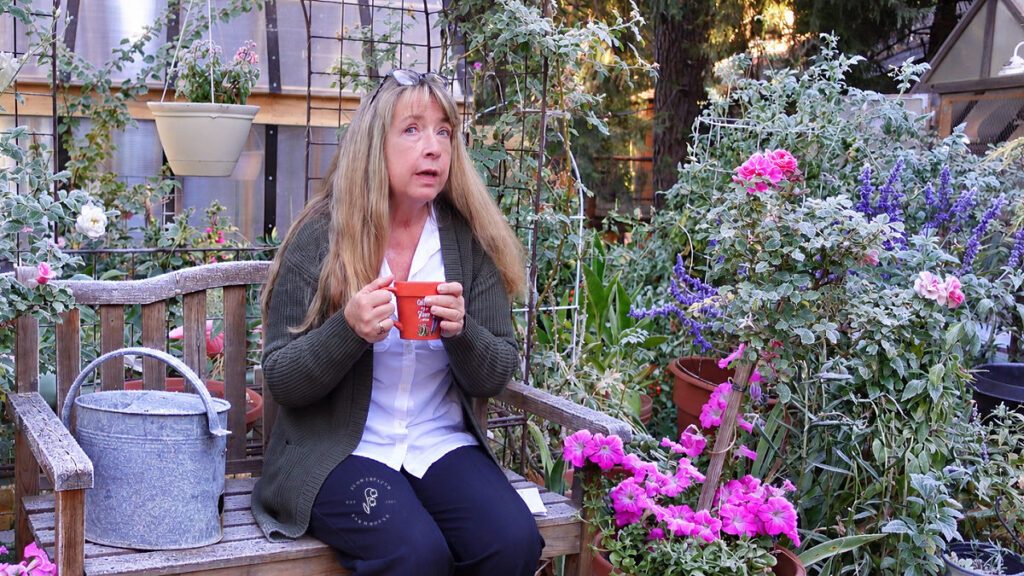
Happy Fall Gardening!
Hi, I’m Pamela
With 45 years of hands-on gardening experience, I love sharing practical tips, proven techniques, and inspiration drawn from my own gardens. My goal is to nurture your confidence, spark your passion, and help make every step of your gardening journey more enjoyable.