12 Things to Know About Growing Hydrangeas Before You Plant One
Hydrangeas are the kind of plant that can make you stop in your tracks. Those enormous clusters of flowers are hard to resist, especially when you see a beautiful plant covered with blooms at the garden center.
But before you bring one home, a few things are worth knowing.
One of the biggest mistakes we can make with hydrangeas is assuming they’re all basically the same plant. They’re not. Different types of hydrangeas can have very different requirements when it comes to sunlight, pruning, cold tolerance, size, and even how much water they need.
Choosing the right hydrangea for your garden can mean the difference between a shrub that struggles and one that becomes easier and more beautiful every year.
So before you plant one, here are 12 things I think every gardener should know about growing hydrangeas.
This post contains affiliate links. If you make a purchase after clicking a link I may make a small commission at no cost to you.
1. Know What Kind of Hydrangea You’re Buying
This may be the most important thing on the entire list.
There are several different types of hydrangeas commonly grown in gardens, and knowing which one you have makes caring for it much easier.
Some of the most common are:
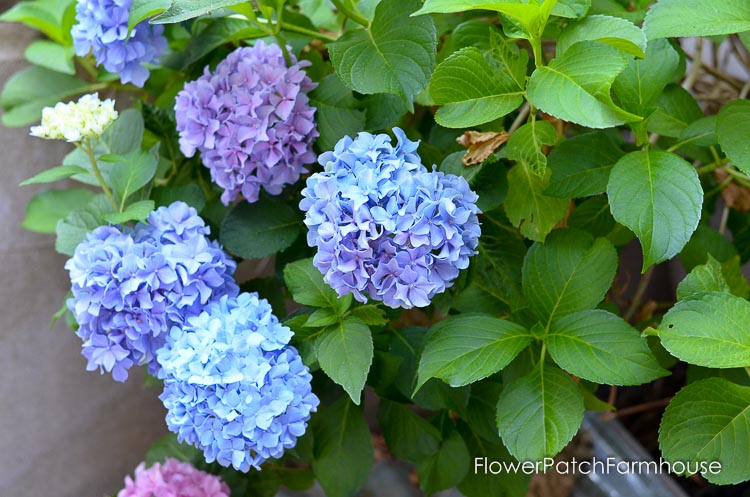
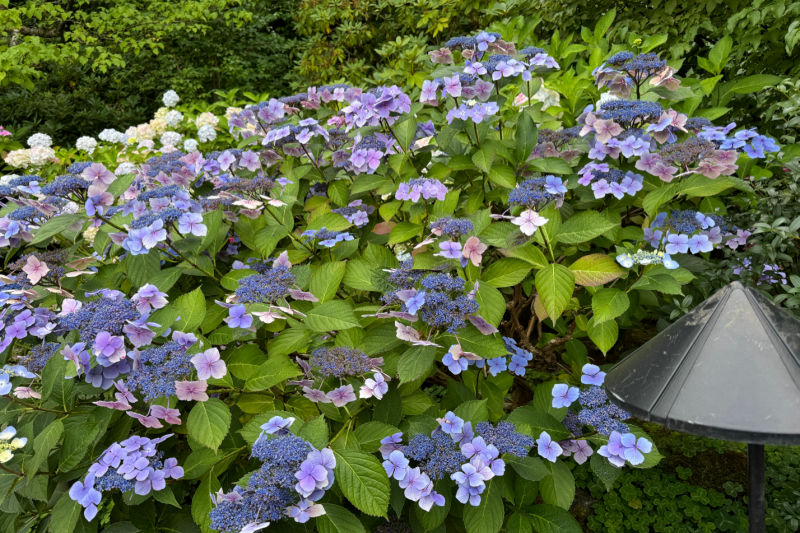
- Bigleaf hydrangea (Hydrangea macrophylla) – famous for large blue, pink, or purple mophead and lacecap flowers.
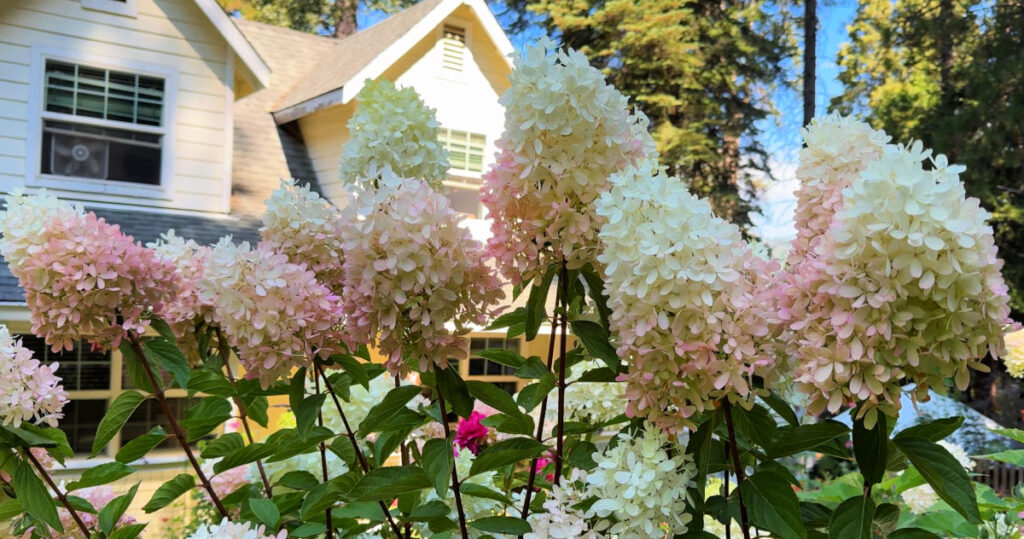
- Panicle hydrangea (Hydrangea paniculata) – generally more sun and cold tolerant, with cone-shaped flower clusters.
- Smooth hydrangea (Hydrangea arborescens) – includes popular varieties such as ‘Annabelle’.
- Oakleaf hydrangea (Hydrangea quercifolia) – grown for beautiful flowers as well as its distinctive foliage and fall color.
- Mountain hydrangea (Hydrangea serrata) – similar to bigleaf hydrangeas but often somewhat smaller and more delicate-looking.
- Climbing hydrangea (Hydrangea anomala subsp. petiolaris) – a completely different growth habit that climbs walls, trees, and structures.
Don’t just buy a plant labeled “hydrangea” and assume the care instructions you’ve heard apply to it.
Read the plant tag and find out exactly what you’re growing.
That one little step can prevent a lot of frustration later.
2. Check the Mature Size Before You Plant
That pretty little hydrangea sitting in a nursery pot may eventually become a very large shrub.
Some hydrangeas stay relatively compact while others can grow 6, 8, or even 10 feet tall and wide depending on the variety and growing conditions.
Panicle hydrangeas in particular can become surprisingly large.
It is tempting to plant young shrubs close together because the garden looks empty when they’re small. But eventually those plants need room for air circulation and natural growth.
I would much rather give a hydrangea enough space from the beginning than spend years trying to prune it into a space where it never really belonged.
Look at the mature height and width of the specific cultivar, not simply the general size of that hydrangea species.
3. Hydrangeas Don’t All Need Shade
This is one of the most common misconceptions about hydrangeas.
You’ve probably heard that hydrangeas are shade plants.
Some appreciate protection from intense afternoon sun, particularly bigleaf hydrangeas in hot climates. But that doesn’t mean all hydrangeas should be planted in deep shade.
In fact, too little light can result in fewer flowers.
Panicle hydrangeas are especially tolerant of sun and can often grow beautifully in considerably more sunlight than bigleaf types.
Climate matters too.
A hydrangea growing in a cooler northern climate may tolerate much more direct sun than the same plant growing where summers are extremely hot.
For many hydrangeas, a location with morning sun and some protection from intense afternoon heat can work beautifully.
Note: Use a patio umbrella to provide shade in the height of summer if you lack other shade. It works very well.
But once again, check the needs of the particular hydrangea you’re planting.
4. Hydrangeas Like Moisture, But They Don’t Want Soggy Soil
The name hydrangea makes many gardeners think these plants need tremendous amounts of water.
Hydrangeas do appreciate consistent moisture, especially while getting established.
But constantly saturated soil is another matter entirely.
Hydrangea roots still need oxygen. Poorly drained soil can lead to root problems just as it can with many other garden plants.
Ideally, plant hydrangeas in soil that holds enough moisture to keep the roots from drying excessively but still drains well.
A layer of organic mulch over the soil can also help reduce evaporation and moderate soil temperatures.
And remember that newly planted hydrangeas require more attention to watering than established shrubs.
FYI: You can also use groundcovers in place of mulch!
5. Afternoon Wilting Doesn’t Always Mean Your Hydrangea Needs Water
This one can save you from overwatering.
Hydrangeas have large leaves, and on very hot afternoons those leaves may lose water faster than the roots can replace it.
The plant can look wilted even when there is still moisture in the soil.
Before automatically reaching for the hose, check the soil.
If the soil is still adequately moist and the plant perks back up as temperatures cool in the evening, it may simply have been responding temporarily to heat.
If the plant remains wilted into the evening or the soil is dry, then watering may be needed.
Let the soil tell you what is happening rather than relying entirely on the appearance of the leaves.
6. The Wrong Pruning Can Remove Your Flowers
If you’ve ever heard someone say:
“My hydrangea grows beautifully but never blooms.”
Pruning is one of the first things worth investigating.
Some hydrangeas bloom primarily on old wood, meaning their flower buds formed on stems produced during the previous growing season.
Others bloom on new wood, meaning they produce flowers on growth made during the current season.
And some newer cultivars can bloom on both.
This is why blanket advice telling gardeners to “cut hydrangeas back in fall” or “prune them hard in spring” can cause trouble.
Bigleaf hydrangeas traditionally bloom largely on old wood, while panicle and smooth hydrangeas bloom on new growth.
Before pruning any hydrangea, determine what type it is and where it forms its flower buds.
You may discover that very little pruning is necessary at all.
7. Don’t Assume You Need to Prune Hydrangeas Every Year
Hydrangeas don’t necessarily need an annual haircut.
Pruning is often treated as a required gardening chore when sometimes the best thing we can do is leave the plant alone.
You can remove dead, damaged, or diseased wood as needed. You may also prune for shape or size when appropriate for that particular hydrangea.
But constantly cutting a healthy shrub simply because it’s spring or fall isn’t necessarily helping it.
This goes back to choosing the right-sized plant for the space.
If a hydrangea naturally wants to become eight feet wide and you’re constantly cutting it down to four feet, the problem may not be your pruning technique.
It may simply be the wrong plant for that location.
8. Soil pH Doesn’t Change the Color of Every Hydrangea
You’ve probably seen products promising to turn hydrangeas blue.
There is some real plant chemistry behind this — but it doesn’t apply to every hydrangea. Many get confused by this.
Flower color in certain bigleaf and mountain hydrangeas can be influenced by soil chemistry and the availability of aluminum.
In more acidic conditions where aluminum is available to the plant, flowers may become bluer. Under conditions where aluminum is less available, flowers tend toward pink.
But you cannot turn a white panicle hydrangea blue simply by making the soil acidic.
Its genetics determine its flower color.
So before trying to alter the soil, find out whether you actually have a hydrangea capable of changing color.
9. More Fertilizer Doesn’t Mean More Hydrangea Flowers
It’s easy to assume that if a plant isn’t blooming well, it must need fertilizer.
Not necessarily.
Excess nitrogen can encourage plenty of leafy green growth without necessarily giving you more flowers.
Lack of blooms can also be caused by:
- too much shade,
- incorrect pruning,
- winter damage to flower buds,
- a young plant that hasn’t established yet,
- or growing a hydrangea poorly suited to your climate.
Before fertilizing, try to determine why the hydrangea isn’t blooming.
If your soil already contains adequate nutrients, adding more fertilizer may accomplish very little.
My favorite fertilizer for all of my plants is Eco-Organic. (use discount code FLOWERPATCH10 for 10% off) It feeds everything; there is no need for a separate fertilizer for different plants.
10. Your Climate Matters More Than the Pictures on the Plant Tag
A gorgeous photograph on a plant tag doesn’t tell you how that hydrangea will perform in your particular garden.
Check its USDA hardiness range, but don’t stop there.
Summer heat, humidity, winter temperatures, exposure to wind, and available sunlight all influence how a hydrangea performs.
Panicle hydrangeas are among the more cold-hardy hydrangeas and are adaptable to a wide range of conditions.
Bigleaf hydrangeas can be more vulnerable to winter damage, particularly because cold can damage old-wood flower buds even when the plant itself survives.
This explains why a hydrangea can survive winter beautifully yet produce few flowers the following summer.
The roots and stems survived, but the flower buds didn’t. Because of our late winter freezes, this often happens to me, and I try to focus on hydrangeas that will bloom on new wood as well as old.
Surviving in your growing zone and thriving in your particular garden aren’t always the same thing.
11. You Don’t Have to Deadhead Hydrangeas
Deadheading hydrangeas is mostly an aesthetic choice.
Removing old flowers can make the plant look tidier, but leaving them won’t prevent the hydrangea from flowering the following year.
In fact, I think aging hydrangea flowers can be beautiful.
Many change from their summer colors into muted greens, dusty pinks, tans, and eventually parchment-like shades.
They can also provide wonderful winter interest.
If you do remove spent flowers, be careful about how far down the stem you cut on hydrangeas that bloom on old wood. You don’t want to accidentally remove developing buds for the next season.
12. The Right Hydrangea Can Actually Be Quite Easy to Grow
Hydrangeas sometimes have a reputation for being fussy.
I don’t think that is entirely deserved.
Much of the frustration gardeners experience comes from growing the wrong hydrangea in the wrong place — or following care advice intended for a completely different type.
Choose a hydrangea that fits your climate.
Give it enough room.
Plant it where it receives an appropriate amount of sunlight.
Provide consistent moisture while it establishes.
And don’t prune it unless you know why you’re pruning it.
Do those things and hydrangeas can be remarkably easy shrubs to enjoy.
Choose the Plant Before You Choose the Spot
One thing I’ve learned again and again in gardening is that it’s much easier to work with a plant’s natural growth habit than against it.
Instead of deciding, “I want a hydrangea right here,” and then buying whichever hydrangea catches your eye, look at the conditions in that location first.
How much sun does it receive?
How much room is available?
How hot does it get in summer?
How cold does it get in winter?
Then choose a hydrangea suited to those conditions.
There are so many varieties available now that there’s a good chance you can find one that fits.
And when you start with the right plant in the right place, you won’t need nearly as many tricks to keep it happy.
That’s the kind of gardening I prefer — working with the plant rather than constantly fighting against what it naturally wants to do.
Happy Hydrangea Growing!
Hi, I’m Pamela
With 45 years of hands-on gardening experience, I love sharing practical tips, proven techniques, and inspiration drawn from my own gardens. My goal is to nurture your confidence, spark your passion, and help make every step of your gardening journey more enjoyable.