12 Things to Know About Pansies Before You Plant Them
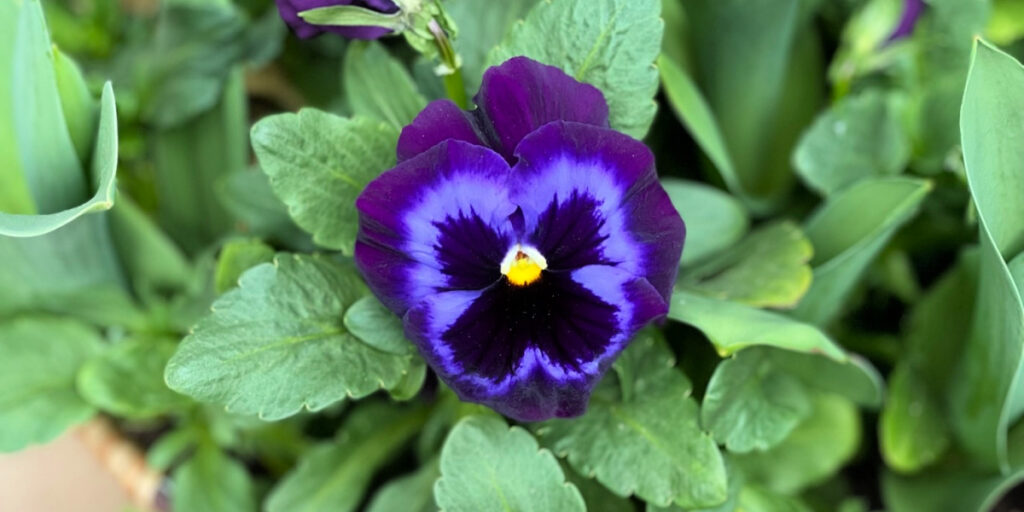
There’s something about pansies that makes me want to bring a few home every time I see them at the garden center.
Maybe it’s those cheerful little faces. Or maybe it’s because they tend to show up just when the rest of the garden is beginning to look a little tired.
In fall, when my summer flowers are winding down and I’m starting to think about cooler days ahead, pansies can give containers and garden beds a fresh burst of color. Then they appear again in early spring, often long before many of our perennial flowers have really gotten going.
This post contains affiliate links. If you make a purchase after clicking a link I may make a small commission at no cost to you.
But pansies can also be a little confusing.
Are they annuals or perennials? Should you plant them in fall or spring? How cold can they really tolerate? Why do some pansies sail right through winter while others disappear? And why can a beautiful plant you bought in spring suddenly turn leggy and miserable when warm weather arrives?
So before you fill your cart with those pretty little faces, here are 12 things to know about growing pansies.
What You’ll Learn About Growing Pansies
1. Pansies Love Cool Weather and Can Survive Freezing Temperatures
Don’t let those delicate little flowers fool you! Pansies are much tougher than they look, especially when it comes to cold weather.
Unlike many of our favorite summer annuals, pansies actually prefer cooler temperatures. They thrive in fall and spring, and in areas with mild winters, they may even bloom throughout much of the winter.
One of the things I love about pansies is how resilient they can be. You might walk outside after a freezing night and find your pansies looking completely wilted and flattened. Don’t be too quick to assume they’re dead! As temperatures warm up, those sad-looking little plants can perk right back up as though nothing happened.
Established pansies can tolerate frost and temperatures well below freezing, although their ability to survive depends on the variety, how well-established they are, and whether they’re protected from harsh winter conditions.
But here’s something that surprises many gardeners: summer heat can be harder on pansies than winter cold!
Once temperatures begin climbing, pansies often slow down their flowering, become leggy, and start looking tired. It’s not necessarily something you’ve done wrong. They’re simply cool-season plants that don’t appreciate hot weather.
If you live where spring warms up quickly, planting pansies early gives you more time to enjoy them. A little afternoon shade can also help extend their blooming season.
Eventually, though, there comes a point when I don’t fight them anymore. When summer heat arrives and my pansies begin to struggle, I simply replace them with flowers that love warmer weather.
Gardening gets so much easier when we work with what plants naturally prefer instead of trying to make them grow in conditions they don’t enjoy.
2. Pansies Can Be Annuals, Biennials, or Short-Lived Perennials
This is where things get interesting.
You’ll often see pansies described as hardy annuals, and that’s the simplest way most gardeners think about them.
We plant them, enjoy their flowers for a season or two, and eventually replace them.
Botanically, however, the story isn’t quite that simple. Depending on the type and growing conditions, plants in the Viola family can behave as annuals, biennials or short-lived perennials.
Modern garden pansies usually aren’t plants I’d count on as permanent perennials.
Their biggest problem often isn’t winter.
It’s summer.
In many climates, summer heat finishes them off long before another winter arrives.
So although your pansies may live longer than you expected, I wouldn’t design a perennial flower bed around the assumption that they’ll return reliably year after year.
Consider any returning pansies a lovely bonus.
3. Fall Is Often the Best Time to Plant Pansies
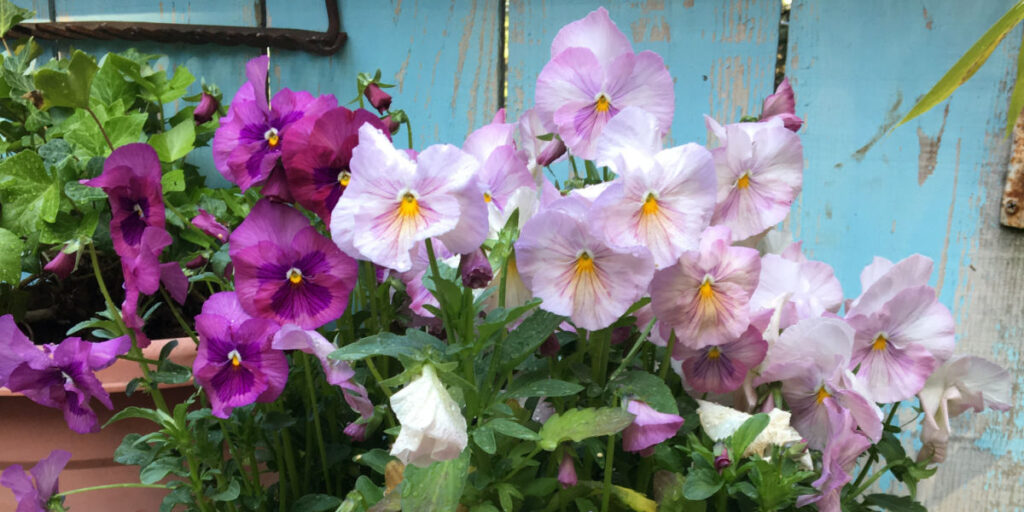
I love planting pansies and violas in fall! When the summer flowers are fading and temperatures begin to cool, adding a few pansies can perk up the garden with a fresh splash of cheerful color.
One of the biggest advantages of fall planting is that the soil is still relatively warm, giving the plants time to establish healthy roots before winter arrives. Depending on your climate, they may even continue blooming through much of the winter.
In my garden, pansies typically bloom until the weather turns really cold and snowy. Then they hunker down for the winter, only to perk right back up and bloom beautifully again in spring.
Of course, that doesn’t work for everyone. If you live where winters are extremely cold and the ground stays frozen for long periods, spring planting may be a better option.
My suggestion? Give fall planting a try!
Pick up a six-pack of pansies or violas and plant them in a spot with good sunlight and well-drained soil. See how they do over winter in your garden. You might be pleasantly surprised to find them blooming again when spring arrives!
4. Choosing the Right Location Makes a Big Difference
Pansies bloom best with about 6 hours of sunlight each day, but where you plant them can make a big difference in how long they continue flowering.
In cooler climates, full sun is ideal. But if you live where temperatures warm up quickly, a spot that gets morning sun and some afternoon shade can help keep your pansies blooming longer.
The best location for pansies depends on your local climate, not necessarily your USDA growing zone.
This is something I think is important for gardeners to understand. Two gardens in the same USDA zone can have very different growing conditions. One may have cool, mild summers while the other experiences weeks of intense heat.
That’s because USDA hardiness zones tell us about average annual extreme minimum winter temperatures, not how hot our summers get.
So rather than choosing a planting location based solely on your zone, pay attention to the conditions in your own garden.
If your spring weather stays cool, give your pansies plenty of sunshine. If temperatures climb quickly, try planting them where they’ll enjoy morning sun but get some relief from the hottest afternoon sun.
And remember, even with afternoon shade, pansies may eventually fade when summer heat arrives. That’s simply their nature as cool-season flowers.
The goal isn’t to make pansies bloom all summer, but to help them thrive for as long as your weather allows.
5. Pansies Need Good Drainage to Thrive
Pansies like soil that stays evenly moist, but they don’t appreciate sitting in soggy ground.
In fact, poor drainage can be one of the biggest problems when growing pansies, especially during the cooler months.
If your soil is heavy clay that becomes sticky and almost glue-like when wet, you know what I’m talking about.
I’ve dealt with areas like that in my own garden.
Over the years, I’ve worked on improving my soil with compost and wood-chip mulch. As those organic materials break down and become incorporated into the soil, they help improve its structure. I have also used Organic Gypsum to help, though it is not a universal fit so do your research and see if you think the benefits of adding gypsum is worth it in your situation.
I also use compost from a local turkey ranch, which has been a wonderful addition to my garden. If you have compacted soil, working in some finished compost can help improve soil structure over time.
But if water sits in an area for long periods after rain, simply adding compost may not be enough. In that situation, a raised bed or container with good drainage may be a much better choice.
The goal is simple: Keep the soil moist enough for healthy growth, but never constantly saturated.
Give pansies good drainage from the start, and you’ll have a much better chance of enjoying those cheerful flowers right through the cooler seasons.
Why Wet Winter Soil Can Be a Problem
Here’s something worth remembering.
Wet winter soil can sometimes be harder on pansies than freezing temperatures.
Pansies are cold tolerant, but when their roots remain in saturated soil for extended periods, they can suffer from a lack of oxygen and become more susceptible to root and crown rot.
This is especially important in winter when cooler temperatures mean the soil dries much more slowly.
Sometimes we assume a plant died because it was too cold, when the real problem was that its roots stayed too wet.
Give pansies good drainage from the beginning, and you’ll have a much better chance of enjoying them through the cooler seasons.
6. Watering and Feeding Pansies for Healthy Growth
Pansies aren’t particularly demanding plants, but they do appreciate consistent moisture.
The important thing is not to overdo it.
I don’t recommend watering pansies on a rigid schedule because every garden is different.
Your soil type, temperatures, rainfall, mulch, and whether your plants are in containers or garden beds all affect how quickly the soil dries.
How Do You Know When Pansies Need Water?
One thing I’ve learned over more than 40 years of gardening is that a wilting plant doesn’t always mean a thirsty plant.
Sometimes pansies wilt a little during a warm afternoon simply because they’re stressed by the heat.
If they perk back up when temperatures cool in the evening, check the soil before assuming they need more water.
I like using a soil moisture meter or probe to see what’s happening beneath the surface.
You can also gently pull back a little soil and feel whether it’s moist around the roots. Pansies have relatively shallow root systems, so you don’t need to dig very deeply to check.
In my garden, I use drip irrigation, and I’ve gotten pretty good at judging when my plants need water. But I still like having a way to check soil moisture rather than guessing.
Watering Pansies Through the Seasons
In fall, we can still get some surprisingly warm days, so I keep an eye on soil moisture.
During winter, I usually don’t need to water much because we get plenty of rain and snow. But if you’re in a dry winter climate or growing pansies under a covered porch, you may need to water occasionally.
Spring can vary, too. Some years we get plenty of rain, while other years it’s surprisingly dry.
And if your pansies are in containers, remember that pots generally dry out faster than garden beds.
The goal is to keep the soil reasonably moist without keeping it constantly saturated.
Do Pansies Need Fertilizer?
In my garden beds, I don’t typically fertilize my pansies.
I regularly add compost and other organic materials to my soil, so I generally don’t find additional fertilizer necessary.
Containers are a different story.
Because we water pots more frequently, nutrients can gradually wash out of the potting mix. For container-grown pansies, I like to supplement with an organic fertilizer when needed.
You don’t have to feed them constantly. Follow the directions for the fertilizer you’re using and pay attention to how your plants are growing.
If your pansies are healthy and blooming beautifully, there’s no need to keep adding fertilizer just for the sake of it.
7. Deadheading Pansies Encourages More Flowers
If you want to keep your pansies blooming, deadheading is one of the simplest things you can do.
Deadheading simply means removing spent flowers before they develop mature seeds. When a flower begins forming seeds, the plant is putting energy into reproduction.
By removing those developing seedpods, you can encourage the plant to continue producing flowers.
And it’s easy!
Follow the stem of the faded flower down toward the foliage and pinch or snip it off near a leaf. Don’t just pull off the petals and leave the developing seedpod behind.
I usually toss the spent flowers into my compost. You don’t need to make a big project out of this. Just spend a few minutes deadheading when you’re walking through the garden or tending your containers.
Of course, if you want your pansies to produce seeds, you’ll need to leave some of those flowers alone.
We’ll talk more about that in a moment.
All the best garden tips
Keep Your Flowers Blooming
By deadheading or removing the spent flowers before they go to seed, you can keep many summer flowers blooming well into Fall. Discover how easy it is to deadhead flowers in your garden!
8. Leggy Pansies Can Be Cut Back and Rejuvenated
Have you ever brought home a nice compact pansy, only to have it become tall and stretched out?
Don’t worry. You haven’t necessarily ruined it.
Pansies can become leggy for several reasons, including warm temperatures, insufficient light, or simply growing too long in their nursery containers.
That happened to me recently. I bought some beautiful pansies and violas at Green Acres, fully intending to get them planted right away.
Well, you know how that goes!
I got busy, and then we had a heat wave with temperatures in the 90s.
I certainly wasn’t going to put those poor plants out in the garden during that heat, so they spent a few weeks in the shade on my porch.
By the time I was ready to plant them, they had become a little leggy.
But that’s okay.
You can cut leggy pansies back to encourage fresh, more compact growth.
Use clean snips to shorten the stretched stems, leaving healthy foliage and growing points behind.
If the weather is favorable, the plants can put out fresh growth and begin blooming again.
And here’s something else: you don’t have to cut them back if you like their taller appearance.
I don’t mind a slightly loose, informal-looking plant. That’s part of the charm of a cottage garden.
9. Pansies Are Wonderful for Containers and Window Boxes
Pansies and violas are some of my favorite flowers for containers.
One reason is that growing them in pots or window boxes brings those beautiful little flowers closer, where you can really appreciate them.
And have you ever noticed the fragrance of some violas?
It’s often faint, but to me it has such a fresh, lovely scent. It just says spring!
Pansies also work beautifully with other cool-season plants.
Some combinations I especially like include:
- Heuchera, particularly purple-leaved varieties
- Ornamental grasses
- Trailing ivy
- Ornamental kale
- Small evergreen plants
I have some purple heucheras that I think will look wonderful with the orange and purple violas I recently purchased. Those colors fit right into the scheme of my Artist Garden.
Another advantage of containers is that you can move them. If your pansies are getting too much afternoon sun as temperatures warm, moving the pot into a cooler location may help them last longer.
Just remember that containers need drainage holes, and they may require more frequent watering and occasional feeding than pansies growing in the ground.
Related: Cottage Flowers that Re
10. Some Pansies Reseed Themselves
Who doesn’t love free plants?
Some pansies will reseed themselves if you allow the flowers to develop mature seeds. I haven’t had a lot of pansies reseed in my garden, but my violas are another story!
They pop up in some of the funniest places. I’ve found little violas growing in my gravel pathways and even in cracks beside the garden.
Sometimes they’re just tiny little plants with beautiful flowers, growing where you would never think to plant anything. It always makes me smile.
And it reminds me that these little flowers can be tougher than we give them credit for. If you’re growing several different varieties, seedlings may not look exactly like the parent plants. That’s especially true of hybrids, and some varieties can cross-pollinate.
But I don’t mind. A surprise flower is still a flower, and free plants are always welcome in my garden. If you’d like to encourage reseeding, leave a few flowers to develop seedpods rather than deadheading every bloom.
Related: Cottage Flowers that ReSeed for Free Flowers!
11. Not All Pansies Are Created Equal
When you visit the garden center, you may notice pansies with different flower sizes, growth habits, and colors.
But there’s more to choosing pansies than simply picking your favorite color.
Some varieties have been bred for better cold tolerance, while others have spreading or trailing growth habits that make them especially useful in containers.
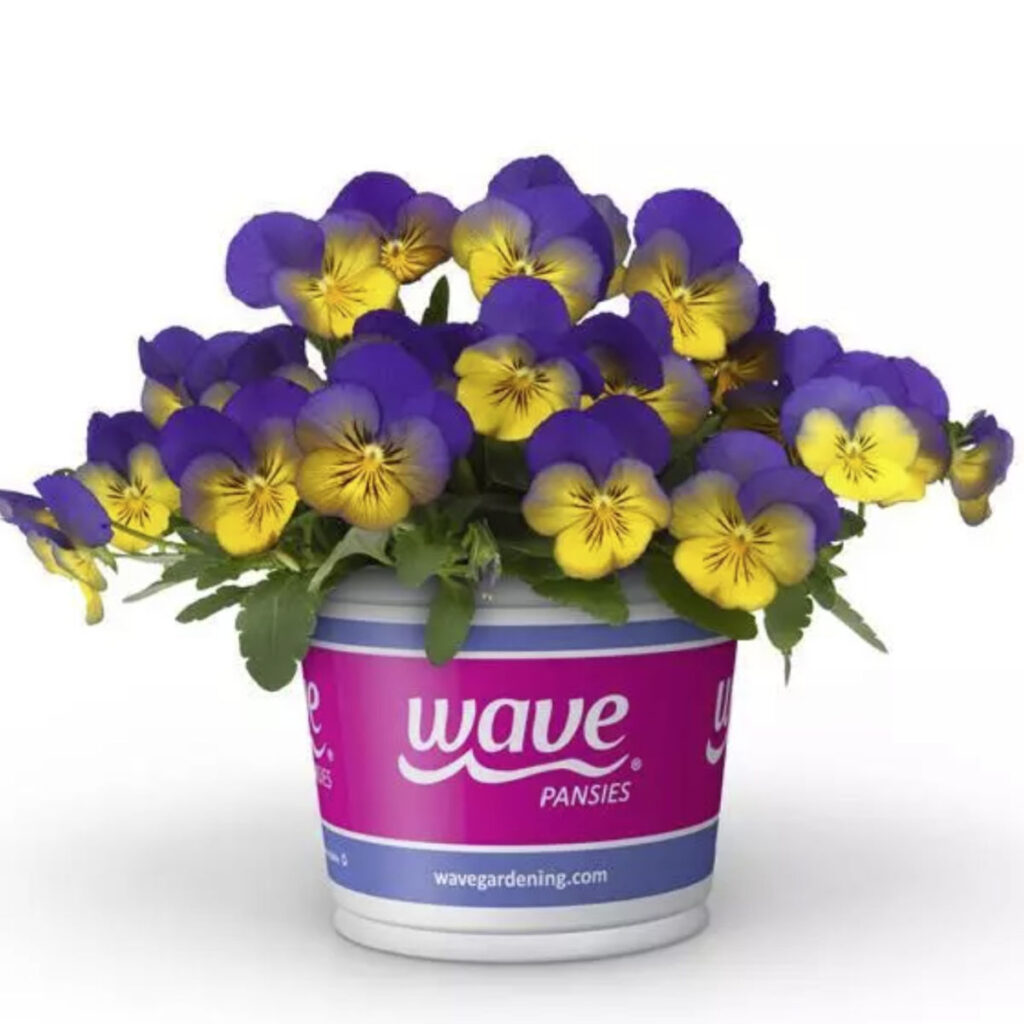
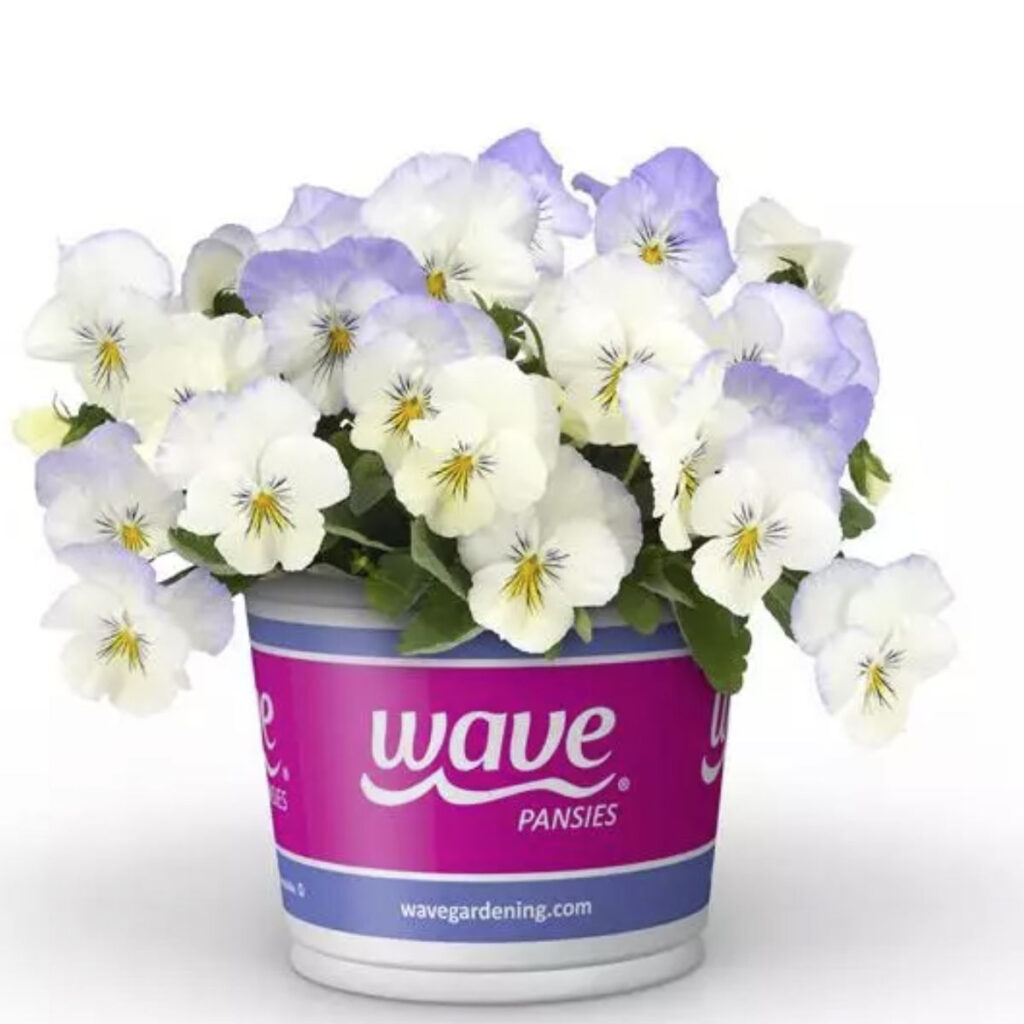
Cool Wave Pansies
One variety I’ve had wonderful success with is the Cool Wave series.
A few years ago, I was sent some Cool Wave pansies to try in my garden.
They were fantastic!
They went through winter beautifully, and by the following spring they were filling my barrels with flowers. In fact, they kept growing so well that I ended up planting my summer petunias around them rather than pulling them out.
Cool Wave pansies have a spreading, trailing growth habit, making them especially attractive for hanging baskets, window boxes, and containers.
I liked them so much that I bought seeds to grow more.
Winter Pansies and Violas
You may also find varieties marketed as winter pansies.
These are selected for their ability to perform during colder weather, although their success still depends on your local conditions.
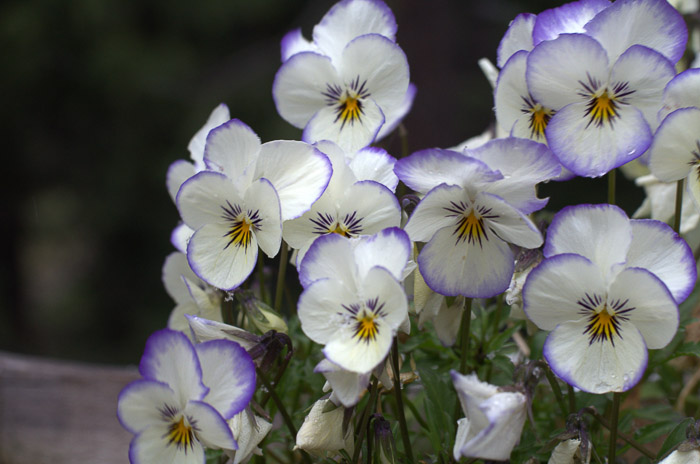
And don’t overlook violas and Johnny-jump-ups!
They’re closely related to pansies, generally have smaller flowers, and many are remarkably resilient.
I enjoy growing both pansies and violas because they each bring something a little different to the garden.
12. Pansy Flowers Are Edible!
Here’s something that surprises some gardeners.
Pansy and viola flowers are edible! You’ve probably seen beautiful cakes or desserts decorated with these colorful little flowers.
They can be used fresh or candied, and they’re also lovely for decorating salads and other dishes. I’ve never actually eaten a pansy myself, but I certainly appreciate how beautiful they look as decorations.
There is one important caution, though.
Don’t assume pansies purchased from a garden center are safe to eat.
Ornamental plants may have been treated with pesticides or other products that aren’t approved for edible crops.
If you want to use pansies in food, grow your own from seed using practices appropriate for edible flowers, or purchase flowers specifically sold for culinary use.
Even candying a flower doesn’t make pesticide residues safe.
But if you know your pansies have been grown safely for eating, they’re another fun way to enjoy these cheerful little blooms.
My Final Thoughts on Growing Pansies
I hope these tips encourage you to give pansies and violas a place in your garden.
They’re such cheerful little flowers, and I think they deserve more credit for how tough they can be.
Whether you plant them in fall for winter and spring color, or start them in spring where winters are too harsh, the important thing is to pay attention to your own growing conditions.
And don’t be afraid to experiment!
Try a six-pack in a sheltered corner of your garden. Plant a few in a window box. Or tuck some violas into the front of a flower border and see whether they decide to reseed.
You might discover that pansies are even more versatile than you thought.
Sometimes the best gardening lessons come from simply trying something and seeing what happens.
Happy gardening!
Hi, I’m Pamela
With 45 years of hands-on gardening experience, I love sharing practical tips, proven techniques, and inspiration drawn from my own gardens. My goal is to nurture your confidence, spark your passion, and help make every step of your gardening journey more enjoyable.