10 Things You Need to Know About Growing Echinacea (Coneflowers)
I used to think echinacea was just one of those flowers everyone grows… and I never gave it much thought.
It seemed dependable, yes—but a little ordinary.
But the more I’ve grown it in my own garden, the more I’ve realized something surprising…
It’s actually one of the most misunderstood perennials out there.

This post contains affiliate links. If you make a purchase after clicking a link I may make a small commission at no cost to you.
And if you grow it just a little differently—if you stop over-helping it, choose the right types, and let it do what it naturally wants to do—it becomes one of the easiest, most rewarding flowers you can have.
In fact, a few small shifts can mean the difference between a plant that just survives… and one that absolutely thrives.
I put together a video walking through the 10 things I’ve learned (some the hard way), and I think a couple of these might surprise you.
If you prefer to read, I’ve also broken everything down below so you can come back to it anytime while you’re out in the garden.
There’s something about echinacea that feels like summer settling in for a long, comfortable stay.
They stand tall, unfussy, and quietly reliable—blooming through heat, drought, and neglect as if they have something to prove (and they usually do).
If you’ve ever wanted a flower that gives more than it asks, echinacea might just be it.
Here are 10 things you need to know before you grow them.
If you’re just getting started, you may also want to read my full guide on how to grow echinacea…
🌼 1. Echinacea Loves Tough Conditions
If your soil is less-than-perfect, don’t worry—echinacea prefers it that way.
- Thrives in poor to average soil
- Loves full sun (6+ hours daily)
- Handles heat and drought like a champion
👉 In fact, overly rich soil can make plants floppy and reduce flowering.
This is one of those plants where doing less actually gives you more.
🌿 2. They Are Perennials That Keep Coming Back
Once established, echinacea returns year after year with very little effort.
- Hardy in USDA Zones 3–9
- Gets better each season
- Forms larger clumps over time
In my garden, they’re one of those “plant once and enjoy for years” flowers, which is always a win when you’re gardening on a budget.
🐝 3. Pollinators Absolutely Love Them
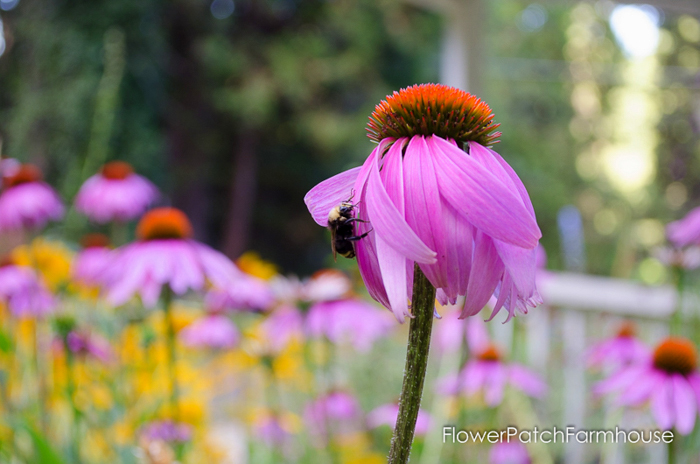
Echinacea is a magnet for life.
- Bees flock to the open centers
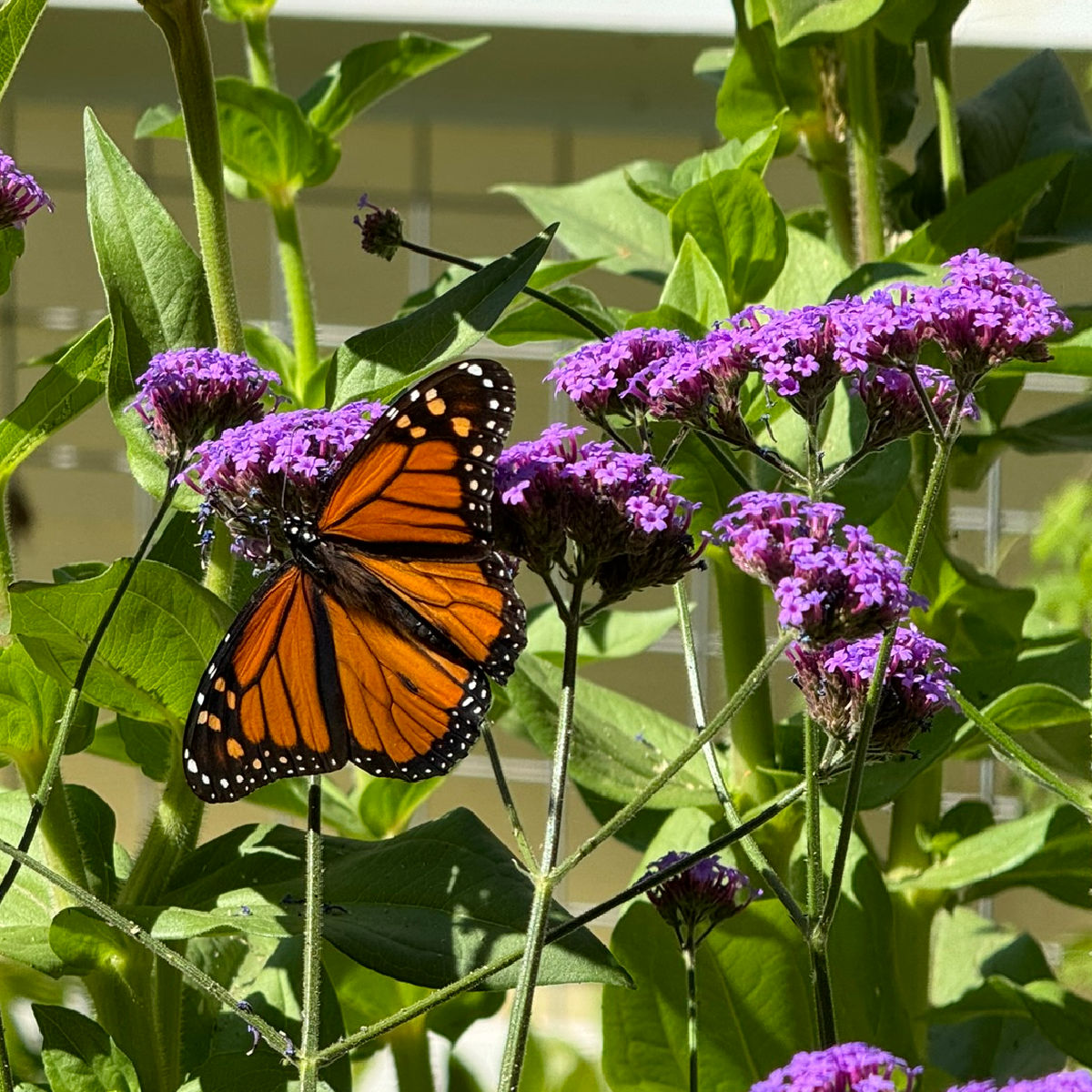
- Butterflies visit all summer
- Birds (especially goldfinches) love the seeds
👉 Leave the seed heads in fall and winter—you’ll get free bird feeding and natural garden charm.
💧 4. They Don’t Need Much Water
After the first season, echinacea becomes very drought-tolerant.
- Water regularly when newly planted
- After that, only water during prolonged dry spells
This makes them perfect for:
- Low-water gardens
- Hot climates
- Busy gardeners who forget to water (we’ve all been there)
✂️ 5. Deadheading = More Blooms
If you want continuous flowers, a little trimming goes a long way.
- Remove spent blooms to encourage more flowers
- Or leave some to form seed heads for birds
👉 I usually do a mix—deadhead early in the season, then let the later blooms go to seed.
Deadheading for Maximum Bloom
🌱 6. They Can Be Grown From Seed (But Be Patient)
Echinacea grows well from seed, but it takes a bit of time.
- May take 2 years to bloom from seed
- Benefits from cold stratification
- Perfect for winter sowing
👉 This is one of the most budget-friendly ways to fill your garden.
Grow Echinacea from Seed!
🌸 7. Not All Echinacea Are Created Equal
There are a lot of different varieties—and they don’t all behave the same.
- Native types (like purple coneflower) are long-lived
- Fancy hybrids can be shorter-lived
- Some newer varieties don’t reseed well or at all
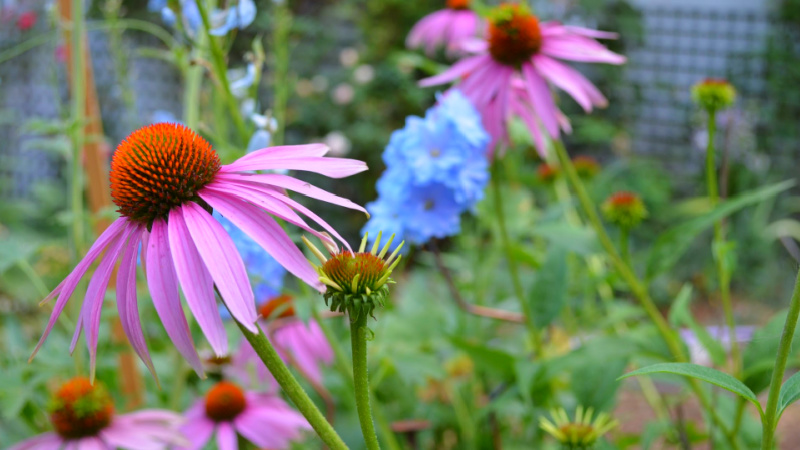
👉 If you want reliability, stick with the classic purple varieties. But I have had some beautiful hybrid echinacea in my garden too that are still going strong. Many seed-grown ones are doing great as well.
Examples: Powwow Wildberry, Katie Saul also known as Big Summer Sky, White Swan, and more.
🌿 8. They Don’t Like to Be Moved
Echinacea develops a deep taproot.
- Transplanting mature plants can be tricky
- Best to plant them where you want them to stay
👉 If you do need to move them, do it when they’re young or very early in spring.
I have moved them quite effectively in the fall and spring. Experiment, there is no set rule, just guidelines!
👉I have moved and divided them quite well, as you can see here.
🌾 9. Leave Them Standing in Winter
This is one of my favorite things about echinacea.
- Seed heads add winter interest
- Feed birds
- Provide structure in a dormant garden
👉 It’s a beautiful reminder that a garden doesn’t need to be “clean” to be lovely.
🌺 10. They Play Well With Other Cottage Garden Plants
Echinacea blends beautifully into a relaxed, layered garden.
Try pairing with:
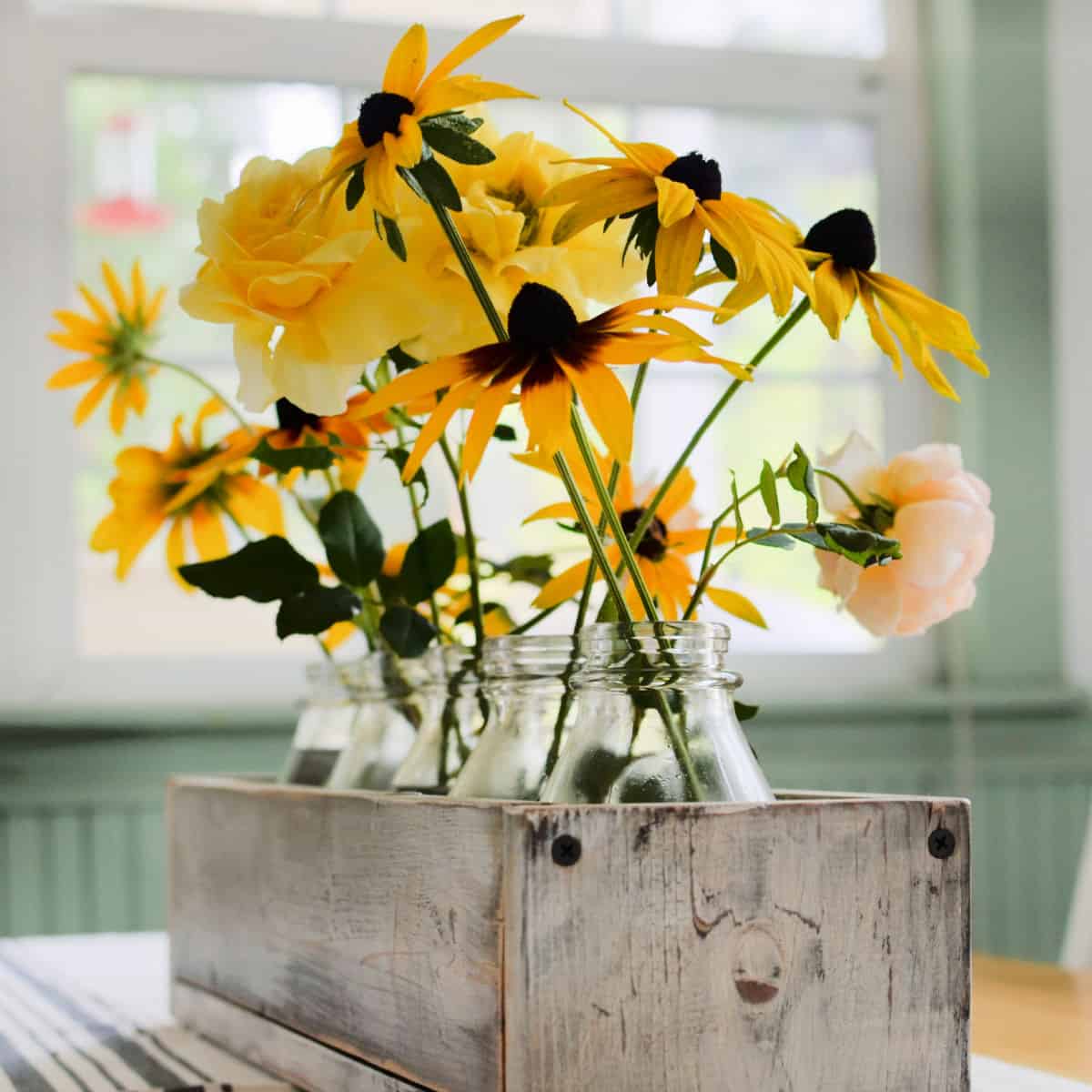
- Black-eyed Susans
- Salvia
- Yarrow
- Cosmos
- Verbena bonariensis
- Ornamental grasses
They bring that effortless, slightly wild look that cottage gardens do so well.
🌿 Final Thoughts
If I had to choose a flower that asks very little and gives so much back, echinacea would be near the top of the list.
It’s steady. It’s generous. And it fits perfectly into a garden that isn’t about perfection—but about enjoyment.
And truly, that’s the kind of garden worth growing.
I wish you a happy Gardening Season!
Hi, I’m Pamela
With 45 years of hands-on gardening experience, I love sharing practical tips, proven techniques, and inspiration drawn from my own gardens. My goal is to nurture your confidence, spark your passion, and help make every step of your gardening journey more enjoyable.