How to Grow Annabelle Hydrangea in Your Garden
Annabelle hydrangea (Hydrangea arborescens) is a popular choice for many gardeners, thanks to its stunning, large white flowers that light up the garden from early summer through fall.
Whether you’re a seasoned gardener or just starting, this guide will help you grow Annabelle hydrangeas successfully in your home garden.
This post contains affiliate links. If you make a purchase after clicking a link I may make a small commission at no cost to you.
Understanding Annabelle Hydrangea
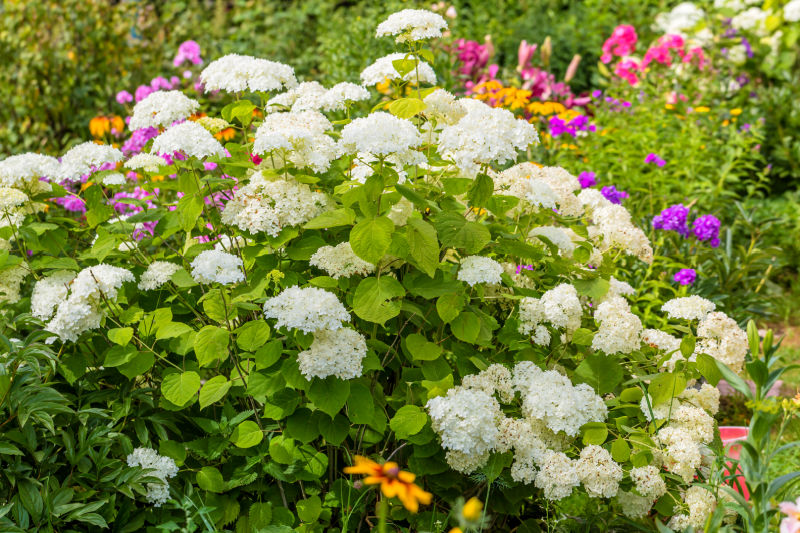
Annabelle hydrangea, known scientifically as *Hydrangea arborescens* ‘Annabelle’, is cherished for its massive, round flower heads reaching up to 12 inches in diameter.
It’s a hardy plant, thriving in USDA zones 3-9, making it suitable for a wide range of climates. Annabelle’s versatility allows it to be used in various garden settings, whether as a standout focal point, along borders, or in mixed shrub plantings.
The Annabelle hydrangea shrub blooms on both old wood and new wood. They are in the smooth hydrangea family.

Annabelle Hydrangeas have a longer bloom time than the panicle hydrangeas. So if you, like me, have a short growing season adding one or more to your garden will give you those big, blousy blooms earlier in the season.
Choosing the Right Location for Annabelle Hydrangeas
Selecting the proper location is important for the success of your Annabelle hydrangea. For best results plant in partial shade (afternoon shade) in hotter areas and especially in southern regions.
It can tolerate full sun in cooler climates if given adequate moisture during the summer months. The soil should be well-draining and rich in organic matter, with a slightly acidic to neutral pH. (don’t overstress on soil ph)
Annabelle hydrangeas do not change color in different soil types like the macrophilia can.
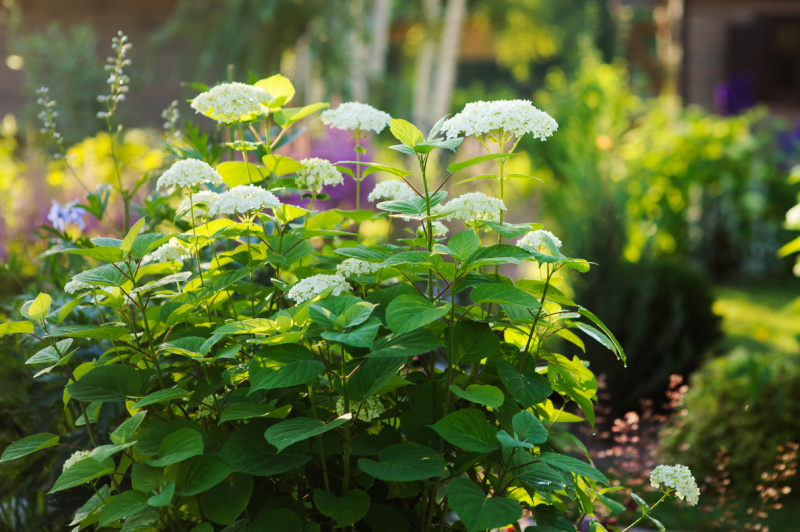
When planting, consider the mature size of the hydrangea, which can reach up to 5 feet in both height and width, ensuring there’s ample space for it to flourish.
You can also keep it to a smaller width with judicious pruning if you wish.
Planting Annabelle Hydrangea
The ideal times to plant Annabelle hydrangeas are in spring or fall, when temperatures are milder. Start by digging a hole twice the width of the root ball but no deeper.
If your soil needs improvement, many will tell you to mix in some compost or other organic matter. I share why I don’t do that and what to do instead.
Stop Amending Planting Holes
Place the hydrangea in the hole so that the top of the root ball is level with the ground, then backfill with soil and water thoroughly to settle the roots. For spacing, plant each hydrangea 3 to 5 feet apart to allow room for growth.
Do not add soil amendments at the time of planting, top dressing with compost or a nice bark mulch instead.
Caring for Your Annabelle Hydrangeas
Annabelle hydrangeas thrive with consistent moisture, particularly during their first year. Aim to keep the soil evenly moist, and during dry spells, water deeply once a week.
To support healthy growth and abundant blooms, apply a balanced, slow-release fertilizer in early spring. (I prefer compost) Be cautious not to over-fertilize, as too much nitrogen can result in lush foliage at the expense of blooms.
Mulching with a 2-3 inch layer around the base helps retain moisture and suppress weeds, benefiting the overall health of the plant.
Mulch for a Healthier Garden
Pruning Annabelle Hydrangea
Pruning is key for maintaining the health and beauty of your Annabelle hydrangea. The best time to prune is in late winter or early spring, just before new growth begins. (see how I must prune and when a bit further on)
Cut back the stems to about 12-18 inches from the ground to encourage larger blooms. Additionally, remove any dead or damaged wood.
You can leave the stems longer, in fact, you can not prune at all if you wish. Pruning helps the stems become stronger and encourages healthy new growth.
For rejuvenation, consider cutting the entire plant back to the ground every few years. This practice helps keep the plant vigorous and promotes the production of strong, healthy stems.
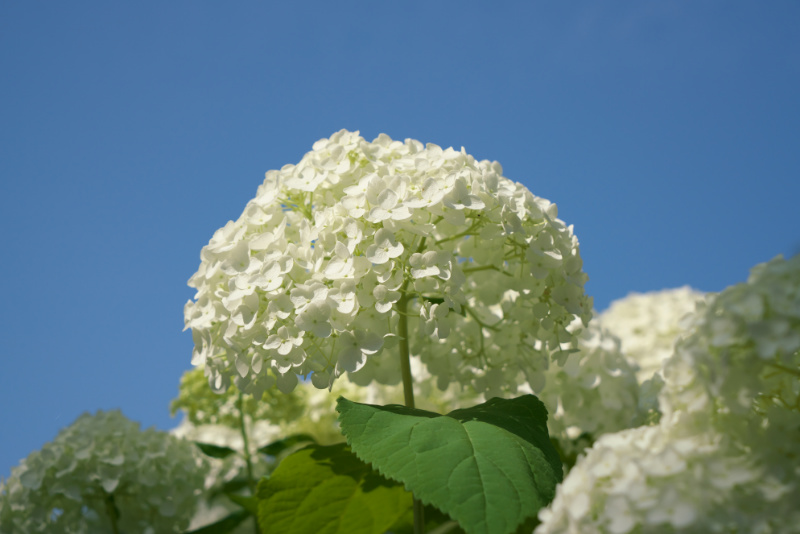
Being the maverick gardener that I am, I prune back my hydrangeas that bloom on new wood in the Fall. Our very heavy, wet snows tend to smash them to the ground and make the plant splay out rather than grow upright.
By pruning back in Fall there are no stems for the snow to crush and malform.
This has worked for me for years with many plants including my Butterfly Bushes.
This is one of the reasons I encourage you to garden for your local circumstances and not worry about sticking to the rules you read online. There is no one-size-fits-all all in gardening.
Common Issues and Solutions
While Annabelle hydrangeas are generally low-maintenance, they can face some challenges. Pests such as aphids and spider mites, along with diseases like powdery mildew, can occasionally affect the plant.
Regularly inspect your hydrangeas and address any issues promptly with appropriate treatments. For me, the 3 in 1 neem oil based sprays work well.
In colder climates, protect the roots by applying a thick layer of mulch around the base of the plant in late fall. If your hydrangea isn’t blooming well, check your pruning practices and ensure you aren’t over-fertilizing with nitrogen-heavy products.
One warning I wish to give you is some say that these hydrangeas will spread by underground runners in their gardens and have found them to be a bit of a bully. If you are worried about that then keeping them in a large container would work well.
Heavy summer rains can cause the flowers to flop to the ground so staking or giving them support is recommended if you live in areas that get precipitation during the summer months.
Various Supports for Your Plants
Companion Planting Ideas
To create a beautiful garden design, you can pair Annabelle hydrangea with shade-loving perennials like hostas, ferns, and astilbes.
These companions complement the hydrangea’s blooms and add texture to the garden and won’t mind being shaded by the branches.
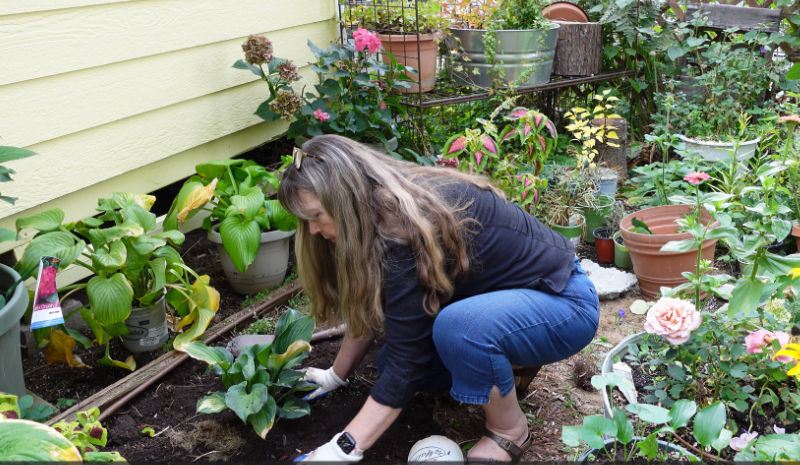
Also, consider planting early spring blooming plants to bring color before your Annabelle hydrangeas have filled in. Bulbs, spring annuals, like pansies, violas, forget-me-nots, and nepetas.
Evergreen shrubs can provide year-round interest, while other hydrangea varieties can create a beautiful display of color and form. Personally, I am on the lookout for a lovely blue lace-cap variety.
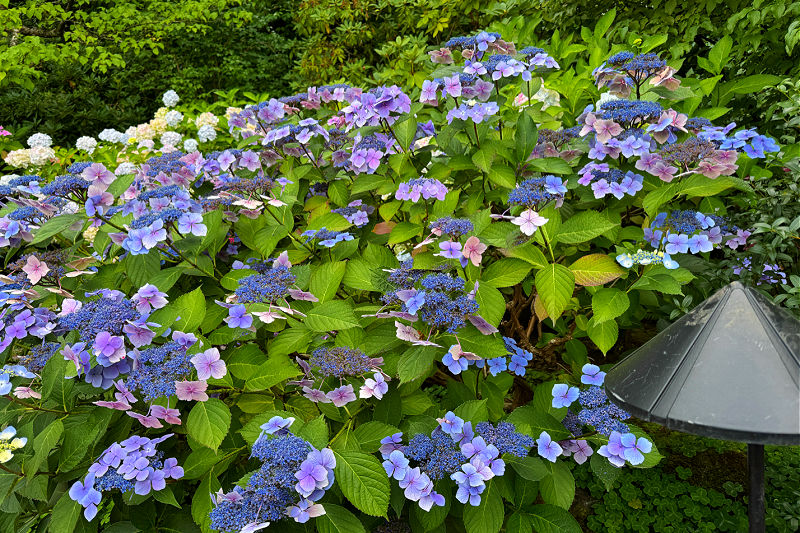
Since the white blooms of Annabelles will not clash with other colors they will pair well with many other blooms in your flower garden, the choices are endless.
Currently I am developing a new garden area with all blue and white flowers. Annabelle Hydrangeas may be a huge feature of this new border. But who knows, maybe I will create a hedge in the side garden to create some privacy from the road.
All I know is growing Annabelle hydrangea is a rewarding experience that adds elegance and charm to any garden. By following the steps outlined in this guide, you’ll be well on your way to enjoying the spectacular blooms of this classic garden favorite in your garden!
Whether you’re designing a new garden bed or enhancing an existing one, Annabelle hydrangeas are sure to make a stunning addition.
Feel free to share your experiences with growing Annabelle hydrangeas in the comments below! I am always looking for helpful hints.
Happy gardening!
Hi, I’m Pamela
With 45 years of hands-on gardening experience, I love sharing practical tips, proven techniques, and inspiration drawn from my own gardens. My goal is to nurture your confidence, spark your passion, and help make every step of your gardening journey more enjoyable.