Why I Always Break This Garden Rule (And Why It Works Every Time)
After nearly 50 years of gardening, I’ve learned that some of the most common gardening rules are made to be broken. One in particular has shaped the look and feel of my garden more than any other:
? I overplant.
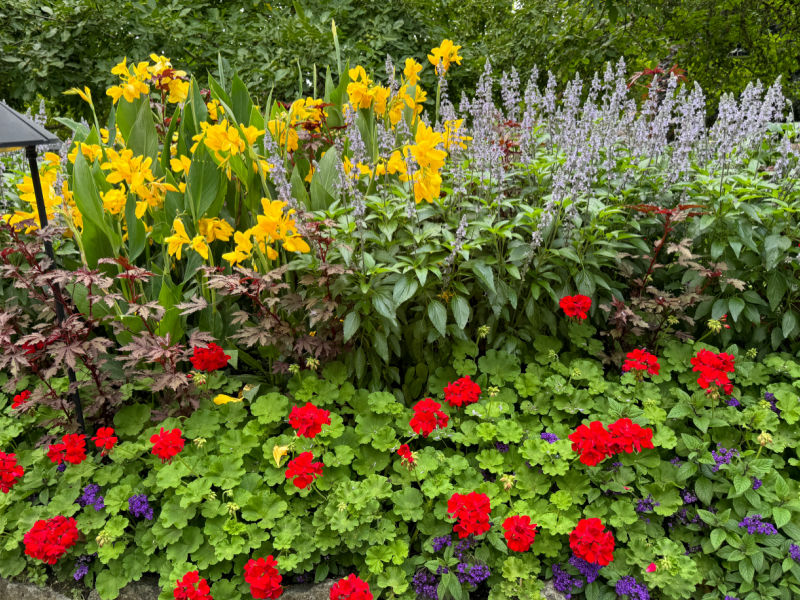
That’s right—I deliberately plant my flowers and perennials closer together than the plant tags recommend. While most experts warn against it, I’ve found overplanting brings instant beauty, healthier soil, fewer weeds, and long-term success in my Northern California mountain garden.
Let me show you why this “rule-breaking” method has worked for me year after year.
What Is Overplanting?
Overplanting means placing plants closer together than the standard spacing guidelines suggest. While tags may say a plant needs three feet to spread, I’ll often tuck them in just a foot apart. At first glance, it may seem like I’m setting myself up for problems—but the results prove otherwise.
Why I Overplant in My Garden
1. Instant Color and Cottage-Garden Charm
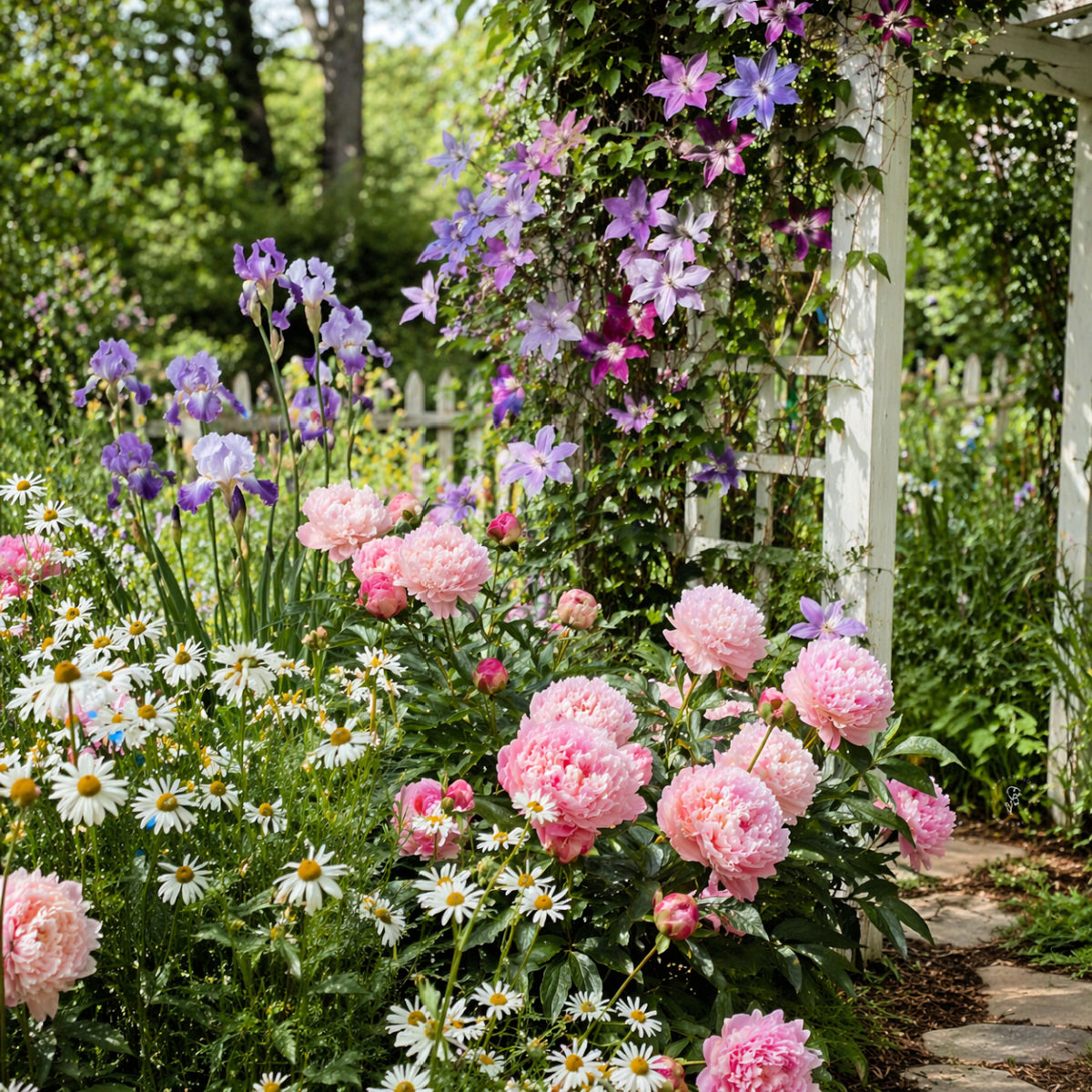
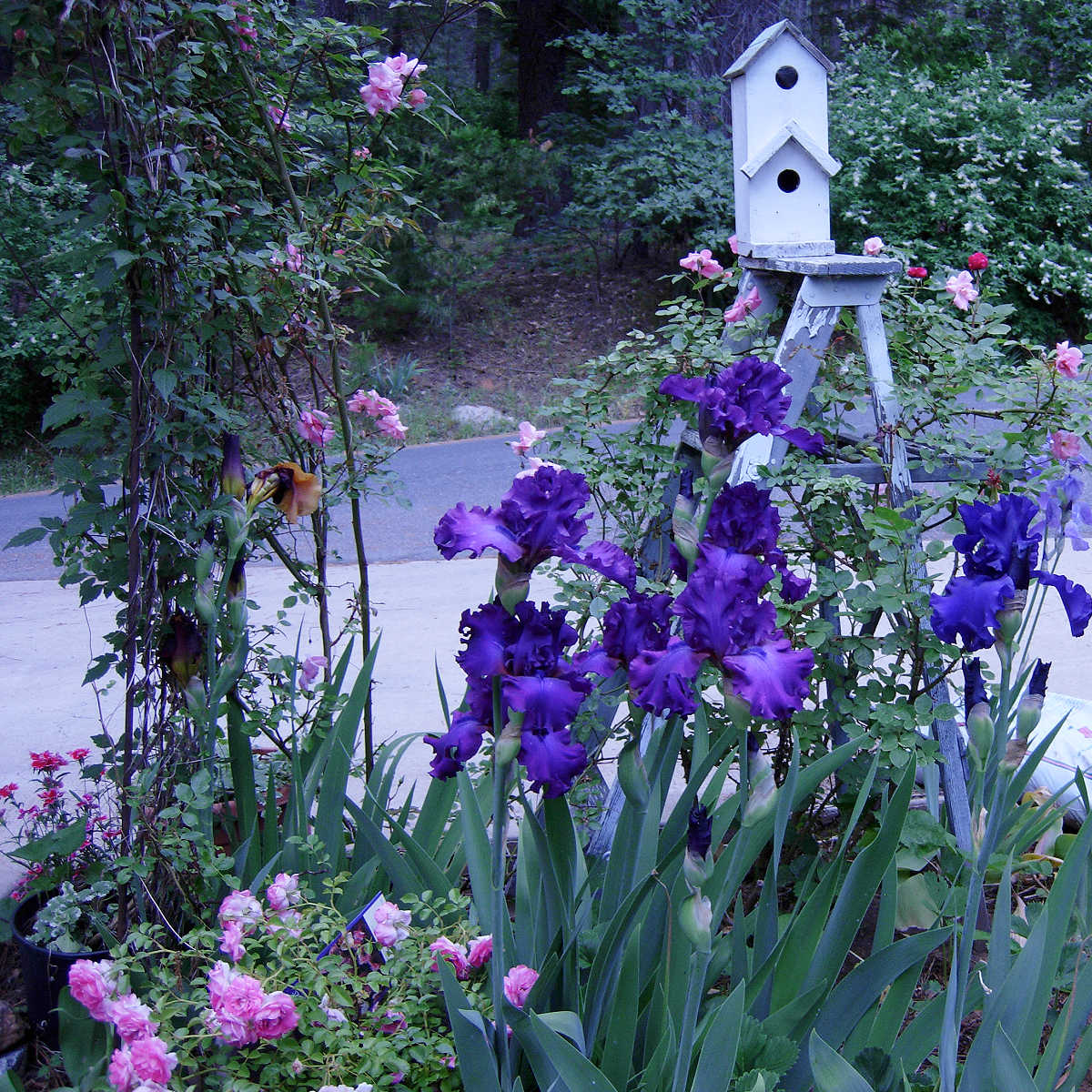
When I first started gardening seriously, I noticed how black-eyed Susans, coneflowers aka Echinacea, and daisies reseeded themselves freely and grew tightly packed without issues. The result? A lush, layered look that reminded me of classic cottage gardens. Overplanting gives me that same instant fullness without waiting years for perennial plants to mature.

2. Built-In Weed Control
One of the biggest benefits of overplanting is weed suppression. When plants are close together, sunlight can’t reach the soil as easily. That means weeds like oxalis struggle to germinate—or at least stay hidden until they’re big enough to pull easily. My garden beds stay beautiful and manageable with much less effort.
Weeds are an inevitable part of gardening—you’ll never eliminate them completely. Birds drop seeds, the wind carries them in, and even a simple walk through your garden can introduce new ones. So why fuss over it? Just do what you can and be content.
3. Healthier Soil and Less Water Loss
Many gardeners worry that crowded plants will fight for nutrients and water. In my experience, the opposite is true. Dense planting shades the soil, reducing evaporation, and I keep the soil rich with composted turkey manure, chicken bedding, and organic mulch. With drip irrigation, my perennials stay healthy and drought-tolerant.
Note: I have found that, once established, many perennials require significantly less water than most people think.
Note: Discover How to Build Healthy Soil for Healthy Plants
4. Flexibility with Dividing and Transplanting
Overcrowding isn’t a problem—it’s an opportunity. Perennials like coneflowers and daisies often need dividing every few years anyway. By planting them closer, I can later dig, divide, and spread them into new garden beds, gift them to friends, or even sell extras at a plant sale.
Related: Dividing Hardy Geraniums
5. Thriving Despite Tough Conditions
My garden is surrounded by tall evergreens, so I’m constantly battling for sunlight. By overplanting, I can test which plants adapt best in my sometimes shady, mountain-zone 8b conditions. If a plant struggles, I simply move it elsewhere while still enjoying a full, colorful garden in the meantime.
Roses and Overplanting
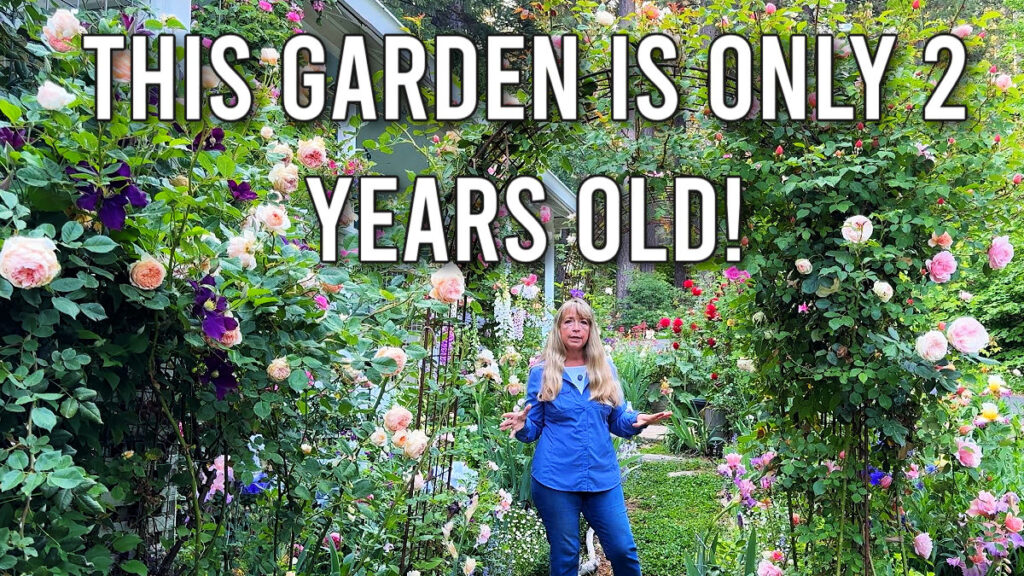
Even roses benefit from closer spacing. When I bought David Austin roses, I learned that planting three of the same variety 18 inches apart in a triangular pattern creates a full, breathtaking display. On my rose arbors, I plant them close together too—and within just two years, my Rose Alley transformed into a lush, blooming paradise.
But What About Fungal Disease?
Many worry that crowding causes poor airflow and fungal problems. That can be true in humid regions, but in my dry Northern California summers, it hasn’t been an issue. If a plant does start to sprawl or block airflow, I simply prune it back. Garden care doesn’t need to be complicated.
The Biggest Lesson: Experiment in Your Own Garden
Overplanting may not be for everyone or every climate. But after decades of trial and error, I’ve found it’s the secret to fast, full, low-maintenance gardens. Whether you’re starting a new bed or refreshing an old one, try planting closer than the tag suggests. You might be surprised at how well it works for your conditions.
Final Thoughts
Gardening isn’t about rigid rules—it’s about creating beauty in a way that works for you. For me, breaking the “no overplanting” rule has brought more blooms, fewer weeds, and instant charm to every garden space I’ve grown.
So here’s to breaking the rules, experimenting, and enjoying the process. Your garden is yours—let it thrive your way.
Hi, I’m Pamela
With 45 years of hands-on gardening experience, I love sharing practical tips, proven techniques, and inspiration drawn from my own gardens. My goal is to nurture your confidence, spark your passion, and help make every step of your gardening journey more enjoyable.