Water Saving Ollas
Using Ollas aka Olla Pots in Your Garden
Are you tired of constantly watering your garden and still seeing your plants wilt? Maybe you need to cut back on water even more even though you have a drip system. Discover the ancient technique of ollas also known as olla pots!
These unglazed clay pots have been used for centuries in arid regions like Latin America, Northern Africa, and the Middle East to provide consistent and efficient irrigation.
In this blog post, we’ll dive into what olla pots are, how they work, and how you can use them to create a more sustainable garden.
This post contains affiliate links. If you make a purchase after clicking a link I may make a small commission at no cost to you.
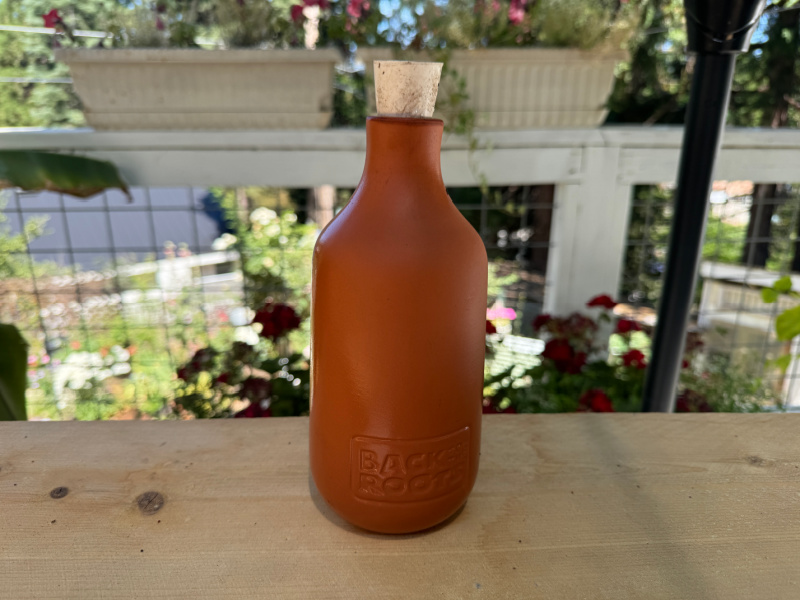
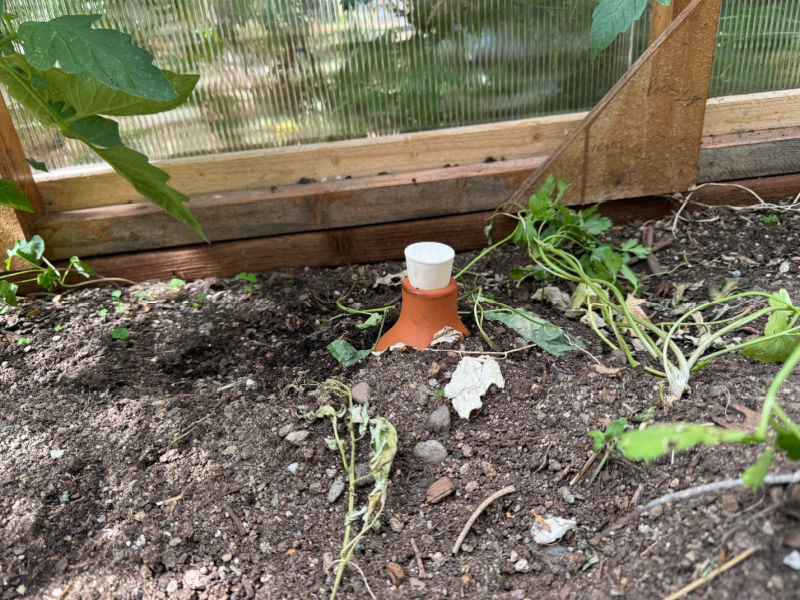
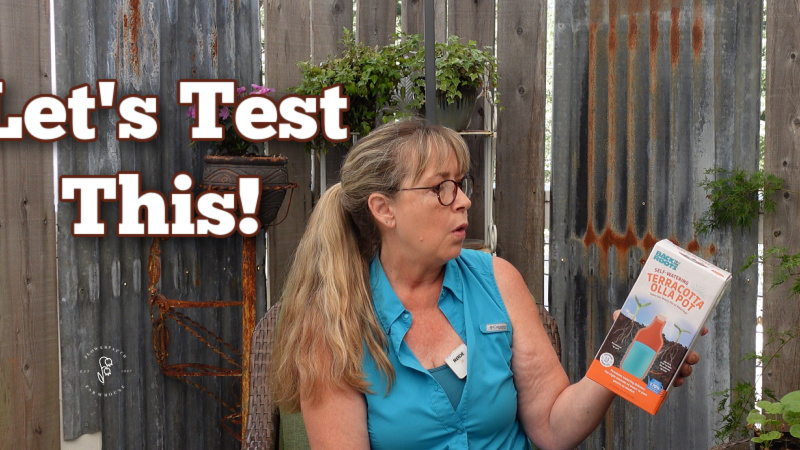
These are the ollas I just bought and are using in my Bespoke Greenhouse! So far they are excellent. I bought 3 to start with and now I just ordered more to use in containers.
See this video for more on our DIY Bespoke Greenhouse anyone can build.
What Are Olla Pots?
Olla pots are a simple yet effective method of irrigation that dates back thousands of years. These clay pots are buried in the ground with just their necks exposed.
The porous nature of the unglazed clay allows water to seep slowly into the surrounding soil, providing steady moisture to plant roots. The traditional shape of the olla is rather like an upside-down, old-fashioned light bulb but when I did an online search I found different shapes and types of ollas.
Find It At Territorial Seed Company
Originating from ancient civilizations across the globe, olla pots have proven their worth in both arid and temperate regions. They became less known with the introduction of drip irrigation.
The use of ollas is gaining popularity again as gardeners seek sustainable ways to conserve gallons of water and support plant health.
In the past, I have used wine bottles with a terra cotta spike called a Plant Nanny and to make them prettier I even painted the bottles!
Painted Wine Bottles and Plant Nannys
How Ollas Work
Olla irrigation functions through the principle of capillary action. As the soil around the pot dries out, it draws water from the walls of the ollas, this is called soil moisture tension, ensuring a slow and steady release of moisture.
This process uses less water by targeting the roots of plants directly, promoting healthier plant growth.
The key advantage of olla pots lies in their ability to conserve water. By reducing evaporation and runoff, they make the most of every drop.
Additionally, they encourage deeper root growth by providing consistent moisture, leading to stronger and more resilient garden plants. Often you will find the roots have grown towards and maybe even around the olla pot.
Choosing the Right Garden Olla Pots
Selecting the appropriate olla pots for your garden is essential for maximizing their effectiveness. Consider the following:
Size:
Choose small ollas for container gardens, medium ones for vegetable beds, and larger ollas for extensive plantings.
Ensure the pot size matches the area you intend to irrigate. Usually, the packaging or product description will tell you how much of an area it will cover.
Remember, soil type will have a bearing on how often you may need to refill.
Material:
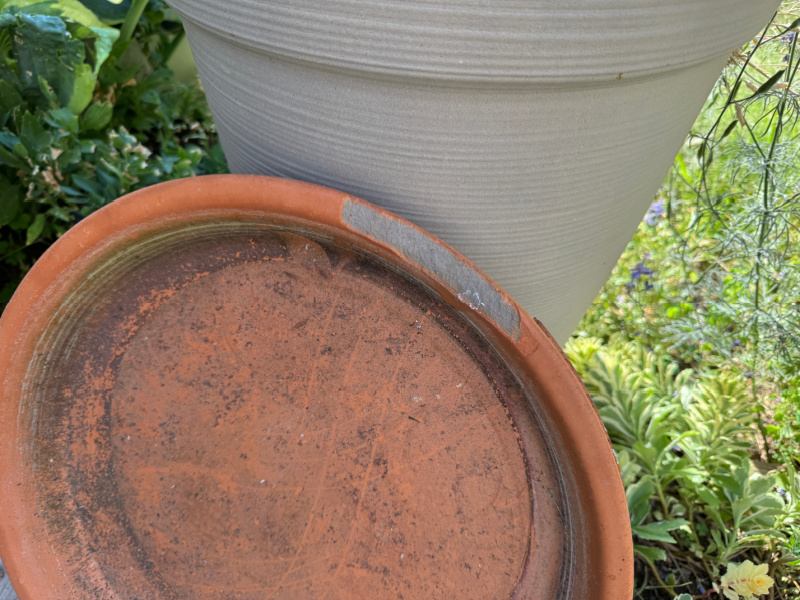
If you want to try and DIY ollas then use unglazed, porous terra cotta clay pots. Glazed or painted pots will not allow water to seep through effectively.
Unglazed terracotta pots used for planting are usually fired at high temps whereas ollas are fired at low temps. This may or may not affect the release of moisture to surrounding plants. Just FYI in case you decide to make your own ollas.
Also, another caveat, I have found that some pots sold as terracotta are of cheap concrete-looking material with a terracotta coating, these do not have the same porous nature as the real clay pots.
Placement:
At the beginning of the growing season, position olla pots within the proximity of the plant roots as recommended by the size of the ollas and bury them deep enough so only the neck is exposed.
The proper burying ensures efficient water delivery and minimizes water loss through evaporation. This will also help keep small animals from disturbing them.
How to Use Ollas in Your Garden
To effectively integrate olla pots into your garden, follow these steps:
1.Prepare the Ollas:
Soak the olla pots in water for a few hours before use to saturate the clay and enhance water release.
I just installed some and the instructions did not tell me to pre-soak so this may not be necessary, but you should follow the directions for your ollas.
2. Dig Holes:
Create holes deep enough to bury the pots with only their necks above the soil.
3. Position and Fill:
Place the pots in the holes, fill them with water, and cover the necks to prevent debris from entering. Keep in mind your water source for filling, you want it to be convenient.
4. Planting:
Arrange plants around the pots, ensuring their roots are within the moisture radius. Adding mulch can help reduce evaporation and maintain soil moisture, especially in sandy soils.
Maintaining Your Olla Pots
Proper maintenance ensures the longevity and efficiency of your olla pots:
Monitor Water Levels:
Regularly check the water level and refill the pots, especially during dry spells.
Clean Periodically:
Clean the pots to prevent sediment and algae buildup. A gentle scrub with a brush can keep them functioning well.
I plan on cleaning mine as I dig them up for winter storage but if you have very hard water you may wish to check them more frequently. Hard water can build up and clog the pores of the ollas.
Inspect for Damage:
Check for cracks or damage and replace any compromised pots promptly. This is easily done when you clean them.
Advantages of Using Ollas
Olla pots offer numerous benefits for gardeners:
Water Efficiency:
They significantly reduce water usage by delivering moisture directly to plant roots instead of the soil surface.
Healthier Plants:
Consistent moisture promotes deeper root growth and healthier plants. Perfect for both flower and vegetable gardens.
Eco-Friendly:
Made from natural materials and reducing the need for frequent watering, they support sustainable gardening practices.
Potential Drawbacks and Solutions
While olla pots are effective, they come with a few challenges:
Initial Cost: Olla pots may have a higher upfront cost compared to other watering methods. The larger ones in particular can be costly but remember, many of these are handmade but they can be used for a very long time.
Space: Some claim that the larger containers take up precious space in small gardens.
Availability: Finding the right type and size of olla pots might be difficult in some regions. I found many places sold out of the large olla containers.
Solutions include:
DIY Olla Pots:
Make your own using unglazed terracotta pots. Many online tutorials can guide you through the process.
I plan on creating some myself and will share them here on the blog. Be sure to subscribe to my email newsletter and you will be informed when I post that.
I will be sure that what I use is actual terracotta and not faux.
Olla pots provide an ancient, effective solution for modern gardeners seeking to conserve water and promote plant health. By understanding how to choose, use, and maintain olla pots, you can transform your garden into a more easy care and sustainable space.
Have you tried using olla pots in your garden?
If you’re new to gardening, give olla pots a try and see the difference they can make. For more eco-friendly gardening tips, explore our other blog posts and resources.
Happy Gardening!
Hi, I’m Pamela
With 45 years of hands-on gardening experience, I love sharing practical tips, proven techniques, and inspiration drawn from my own gardens. My goal is to nurture your confidence, spark your passion, and help make every step of your gardening journey more enjoyable.