17 Perennials That Thrive in Containers with Little Care
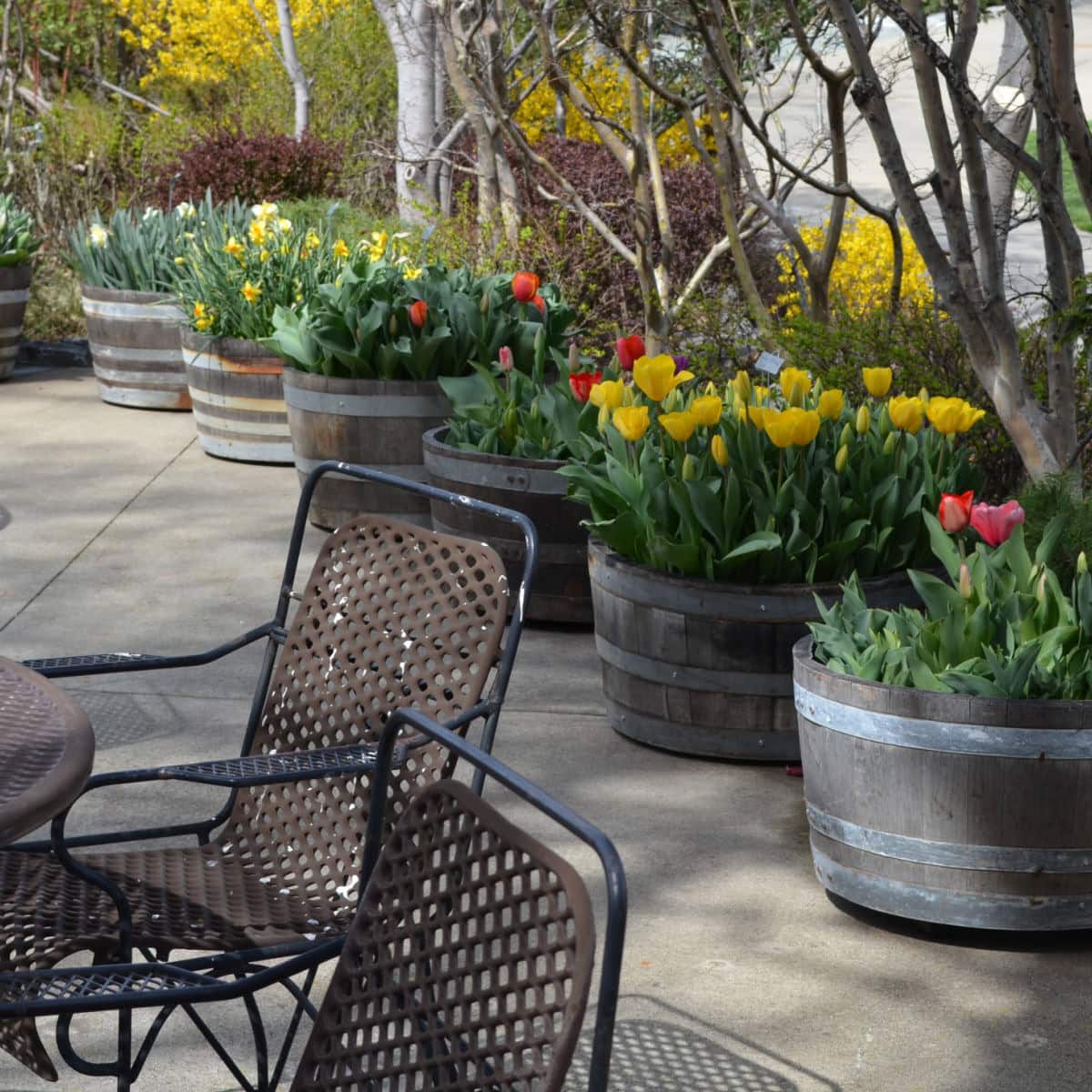
One of the questions I get asked a lot is, “What are the best low-maintenance container plants?” I get it—gardening should be enjoyable, not another chore on your to-do list. The good news is, there are plenty of plants that thrive in pots with very little fuss, and they’ll reward you with beauty, color, and even fragrance all season long.
Let’s get this straight from the start: the most low-maintenance plants are those that thrive in your local garden conditions. That differs for many. I preach this often, because something that thrives for me does not mean it does for you.
This post contains affiliate links. If you make a purchase after clicking a link I may make a small commission at no cost to you.
Today, I’m sharing 17+ of my favorite low-maintenance container plants, grouped into the classic thriller, filler, and spiller categories. This way, you not only know which plants are easy to care for, but also how to combine them for containers that look amazing with almost no effort.
Also, I have categorized these into the ever-popular formula that many insist is the key to beautiful containers: Thriller, Filler, and Spiller. I don’t follow this formula at all, but I wanted to make this easy for those who prefer to.
Before we dive in, I know some of you might raise an eyebrow at a few of my choices—but this list comes straight from my own hands-on experience, not just something I read online. These days, with AI and all, there are plenty of “gardening experts” writing articles and making videos who have never actually grown a thing themselves. I’ve even seen folks claim they’ve been gardening for 30 years… and yet they can’t even pronounce the common plant names correctly!
Thrillers (Tall, Eye-Catching Plants)
These are your bold, upright plants—the stars of the container.
1. Container Roses
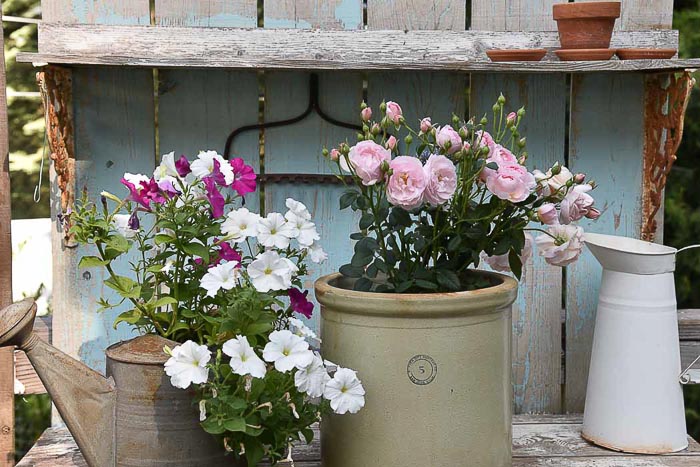
Small shrub, miniature, and patio roses give you that classic beauty without the fuss. With regular sun and a roomy pot, they’ll bloom their hearts out all season.
David Austin roses, Heirloom roses, and others have a category called Roses for Containers, which includes many shrub roses that you can plant either in containers or your garden beds.
I grow quite a few roses in containers, and honestly, I don’t give them any special treatment. I just water them, deadhead them, and feed them like I would any other plant. So I can’t wrap my head around why so many people think roses are high-maintenance!
When I have pest issues, which occur on many plants, not just my roses, I use an organic spray that works in one treatment.
Here are my preferred products to use: Systemica (made from essential oils) and Neem Max. Used according to directions, they work together safely to protect your plants and won’t harm beneficials.
2. Coneflowers (Echinacea)
Tough as nails, echinacea thrives in sun, tolerates dry spells, and blooms for weeks on end. Perfect for adding height and color.
Deadhead coneflowers as needed to keep the blooms coming all season. If you see blooms that don’t have petals, that can be mites. Don’t worry, though; it’s easy to treat with the two products I shared earlier. Cut off the heads that don’t have petals and spray new buds.
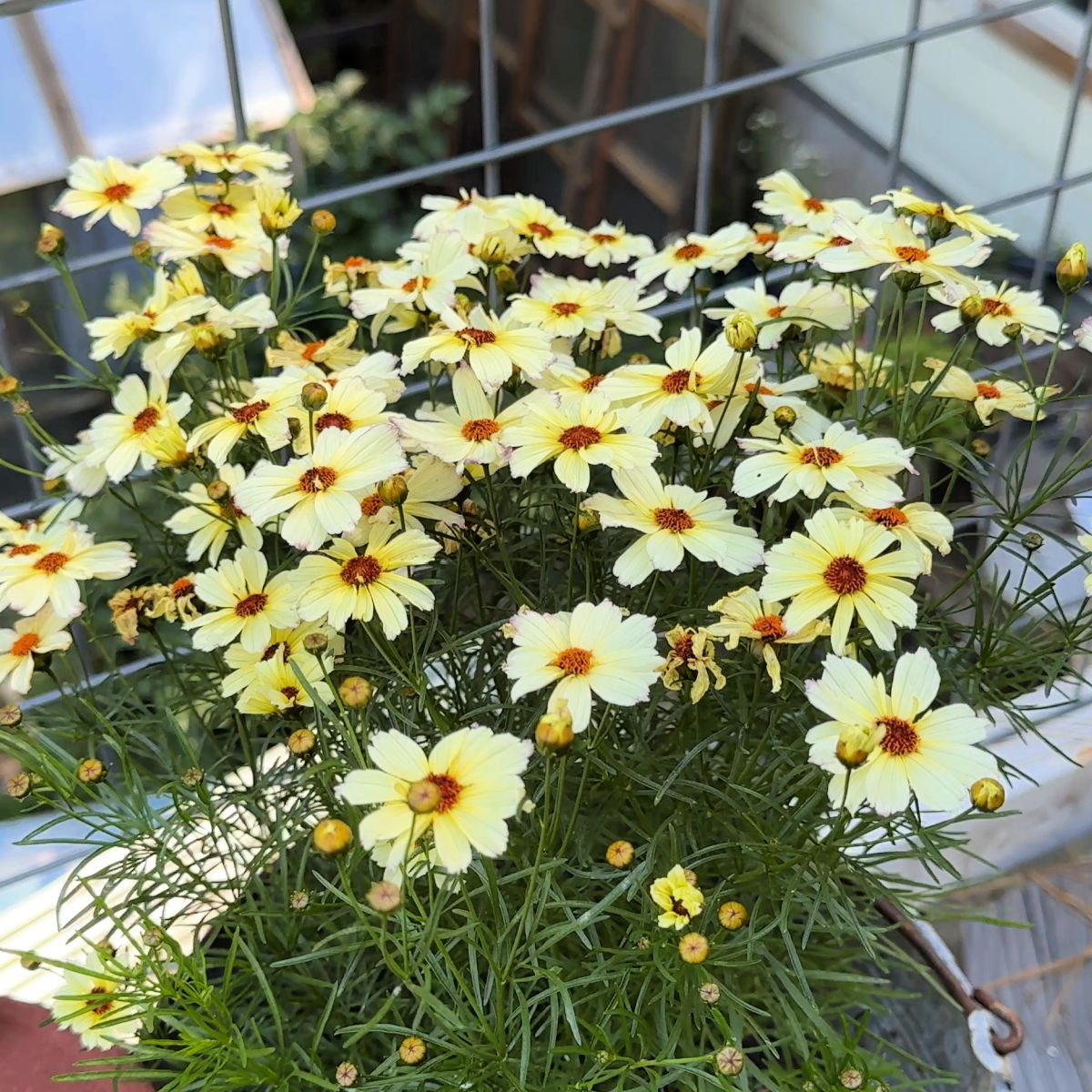
Some coneflowers get very tall but many hybrids stay much shorter, so the choice is yours. And there are shorter varieties like this these:
3. Shasta Daisies
Cheerful, sturdy, and full of bright white blooms, daisies are natural attention-getters in any pot.
In place of daisies, I often use White Sonata Cosmos; it is just as lovely, tends to stay shorter, and blooms much longer with proper deadheading. Cosmos is an annual and not a perennial.
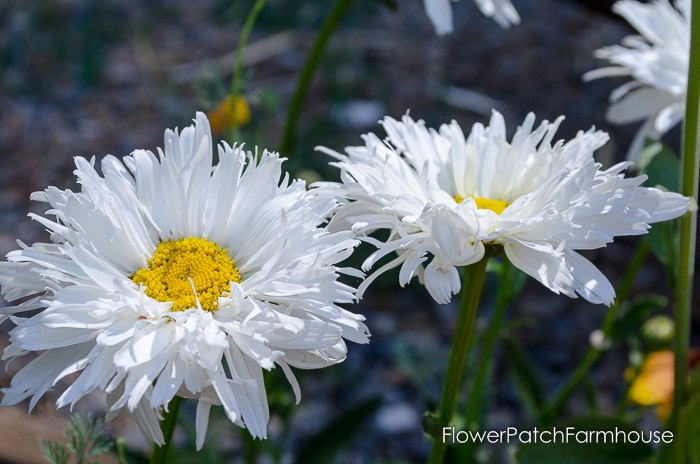
The beauty of Shasta Daisies is that they can spread easily by seed. My favorite is Crazy Daisies.
If you want shorter daisies for your containers, there is a dwarf variety called Silver Princess and another called Snow Cap.
Read all about growing Shasta Daisies here!
4. Salvia
With their upright flower spikes, salvias are true pollinator magnets. They handle heat and drought with ease while providing months of color.
The ones that bloom the longest for me with little care are the Salvia Greggii. Others require more deadheading for continuous blooms. Salvia Greggii comes in various colors.
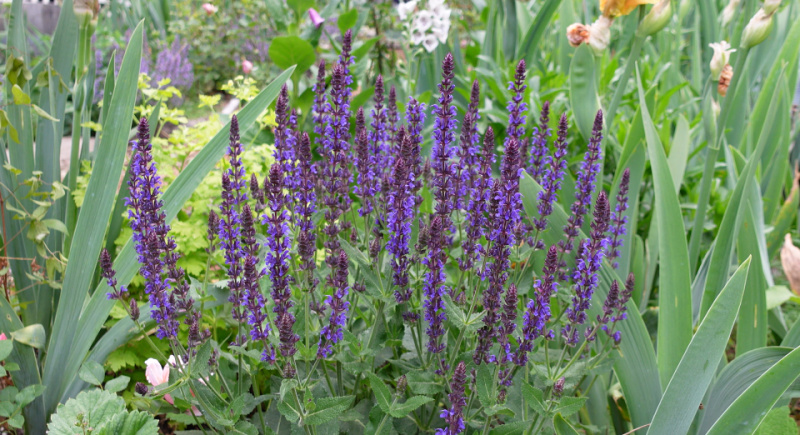
Fun Fact: There are over 2000 varieties of salvia!
5. Ornamental Grasses & Sedges
Grasses add drama, texture, and graceful movement to containers with almost no care at all.
One of my favorites is Karl Foerster feather reed grass. It adds movement to the garden in the slightest breeze. Purple fountain grass is another, but it is not perennial for lower zones.
Fillers (Medium-Height Plants That Add Fullness)
This next selection of plants rounds out the container and fills in the gaps.
6. Coral Bells (Heuchera)
Foliage in shades of burgundy, lime, and caramel makes these a showstopper, even without flowers.

7. Golden Sage
Not only beautiful with its gold-edged leaves, but also useful in the kitchen. A sun-loving, drought-tolerant herb that pulls double duty.

8. Geraniums (Perennial or Annual)
Blooming nonstop with minimal care, geraniums add a punch of color and fill containers beautifully.
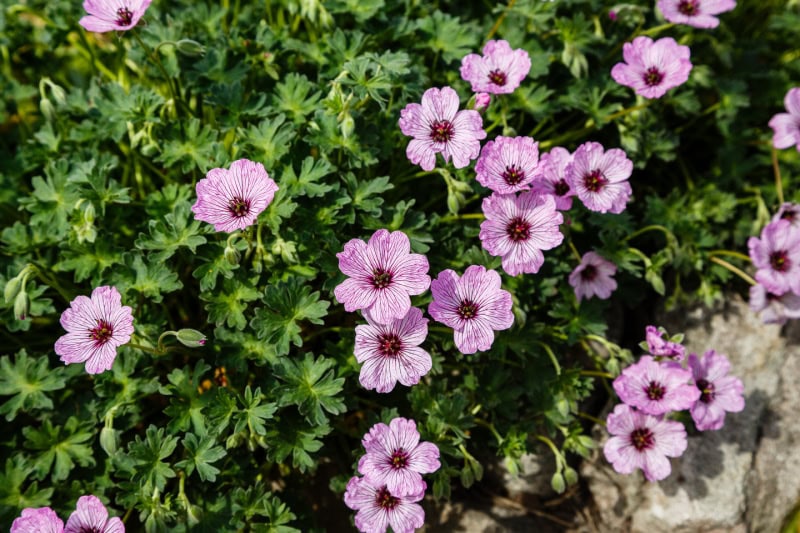
Zonal geraniums are hardy in zones 9 and up while the hardy cranesbill geraniums are hardy in lower zones.
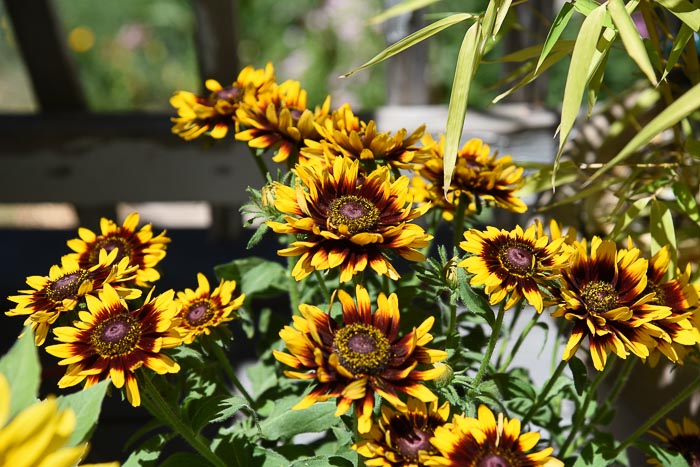
9. Black-Eyed Susans (Rudbeckia)
Golden blooms that just keep going—these brighten up containers and are as tough as they come.
They come in different colors and varieties so you are not stuck with just yellow!
10. Gaura (Whirling Butterflies)
Delicate flowers flutter in the breeze like little butterflies, adding airy fullness to pots without needing much attention. I prefer the dwarf varieties in containers and in my garden beds.
Spillers (Trailing Plants That Soften the Edges)
These plants spill gracefully over the sides of containers, adding depth and movement.
11. Sedums (Stonecrop)
From trailing varieties to upright types, sedums are practically indestructible and thrive in containers.
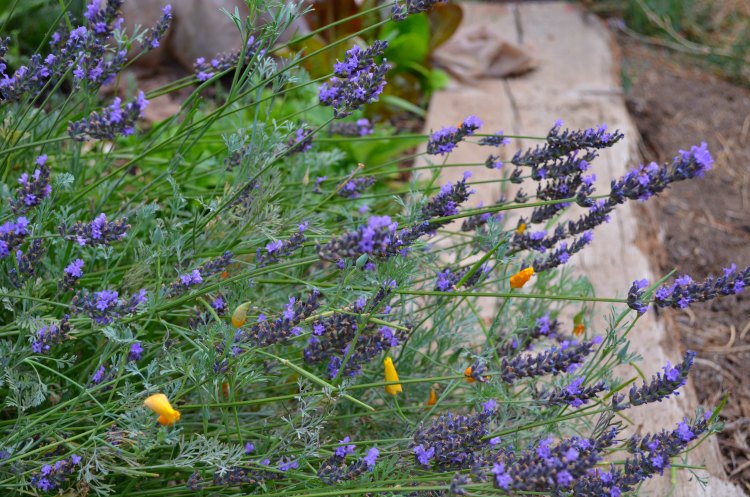
12. Lavender
While it can also act as a filler, lavender’s arching habit makes it spill gently over the pot edges, all while perfuming the air.
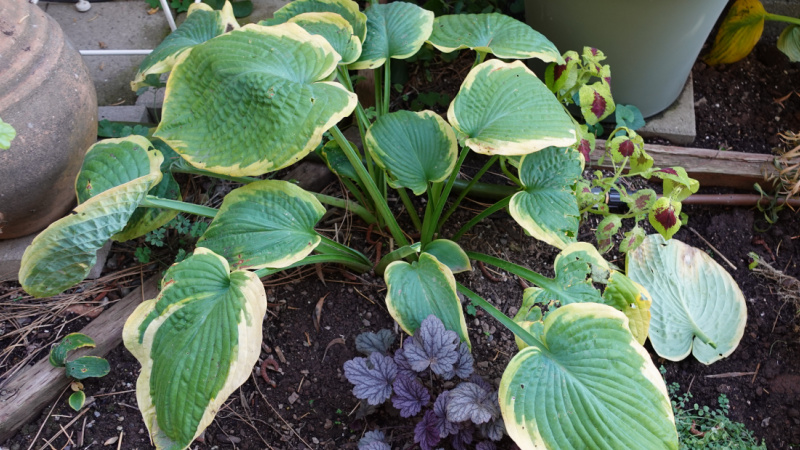
13. Hostas
Yes, even hostas! In containers, their broad leaves cascade slightly, making them feel like a spiller while thriving in shade.
14. Thyme
This little herb trails beautifully over pot edges, and you can harvest sprigs whenever you need them.
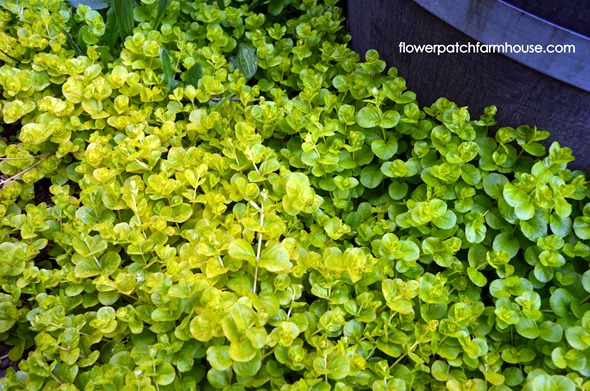
15. Creeping Jenny (Lysimachia nummularia)
With its chartreuse foliage, Creeping Jenny creates a waterfall effect that brightens any container.
Final Thoughts
If you’ve been holding back from container gardening because you think it’s too much work, I hope this list encourages you to give it a try. By combining thrillers, fillers, and spillers, you can design containers that look full and lush with very little maintenance.
With sturdy plants like salvia, coneflowers, golden sage, and even miniature roses, your patio can be brimming with color and charm—without adding more chores to your plate. This list is just the tip of the iceberg in terms of choices, so don’t limit yourself!
Do you already mix thrillers, fillers, and spillers in your containers? I’d love to hear your favorite easy-care combos—drop me a comment and share your go-to plants!

Hi, I’m Pamela
With 45 years of hands-on gardening experience, I love sharing practical tips, proven techniques, and inspiration drawn from my own gardens. My goal is to nurture your confidence, spark your passion, and help make every step of your gardening journey more enjoyable.