Own-Root vs. Grafted Roses
Own-Root vs. Grafted Roses: What’s the Difference and Which One is Best for You?
I have a deep love for roses and over the years I have gravitated to own-root roses because of my climate and growing conditions. Many growers are now offering more own-root roses which is wonderful.
Have you seen bargain roses in big box stores? They can be a great savings but usually, they are grafted not own-root. But what does that mean? And which one is better for your garden? Let’s break it down in simple terms so you can confidently choose the best type of rose for your needs.
What Are Own-Root Roses?
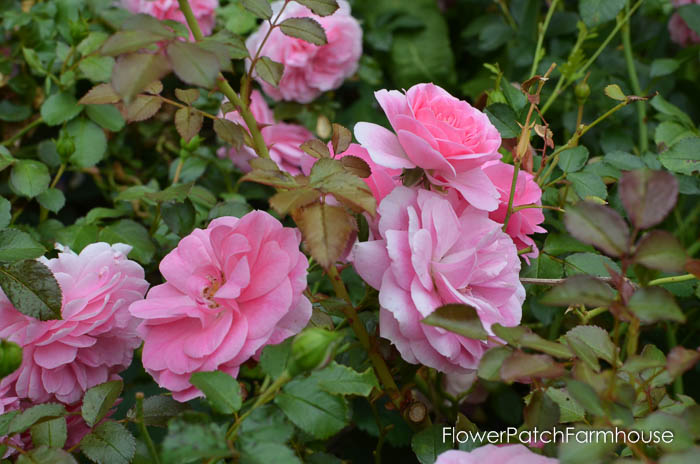
Own-root roses are exactly what they sound like—roses that grow on their own roots. They are propagated by cuttings, meaning they are an exact clone of the parent plant, with no other root system involved.
Benefits of Own-Root Roses:
- Hardier and More Resilient: Because these roses grow on their own roots, they tend to be more cold-hardy and can recover well from damage. (this is why I try to only get own-root roses)
- No Suckers to Worry About: Grafted roses sometimes produce unwanted shoots (called suckers) from the rootstock, but own-root roses won’t do this.
- Longer Lifespan: Many own-root roses live longer than their grafted counterparts because they don’t rely on a different root system to survive. (this is why so many vintage roses are still around after decades)
- Better Disease Resistance: These roses tend to adapt better to various conditions and may have stronger natural disease resistance.
Drawbacks of Own-Root Roses:
- Slower Growth Initially: Since they are grown from cuttings, they take longer to establish and may bloom later in the first year. (this is where patience and the love of growing can come in)
- Limited Selection: Some classic and hybrid tea roses are only available as grafted plants. (many more are becoming available as own-root, which is wonderful)
Root Rose Cuttings at Home!
What Are Grafted Roses?
Grafted roses consist of two parts: the top portion (the flowering variety) and the rootstock (a different, hardy rose variety selected for its strong roots). These two parts are joined together to create one plant.
Benefits of Grafted Roses:
- Faster Growth and Blooming: Since they already have an established root system, grafted roses grow quickly and often bloom in their first season.
- More Variety: Many of the most popular rose varieties, especially hybrid teas and floribundas, are commonly available as grafted plants.
- Better Performance in Some Soils: The rootstock is often chosen for its ability to thrive in poor soil conditions, giving the top variety a boost.
Drawbacks of Grafted Roses:
- Suckers Can Be a Problem: The rootstock may send up shoots that don’t match the rose variety on top, stealing energy from the main plant.
- Shorter Lifespan: Some grafted roses decline after several years, especially if the graft union (where the two parts meet) weakens.
- Less Cold-Hardy: If the top part of the plant dies back in winter, the rootstock will take over, producing a different type of rose than you originally planted.
Where I Buy Roses Online
Which One Should You Choose?
The best choice depends on your climate, gardening style, and personal preference.
- If you live in a colder climate: Own-root roses are often a better choice because they can survive harsh winters and grow back from their roots if damaged.
- If you want quick blooms: Grafted roses give you a faster payoff, making them great if you want an established-looking garden sooner.
- If you want a low-maintenance rose: Own-root roses require less upkeep since they don’t produce suckers and are generally more disease-resistant.
- If you’re growing roses in a challenging soil type: A grafted rose with a strong rootstock may perform better in poor soil conditions.
Final Thoughts
Both own-root and grafted roses have their advantages and disadvantages. If you’re a beginner looking for an easy-care rose that will thrive for years, an own-root variety might be the way to go. But if you’re eager for quick blooms and a wider selection of varieties, a grafted rose could be a great choice.
Whichever you choose, proper care—like regular watering, feeding, and pruning—will help your roses flourish and bring beauty to your garden for years to come.
easy garden tips and tricks
You Can Grow Roses!
I have picked up the bargain roses available at the big box stores in February and grew them just fine, but since they are grafted I always know that I could lose them in a freak freeze or for some other reason. If they are no longer under patent I will take cuttings and have a spare or two that is grown on its own root.
Happy Rose Growing!
Hi, I’m Pamela
With 45 years of hands-on gardening experience, I love sharing practical tips, proven techniques, and inspiration drawn from my own gardens. My goal is to nurture your confidence, spark your passion, and help make every step of your gardening journey more enjoyable.