How to Overwinter Geraniums in Pots, a Garage, or Indoors
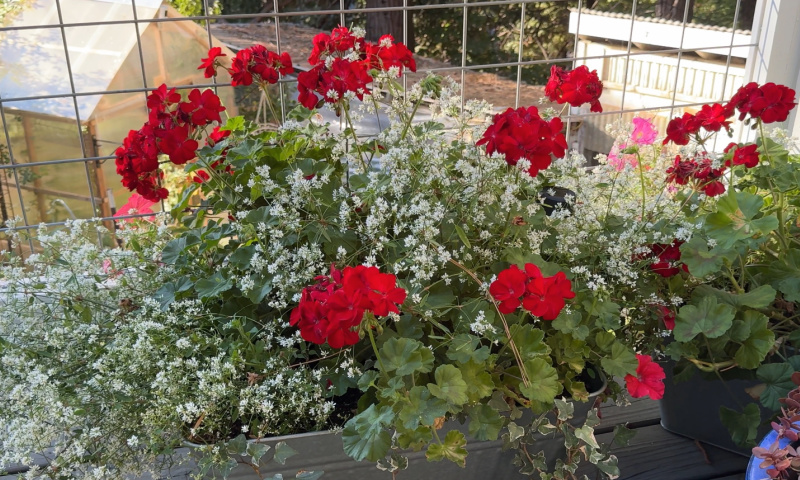
You don’t have to say goodbye to your favorite geraniums when cold weather arrives. Those colorful plants we commonly call annual geraniums are actually Pelargoniums, and they can be kept from year to year if you protect them from freezing temperatures.
I’ve overwintered geraniums several different ways over the years—keeping them dormant in pots, growing them indoors, taking cuttings, storing them bare-root, and keeping them in my greenhouse.
Some methods have definitely worked better for me than others.
And if you’re wondering, “Can I overwinter geraniums in my garage?” the answer is yes, provided your garage stays above freezing. In fact, storing potted geraniums dormant in a cool garage, basement, or similar protected space is one of the easiest methods I’ve used.
In this guide you’ll learn:
- How to overwinter geraniums in a garage or basement
- How cold is too cold for stored geraniums
- Whether to cut geraniums back before storing them
- How long geraniums can stay in pots over winter
- How to keep geraniums growing indoors
- How to overwinter geraniums in a cold greenhouse
- How to tell if a dormant geranium is still alive
- How to get overwintered geraniums growing again in spring
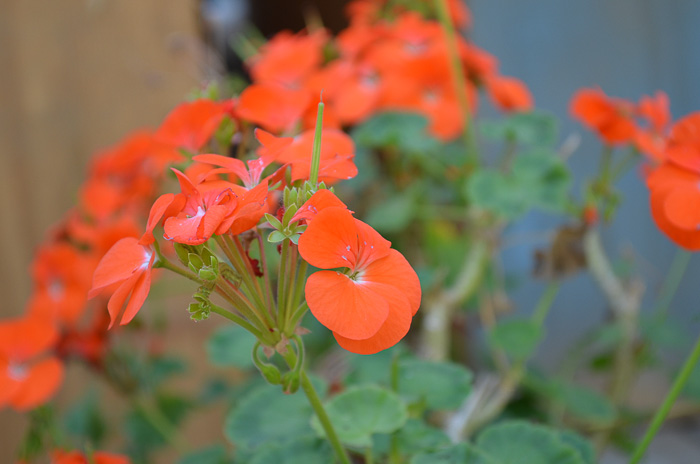
A quick note about names: The plants we’re talking about here are the tender plants commonly sold as annual or zonal geraniums (Pelargonium), not hardy perennial geraniums, commonly called cranesbill.
This post contains affiliate links. If you make a purchase after clicking a link I may make a small commission at no cost to you.
Can You Overwinter Geraniums in a Garage?
Yes! A garage can be a great place for keeping geraniums over winter, as long as it doesn’t freeze.
For years I’ve used a cool basement in much the same way. An attached garage, cool basement, enclosed porch, or other protected location can work.
For dormant storage, temperatures around 40° to 50°F are ideal. The important part is keeping the plants cool but above freezing.
If your garage regularly drops below freezing, however, don’t rely on it without providing additional frost protection.
The plants don’t need bright light if you are deliberately keeping them dormant or semi-dormant. That’s very different from keeping a geranium actively growing all winter, which we’ll talk about later.
How I Store Potted Geraniums Dormant
Most of my geraniums grow in pots and containers during summer, which makes this method especially easy.
Before freezing weather arrives:
- Choose healthy plants you want to save.
- Check carefully for insects and disease.
- Remove dead or damaged foliage.
- Cut the plant back. I have had good results cutting mine back quite hard.
- Move the entire pot into a cool, frost-free garage, basement, or similar location.
That’s really about it.
I have found geraniums to be much tougher than we sometimes give them credit for.
What Temperature Is Too Cold for Geraniums?
Pelargoniums are tender perennials and do not tolerate freezing.
This is more useful to know than relying entirely on a USDA hardiness zone. Your individual winter conditions—and especially the temperature where you’re actually storing the plants—matter more.
If you want to overwinter geraniums, bring them into protection before a hard freeze.
A dormant geranium stored around 40° to 50°F can sit quietly for months. A geranium growing in your house, on the other hand, will prefer warmer temperatures and plenty of light.
This difference between dormant storage and active growth is important because the plants need very different care.
How to Prepare Geraniums for Winter
Start by deciding which plants are worth keeping.
I only bother overwintering healthy geraniums. If a plant has struggled all summer with disease or serious pest problems, I don’t think it’s worth bringing those problems indoors with me.
Inspect:
- The tops and undersides of leaves
- Stems and leaf joints
- The surface of the potting soil
- The base of the plant
Remove dead or diseased material and clean up fallen leaves around the plant.
If insects are present, deal with the specific pest before moving the plant into your house or greenhouse. I prefer this to automatically spraying every plant whether it has a problem or not.
Geraniums growing directly in the garden can be dug and potted before frost, or you can take cuttings from them instead.
Method 1: Overwinter Geraniums in Pots in a Garage or Basement
This is probably my favorite method because it requires so little space and attention.
Cut the plants back and move the pots into a cool, dark or dim, frost-free location.
Then leave them alone for the most part.
Dormant geraniums need very little water because they aren’t actively growing. The goal isn’t to keep the potting mix consistently moist.
You do, however, want to check them occasionally.
My basement is quite dry. I’ve found that a very small amount of water periodically can keep the plants from becoming completely desiccated. Your conditions may be different.
This is why I don’t like giving a rigid watering schedule such as “water once a month.”
Check the plant and potting mix instead.
Cooler, more humid storage conditions may require almost no water, while a very dry location may require a little more.
How Long Can You Leave Geraniums in Pots Over Winter?
Geraniums can remain in their pots throughout the winter.
There is no need to continually repot them while they are dormant.
Mine typically stay tucked away until late winter, when something interesting begins to happen.
Despite being stored in a dark basement, the plants may start producing new growth as spring approaches.
The new shoots can be very pale or even nearly white because they have been growing without light.
That’s my signal that it’s time to pay attention.
When I see that new growth, I move the plants into brighter conditions and begin waking them up for spring.
Method 2: Keep Geraniums Growing Indoors
You don’t have to make geraniums go dormant.
I’ve also brought mine indoors and kept them growing in Primrose Cottage and in my office. With enough light, they can even bloom during winter.
The big difference is light.
A dormant plant in a 45°F garage needs very little water and doesn’t need sunlight.
A geranium growing in your warm house needs bright light and regular—but not excessive—watering.
Place your geranium near a bright sunny window or under grow lights.
Water when the potting mix begins to dry rather than keeping it constantly wet. I like to use a moisture meter as sticking your finger into the soil is not very accurate.
Geraniums growing indoors can become lanky during winter, especially when temperatures are warm and light levels are low. Don’t worry too much about that. They can be pruned back before spring.
Before bringing outdoor plants into your living space, inspect them carefully for pests.
If the plant is already growing happily in a container, I don’t see any reason to strip all the soil from its roots automatically. Instead, check the plant and pot carefully and deal with any actual pest problem you find.
Method 3: Take Geranium Cuttings for Winter
If you don’t have room for large pots, taking cuttings is one of the smartest ways to save your favorite geraniums.
A few small pots take up far less room than several mature plants.
Geraniums are also wonderfully easy to propagate from stem cuttings.
I like to take cuttings while the plants are still healthy and actively growing rather than waiting until freezing weather is on the doorstep.
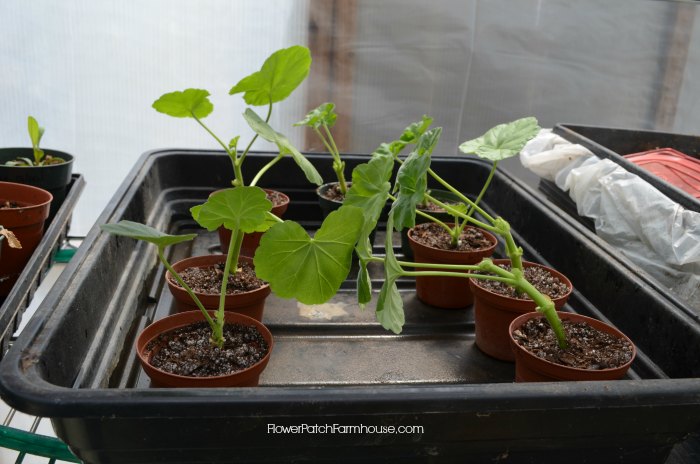
Remove a healthy section of stem, prepare your cutting, and place it into your preferred rooting medium.
Once rooted, the young plants can be grown in small pots on a windowsill or under grow lights through winter.
By spring, you may have so many plants that you have extras to share.
I have a complete tutorial on how to root geraniums from cuttings if you’d like to use this method.
Method 4: Store Geraniums Bare-Root
This is one of those gardening methods that works wonderfully for some people.
For me?
Not so much.
I’ve tried overwintering bare-root geraniums for a couple of winters and had less-than-impressive results. Other gardeners swear by it, though, so it’s certainly worth knowing about.
Before frost:
- Remove the geranium from its container or dig it from the garden.
- Gently shake excess soil from the roots.
- Allow the plant to dry.
- Store it in a paper bag, cardboard box, wrapped loosely in newspaper, or hang it in a cool location.
- Keep it somewhere dark, cool, dry, and frost-free.
- Check the plants periodically through winter.
Bare-root geraniums can shrivel dramatically and look rather alarming.
That’s not necessarily the end of them.
The Royal Horticultural Society also considers bare-root storage less reliable than keeping pelargoniums in containers, which fits very well with my own experience.
So if you’re new to overwintering geraniums and only have a few plants you really want to save, I’d choose the potted method before bare-root storage.
How to Overwinter Geraniums in a Cold Greenhouse
A cold or unheated greenhouse can be another excellent option—with one very important qualification:
It must remain frost-free.
I’ve used an unheated greenhouse successfully. Even when outdoor temperatures dropped below freezing, sunshine warmed the greenhouse during the day.
Not every unheated greenhouse will do that. A thin, unheated greenhouse can easily fall below freezing overnight.
(Our winter lows are usually in the upper 20’s F. But sometimes they can drop to the teens and rarely, down to 10 degrees. During those times, I am risking it with my geraniums.)
So don’t assume that simply putting your geraniums inside a greenhouse protects them.
Put a thermometer in the greenhouse and learn what actually happens to the temperature on your coldest nights.
If your greenhouse stays frost-free, bring your potted geraniums inside before the first freeze.
Keep them on the dry side during winter and provide good air circulation.
Good ventilation is particularly important in a greenhouse because cool, damp, stagnant conditions encourage fungal problems such as gray mold.
A small fan can help keep the air moving, and ventilation on mild days is helpful when conditions allow.
How to Tell If a Dormant Geranium Is Still Alive
Don’t be too quick to throw away an ugly overwintered geranium.
Dormant plants aren’t supposed to look beautiful.
Leaves may have fallen off. Stems may look woody. The entire plant may look as though it belongs on the compost pile.
Look closely at the stems.
Prune the stem back gradually. Healthy living tissue should be firm and show green inside.
If the stem is brown, dry, and brittle all the way down to the base with no sign of living tissue, that portion of the plant is dead.
Other warning signs include:
- Soft or mushy stems
- Mold spreading over the plant
- Blackened, rotting tissue
- A foul smell
- Severe shriveling with no living stem tissue
A little shriveling is very different from rot.
Too much moisture during cool storage is often more troublesome than allowing the plant to remain relatively dry.
How to Plant Overwintered Geraniums in Spring
Late winter into early spring is when the fun starts.
This is when I begin checking my stored geraniums for signs of new growth.
Once the plants begin waking up:
- Bring them out of dark storage.
- Remove completely dead stems and foliage.
- Prune surviving stems back to healthy tissue.
- Repot if the plant needs fresh potting mix or a different container.
- Begin watering.
- Place the plant somewhere warm with very bright light or under grow lights.
Don’t expect an instant transformation.
Give them a few weeks.
Those rather pitiful-looking stems can begin producing fresh green leaves and turn back into vigorous plants.
As growth increases, gradually return to normal watering.
Moving Overwintered Geraniums Back Outside
Don’t take a geranium that’s been living indoors or in a protected greenhouse all winter and suddenly put it into full outdoor conditions.
Treat it much as you would a seedling.
Wait until the danger of frost has passed and then gradually acclimate—or harden off—your geraniums to outdoor conditions.
Start in a protected location and gradually expose them to more sun, wind, and outdoor temperature changes.
After they have adjusted, (if you have removed them from containters) return them to their containers or plant them in the garden.
Which Geranium Overwintering Method Is Best?
There isn’t one perfect method for every gardener.
Here’s how I look at it:
| Method | Best For | Light During Winter | Attention Needed |
|---|---|---|---|
| Dormant in pots | Garage or basement storage | Little to none | Very low |
| Growing indoors | A few favorite plants | Bright light | Moderate |
| Cuttings | Saving plants in a small space | Bright light | Moderate |
| Bare-root | Saving many plants | None | Low, but less reliable |
| Cold greenhouse | Gardeners with a frost-free greenhouse | Natural light | Low to moderate |
For sheer simplicity, keeping my potted geraniums dormant has been one of the easiest methods for me.
If I have a particular geranium I absolutely don’t want to lose, taking a few cuttings gives me another way to preserve it without finding room for another huge pot indoors.
And if you have a cold greenhouse that reliably remains above freezing, you have another very useful option. (I confess, my greenhouse gets below freezing, and my geraniums do survive. I think the key is that it warms up during the day with the sun shining on it, so the very cold period is relatively short. You will often see my geraniums in videos I produce from inside my greenhouse)
Common Geranium Overwintering Problems
Too Much Water
This is probably one of the easiest mistakes to make.
A cool, dormant plant uses very little water. Wet potting soil combined with cool temperatures can encourage root and stem rot.
Don’t water a dormant geranium the way you would an actively growing summer plant.
Freezing Temperatures
A garage or greenhouse isn’t automatically freeze-free.
Check the actual temperature rather than guessing.
Not Enough Light Indoors
If you’re keeping your geranium actively growing in a warm house, give it as much light as possible.
Warm temperatures combined with poor light encourage weak, stretched growth.
Bringing Pests Indoors
Inspect plants before bringing them inside.
A few aphids or other pests outside can quickly become a much bigger nuisance in the protected environment of your home or greenhouse. Fungus gnats are a huge annoyance.
Giving Up Too Soon
Dormant geraniums can look terrible.
Really terrible.
Give the plant a chance before assuming it’s dead. Check the stems for living green tissue first.
Frequently Asked Questions About Overwintering Geraniums
Can I overwinter geraniums in my garage?
Yes, provided the garage remains frost-free. A cool garage around 40° to 50°F can work very well for dormant geranium storage.
Do geraniums need light when overwintering?
It depends on how you’re storing them.
Dormant geraniums can be stored in a cool, dark location. Geraniums kept actively growing indoors need plenty of bright light.
Should I water geraniums stored in a garage?
Very sparingly. Dormant geraniums use little water. Check them periodically and provide a small amount of water if they are becoming excessively dry rather than watering on a rigid schedule.
Can geraniums stay in their pots all winter?
Yes. In fact, keeping them in their pots is one of my preferred ways to overwinter geraniums. Move the pots into a cool, frost-free location and bring them back into light as growth resumes in late winter or spring.
Can I overwinter geraniums in an unheated greenhouse?
Yes, if the greenhouse remains relatively freeze-free. Monitor temperatures carefully because an unheated greenhouse can become nearly as cold as the outside air during winter nights.
When should I bring overwintered geraniums back into growth?
Watch the plants rather than relying entirely on the calendar. Mine often begin producing new growth around late winter or early spring. That’s when I move them into brighter conditions, prune as needed, and gradually begin watering again.
Is Overwintering Geraniums Worth It?
For me, yes.
Of course, you can treat geraniums as annuals and simply buy new plants every spring. There is absolutely nothing wrong with that.
You can also grow geraniums from seed.
But if you’ve found a particular geranium you love—or you simply enjoy getting another year from plants you already own—overwintering them is surprisingly easy.
You don’t need an elaborate greenhouse or complicated equipment.
Sometimes all it takes is a pot, a cool garage or basement, and a little patience.
And there’s something rather satisfying about bringing what looks like a dead little stick out of storage in spring and watching it turn back into a beautiful flowering plant.
Do you overwinter your geraniums? I’d love to know which method works best for you.
Hi, I’m Pamela
With 45 years of hands-on gardening experience, I love sharing practical tips, proven techniques, and inspiration drawn from my own gardens. My goal is to nurture your confidence, spark your passion, and help make every step of your gardening journey more enjoyable.


Overwintered Geraniums Update Video
Hey, did you know there is a difference between Zonal Geraniums ( and Seed Grown?
Zonal Geranium vs Geraniums You Grow from Seed!
Pin It!


I often bring my geraniums into the basement in their pots. The begonias need to be overwintered inside too. They are cold sensitive just like the geraniums.
Thanks for your information about Geraniums. I live in Globe AZ. I think zone is 8b. Can I bring it to basement with pot?
Also about four seasons flower begonia can keep outside during the weather about 15~30F? Or just bring it to greenhouse? Thanks again!
I am in Zone 8a, in the mountains of N. California.
I’m wondering where you live? I’m new to your channel and am wondering what zone you are in?