Create an Arts and Crafts Garden in a Small Space
The Arts and Crafts Garden Style: Creating One in a Small Space
I love the Arts and Crafts garden style—it’s such a timeless and charming way to design a garden. It focuses on natural beauty, thoughtful craftsmanship, and creating a sense of harmony between the home and the garden.
What I appreciate about the Arts and Crafts garden is how it beautifully blends the structure and order of a formal English garden with the relaxed, overflowing charm of a cottage garden. It brings together the best of both worlds—carefully planned layouts with paths and hedges alongside lush, informal plantings that feel natural and inviting.
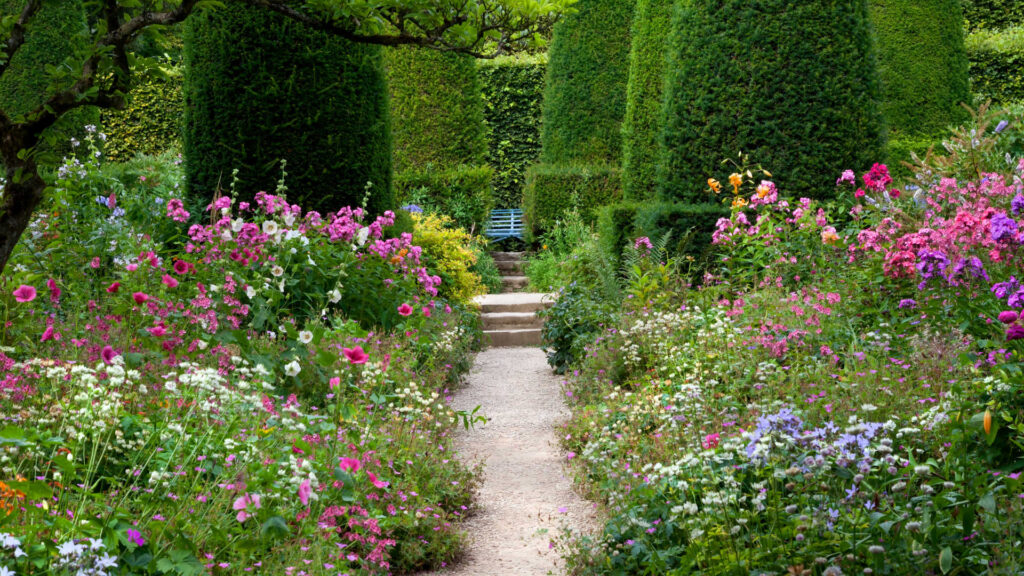
Arts and Crafts garden style can be linked to Gertrude Jekyll, a woman before her time.
Gertrude Jekyll encouraged us to see the garden as an artist sees a canvas, stating, “I am strongly of the opinion that the possession of a quantity of plants, however good the plants may be themselves and however ample their number, does not make a garden; it only makes a collection.” She viewed plants as “paints set out upon a palette,” emphasizing that the gardener’s role is “so to use the plants that they shall form beautiful pictures.”
She was caught between two garden designers who were vastly different in their approach to gardening. One designer stuck to a strict architectural design, taking inspiration from the house and the other, was quite zealous for the wild and woody type gardens.
She decided to marry the two designs and create masterpieces that are quite easy to adapt to our own spaces. Even if you have a small space, you can embrace the charm of an Arts and Crafts garden with thoughtful design choices. Here’s how.
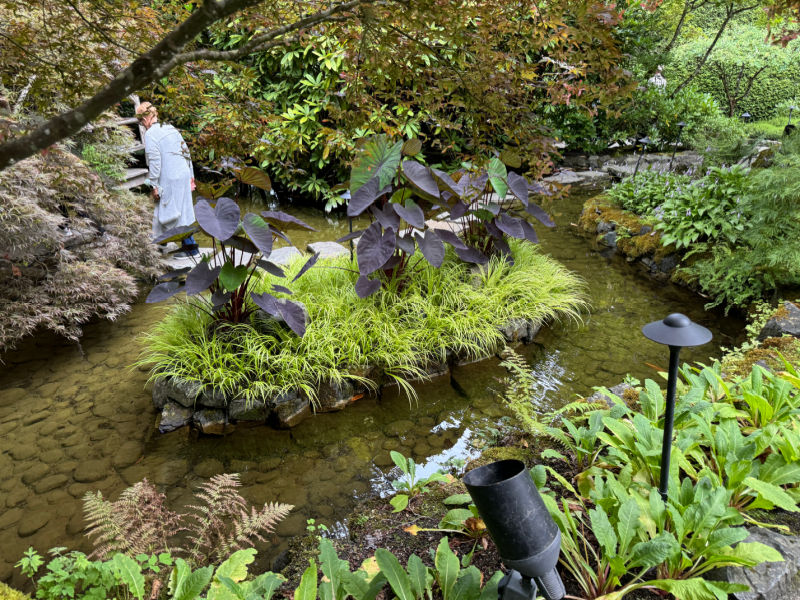
Key Elements of an Arts and Crafts Garden
1. Structured Informality
Arts and Crafts gardens are carefully designed to appear natural and organic while maintaining the underlying structure. They often feature geometric layouts softened by lush planting.
This is a way to bring a bit of order to what some feel is a bit too chaotic in a cottage garden, and sometimes I crave a bit more order in my garden.
Traditional Materials
Materials such as brick, stone, and wood are essential in hardscaping elements like pathways, pergolas, and garden walls. The goal is to create a handcrafted, timeless feel.
I also like to incorporate galvanized metal elements for a rustic feel, buckets, tubs and even old metal roofing. Remember, there are no rules, just principles to follow when designing your own garden.
Buckets and Tubs Garden
Perennial Borders
Flower beds filled with classic cottage-style perennials like foxgloves, delphiniums, hollyhocks, and lavender create a soft, romantic effect. Herbs and edible plants are often dotted in with ornamentals.
Adding your favorite annuals—whether in containers, pots, or directly in the ground—is a wonderful way to keep your perennial borders vibrant, lush, and bursting with color all season long.
My Favorite Cottage Garden Flowers
Handmade Ornamental Features
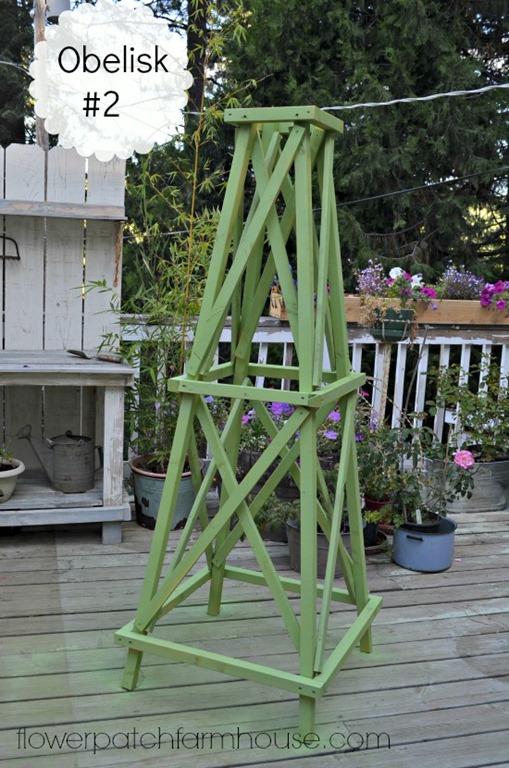
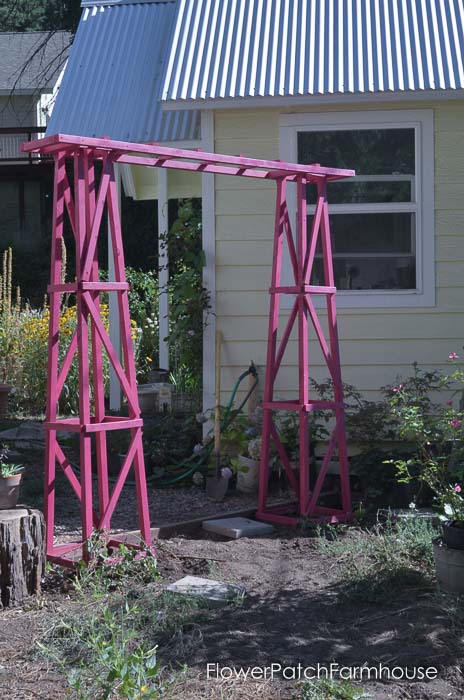
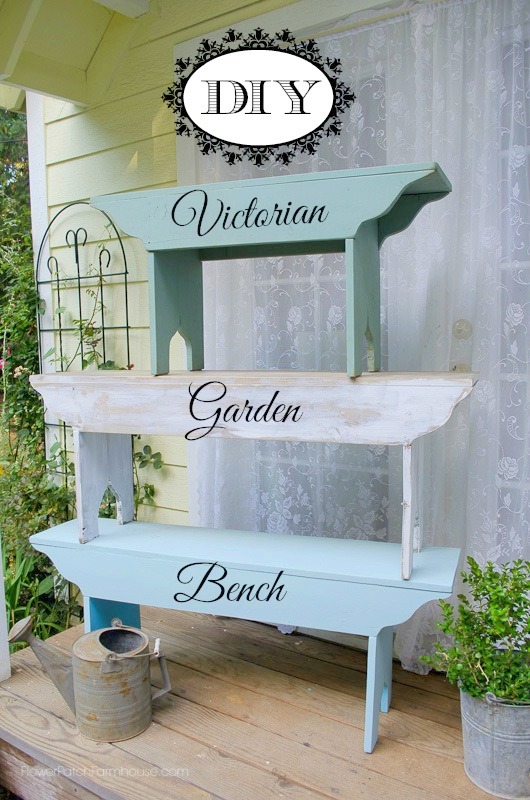
Handmade garden structures, such as wooden trellises, wrought-iron gates, and mosaic stepping stones, add artistic character. Decorative tiles and hand-thrown pottery also enhance the space.
I have a few DIY projects that are easy to make, budget-friendly, and will enhance your garden! Pick one and build it today.
Wildlife-Friendly Design
Encouraging biodiversity is a key feature. Plants that attract bees, butterflies, and birds—such as natives and flowering shrubs—bring life and movement to the garden.
Cultivated plants also bring biodiversity with longer blooming times and beautiful colors. Mixing native and non-native is the key. Many common flowers available are native plants, even though you may not realize it.
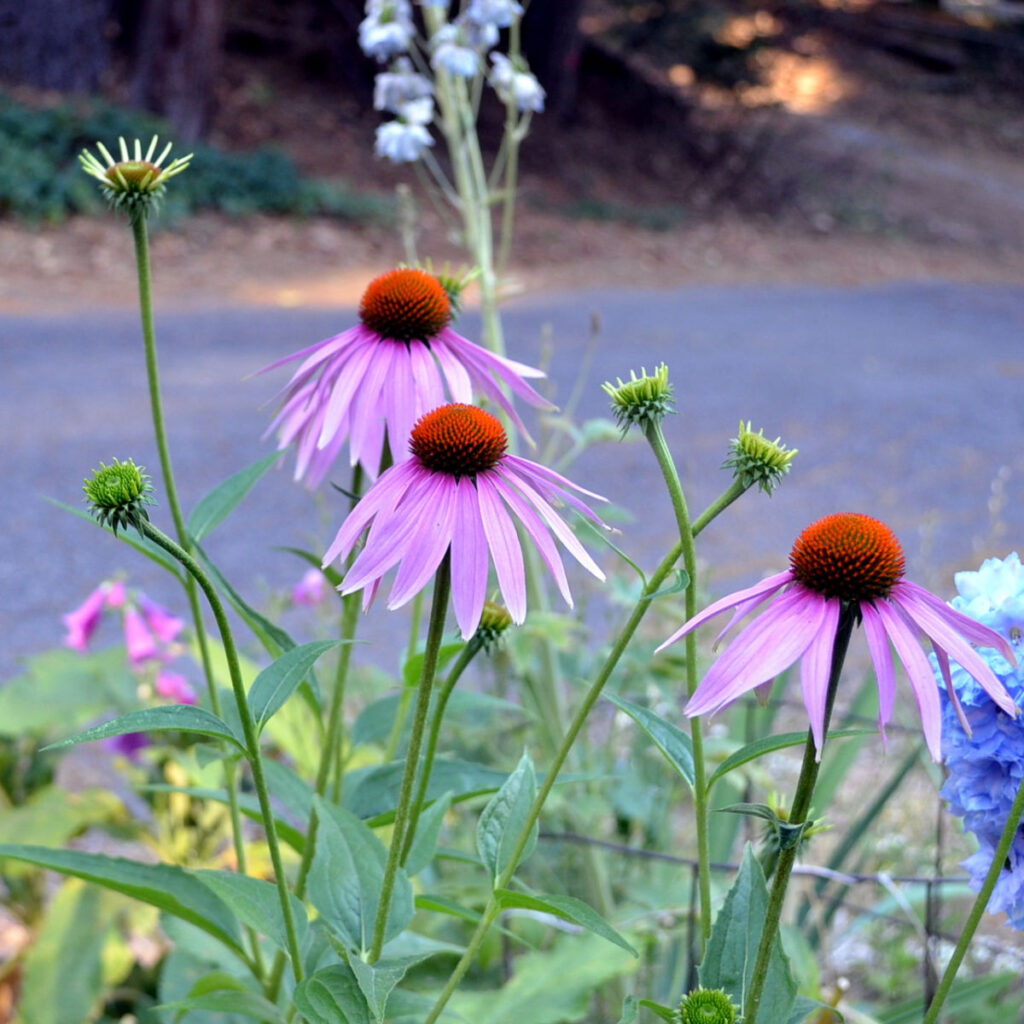
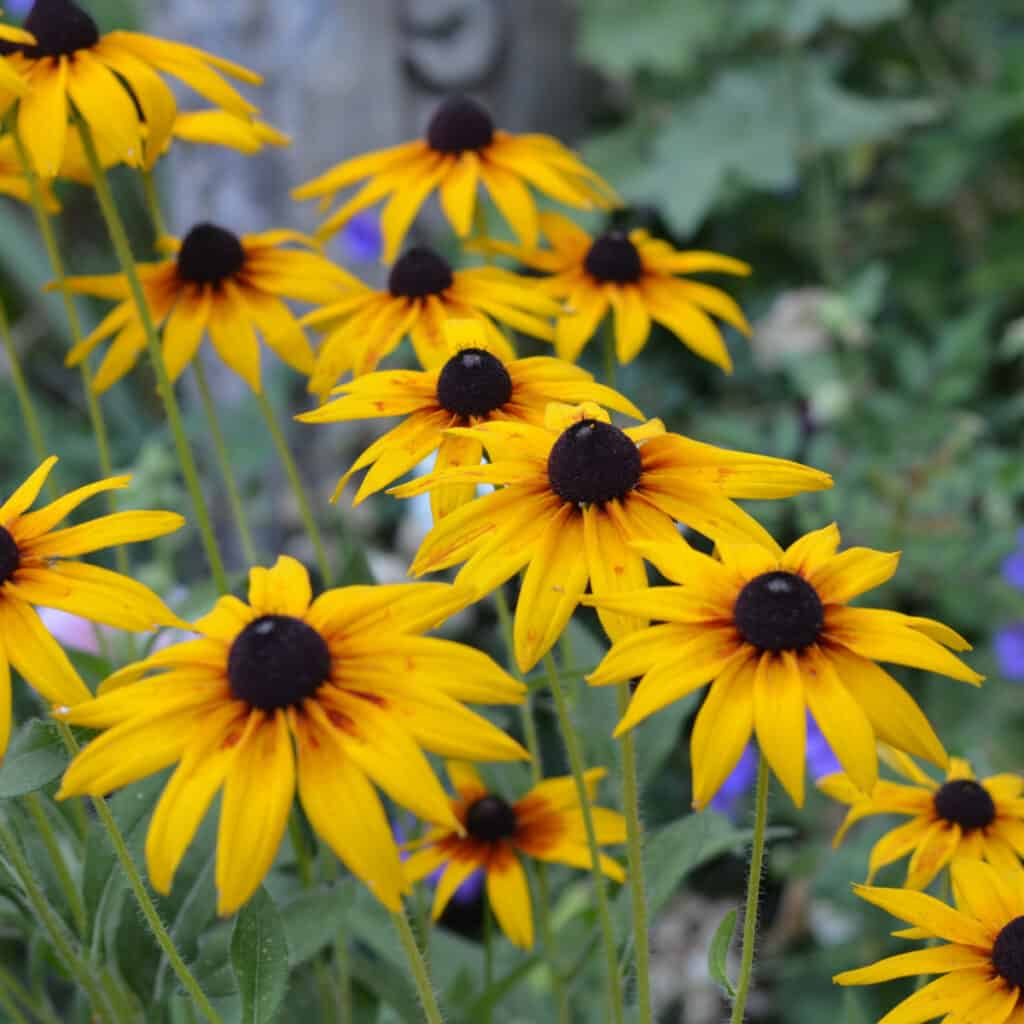
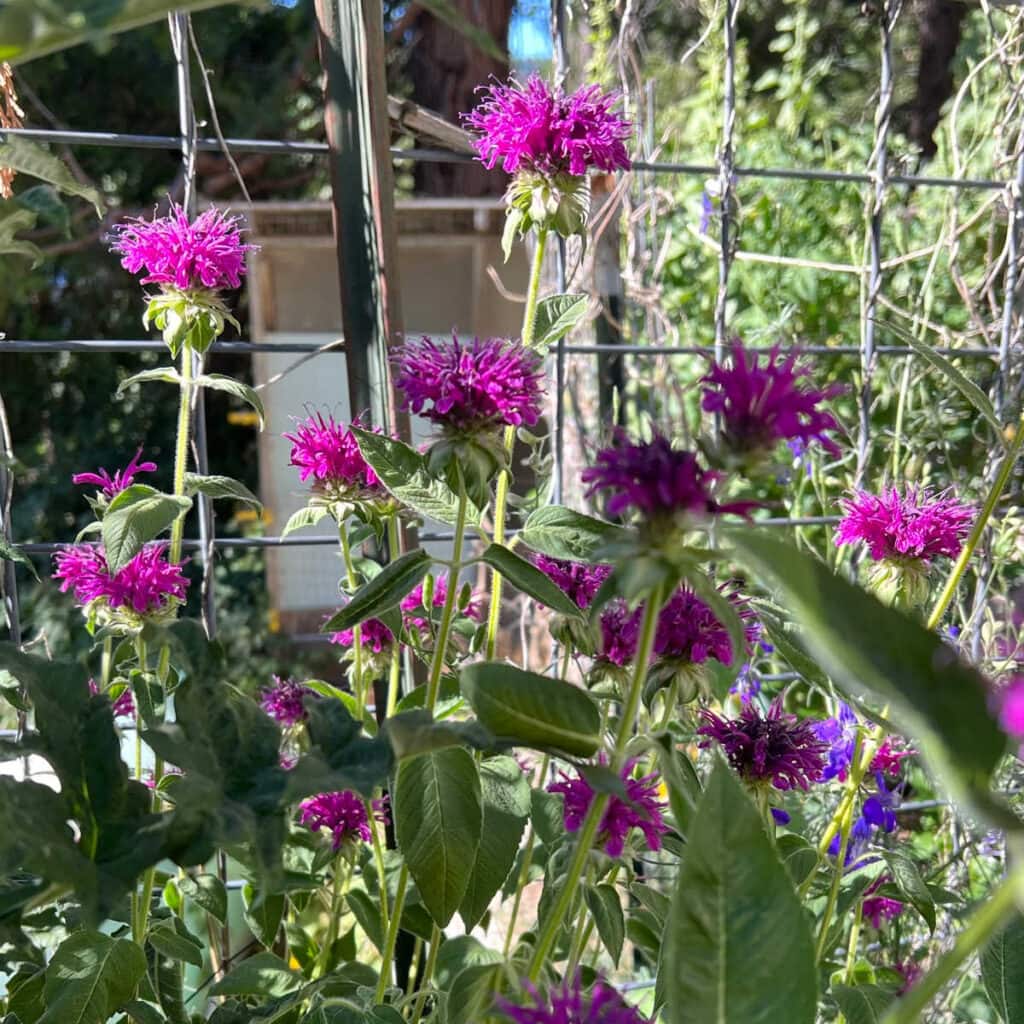
Some well-known, easy-to-grow flowers like Purple Coneflower, Black-eyed Susan, and Bee Balm are but a few U.S. natives that fit the bill.
How to Create an Arts and Crafts Garden in a Small Space
1. Plan a Simple but Elegant Layout
In a small space, use a structured yet organic design. A brick or stone pathway leading to a focal point—such as a garden bench, sundial, or small fountain—adds interest and movement. Curved beds and layered planting create depth and softness.
2. Choose Compact Plants with Classic Appeal
While large Arts and Crafts gardens feature sprawling borders, you can achieve the same effect in a small space by selecting dwarf or compact varieties of traditional plants. Try:
- Miniature roses
- Compact foxgloves (e.g., Digitalis ‘jFoxy Mix’)
- Climbing clematis on trellises
- Dwarf lavender or thyme for edging (I love my Lime Thyme)
- Potted herbs and edible flowers
3. Incorporate Handmade and Vintage Elements
Look for vintage garden furniture, decorative ceramic pots, or wrought-iron plant supports to reinforce the handmade aesthetic. A small, reclaimed brick patio or stepping stone path adds an authentic touch.
Though I will warn you, a stepping-stone path can be a bit more work keeping weeds from filling in between. I am testing low-growing ground covers between mine at the moment but I may decided to fill in with a grass path or gravel.
You can sometimes find great bargains at thrift or second-hand stores. I once passed up a white wrought iron table and chairs set that I am now kicking myself over. It was a larger set and rather Victorian in design for only $50.
Garage or yard sales are an option as well, and the hunt for treasures can be fun in of itself.
Great Ground Covers
4. Use Trellises and Vertical Space
Maximize your planting area by using trellises, wall planters, or an arbor to support climbing roses, jasmine, or honeysuckle. This will create height and layers, making the garden feel larger.
I often use climbers to create privacy walls instead of using shrubs in tight spaces.
5. Add a Water Feature
A small birdbath, tabletop fountain, or stone basin can introduce a tranquil, naturalistic element. The gentle sound of water enhances the sensory experience of the garden.
I use small solar fountains inside rustic tubs, a small pond, and clay pots that have the drainage hole plugged to create an inexpensive bird bath.
DIY Solar Fountain
6. Encourage Wildlife
Install a birdhouse, plant pollinator-friendly flowers, or create a small, sheltered corner for beneficial insects. The Arts and Crafts movement valued gardens that supported local ecosystems.
Using plants that will become bird feed when they go to seed is an excellent way to feed the birds during the winter.
I love to leave coneflowers and black-eyed susans that have faded and died in late Fall for the birds to forage from over winter. Or, if I need to clear up the area they are planted in, I will pile them up in an out-of-the-way corner of the garden where the birds can access the seed heads all winter.
My Parting Thoughts
Creating an Arts and Crafts garden in a small space is about embracing craftsmanship, natural beauty, and thoughtful design. By incorporating classic plants, traditional materials, and artistic details, you can transform even the smallest outdoor area into a charming and harmonious retreat.
I failed to mention that adding evergreen elements like boxwoods, yew, or other shrubs clipped into topiaries, small hedges, or edging of the borders or flower beds is a great way to add some structure to the garden. But keep in mind, you will need to trim them probably twice a year to keep them tidy.
The beauty is you can also create this in pots and containers if all you have is a small patio, balcony, or porch space!
This is something I want you to remember: Always plant a garden that you will enjoy, not one that will eat up all your time and be a burden.
There is no one style, and if you want to just collect plants instead of having a specific design, then go for it and enjoy it to the full, no apologies needed.
I must confess that I often do this as I love plants and I don’t need to have a design, style or set reason for getting what I want! So many times, people are constrained by the expectations of others and forgo what they really want themselves. Toss out the rule book and just dive into your passion.
I Wish You Happy and Joyous Gardening!
Hi, I’m Pamela
With 45 years of hands-on gardening experience, I love sharing practical tips, proven techniques, and inspiration drawn from my own gardens. My goal is to nurture your confidence, spark your passion, and help make every step of your gardening journey more enjoyable.