Why Your Nepeta Isn’t Thriving: 12 Common Mistakes Gardeners Make
Nepeta, commonly known as catmint, has a reputation for being one of the easiest perennials you can grow. It’s drought tolerant, attracts pollinators by the dozens, blooms for months, and generally asks for very little in return.
So when it starts flopping, produces only a handful of flowers, or simply doesn’t look as healthy as you expected, it’s easy to wonder what went wrong.
The good news? Nepeta is surprisingly forgiving, and most problems can be traced back to a few common mistakes. If your catmint isn’t thriving, one of these may be the reason.
1. Planting It in Too Much Shade
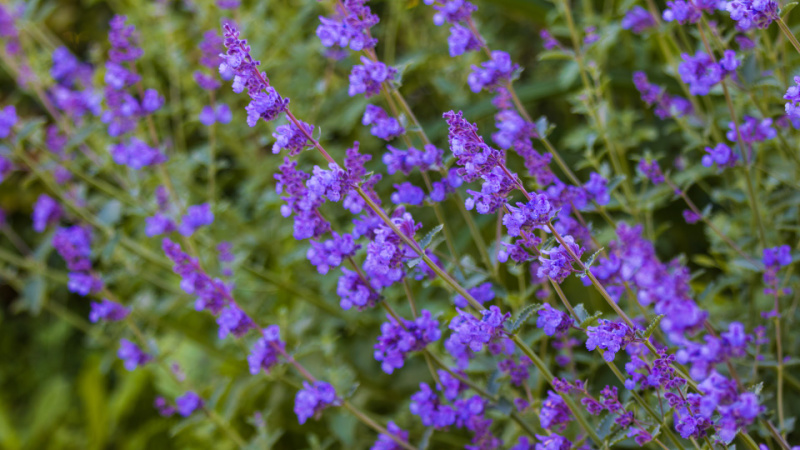
Nepeta will tolerate light shade, especially in hot summer climates, but it truly shines in full sun.
Plants growing in too much shade often stretch toward the light, producing longer stems, fewer flowers, and a floppy appearance.
The Fix:
Aim for at least six hours of direct sunlight each day. In very hot climates, afternoon shade is fine, but avoid heavily shaded locations.
2. Watering Too Often
This is probably the most common mistake gardeners make.
Once established, Nepeta simply doesn’t need frequent irrigation. Constantly moist soil encourages soft, lush growth that bends over easily and often produces fewer flowers.
Try This:
Allow the soil to dry somewhat between waterings. During prolonged hot, dry weather, water only enough to keep the upper root zone from becoming excessively dry.
3. Trying to Grow It in Poorly Drained Soil
Nepeta handles drought far better than soggy roots.
Heavy clay or areas that remain wet after rain can stress the plant and eventually lead to root problems.
A Better Approach:
Improve drainage with compost, plant on a slight mound, or choose a raised bed if your soil tends to stay wet.
4. Feeding It Too Much
Many gardeners reach for fertilizer whenever a plant doesn’t seem to be growing well.
With Nepeta, that often makes things worse.
Too much nitrogen encourages beautiful foliage—but fewer flowers and weaker stems.
What To Do Instead:
A yearly layer of compost is usually all this perennial needs.
Want to DIY your own compost bin? This is not only easy to build but more attractive than the big plastic ones: DIY COMPOST BIN
5. Never Giving It a Midseason Haircut
If your Nepeta blooms beautifully in spring and then spends the rest of summer looking tired, don’t give up on it.
That’s simply its signal that it’s time for a trim.
Don’t Be Scared:
After the first flush of flowers fades, shear the plant back by about one-third to one-half. New foliage will quickly emerge, followed by another round of blooms.
Related: More on growing Nepeta in your garden.
6. Expecting Every Variety to Stay Small
Not all Nepeta grows alike.
Many gardeners buy ‘Walker’s Low’ assuming it will remain compact because of its name. In reality, it often spreads three feet or more.
Other varieties stay much smaller and fit better in tight spaces.
Do Your Research:
Always check the mature size before planting and choose a variety that fits your garden.
7. Thinking Flopping Means Failure
Many gardeners become discouraged when Nepeta begins leaning outward.
In most cases, it isn’t dying.
It may simply be reacting to heavy rain, rich soil, too much shade, or excess water.
Some varieties naturally develop a more relaxed, arching habit as they mature.
Relax and Eliminate Cause:
Look for the cause before assuming something is wrong.
8. Crowding It Between Other Plants
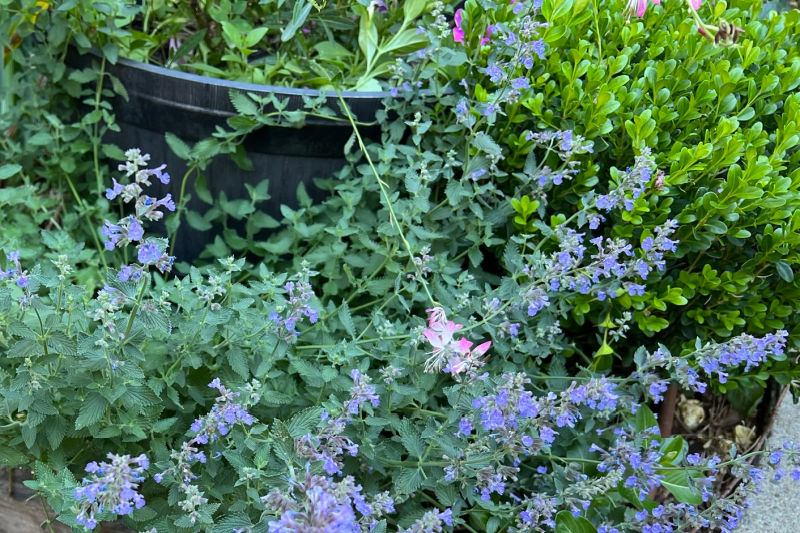
Nepeta may look small when you plant it, but mature plants appreciate room to breathe.
Crowded conditions reduce air circulation and encourage stems to stretch as they compete for light.
The Fix:
Give plants enough space to reach their mature width. Sometimes I plant closer together at first to get the garden going, then edit as needed once plants start filling in.
9. Cutting Off Every Flower Too Soon
Deadheading certainly encourages rebloom, but don’t feel like you have to rush outside every time a blossom fades.
Pollinators continue visiting many of those aging flowers.
Try This:
Enjoy the blooms for a while, then shear the plant back once the display begins to fade rather than removing every individual flower spike. Also, I will shear back half the plant, then a few weeks later shear the other half.
10. Ignoring Your Climate
USDA hardiness zones tell us how cold a plant can survive in winter—but they don’t tell the whole story.
Humidity, rainfall, soil type, and summer heat all influence how Nepeta performs.
A gardener in a dry Zone 9 climate may have better success than someone in a humid Zone 7 with heavy soil.
Observe and Adapt:
Learn how your local growing conditions differ from the plant tag and adjust your care accordingly.
What USDA Zones Tell You and What They Don’t
11. Expecting It to Bloom Forever Without a Little Help
Nepeta is wonderfully low maintenance—but not completely maintenance-free.
Like most long-blooming perennials, it appreciates a little attention now and then.
Be Patient:
Some can take their time waking up from dormancy. You may need to remove the old stems from the crown to see new growth. If you don’t see new growth, give them time. They will regenerate when ready. Remove dead old growth in spring, shear after the first bloom, and divide mature clumps every few years if they begin declining.
12. Giving Up Too Soon
Perhaps the biggest mistake of all is deciding Nepeta just isn’t the right plant after one disappointing season.
Young plants often spend their first year developing strong root systems before reaching their full potential.
By the second and third growing seasons, many become fuller, bloom longer, and require even less care.
Sometimes patience is the best gardening tool we have.
You Will Love Them!
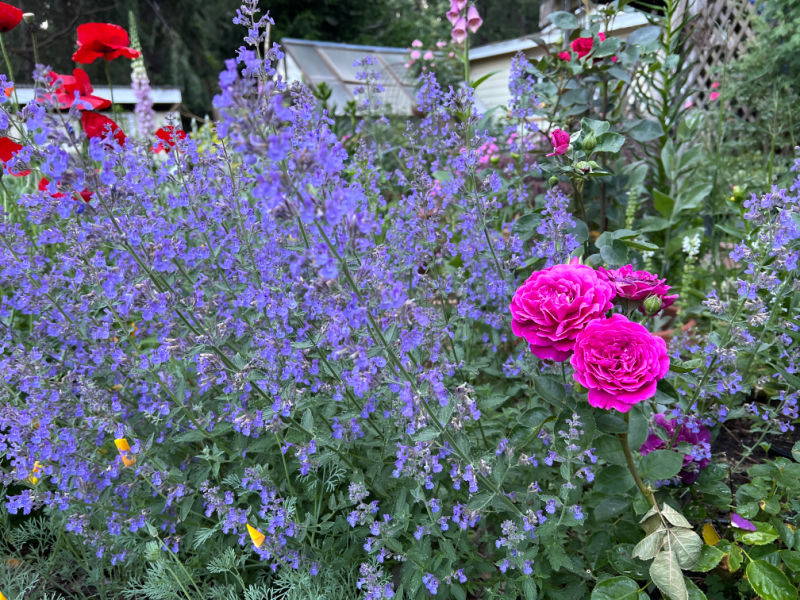
One of the reasons Nepeta has become such a favorite in cottage gardens is that it rarely asks for perfection. Give it sunshine, well-drained soil, modest watering once established, and an occasional haircut, and it will usually reward you with months of color and a steady parade of pollinators.
If your Nepeta isn’t thriving today, don’t be discouraged. Chances are, a few small adjustments are all it needs to become one of the hardest-working plants in your garden.
Hi, I’m Pamela
With 45 years of hands-on gardening experience, I love sharing practical tips, proven techniques, and inspiration drawn from my own gardens. My goal is to nurture your confidence, spark your passion, and help make every step of your gardening journey more enjoyable.