11 Things You Need to Know About Growing Yarrow
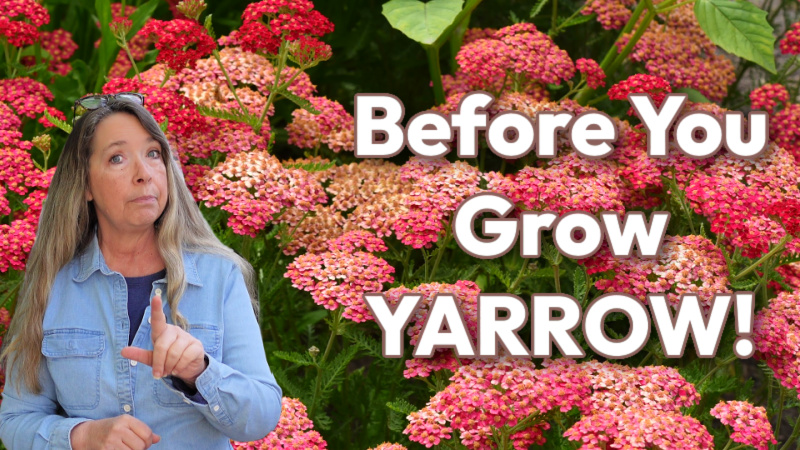
Yarrow (Achillea millefolium) is one of those plants that earns its place in the garden. It may not have the oversized blooms of a dahlia or the fragrance of a rose, but few perennials work harder. Yarrow tolerates drought, attracts pollinators, blooms for months, and asks for very little in return.
Whether you’re creating a cottage garden, pollinator border, or low-maintenance landscape, here are 11 things you need to know about growing yarrow successfully.
Quick Glance
- Summarize this Post With Your Favorite
- Press the Google Add Us as a Trusted Source for Garden Information
Important: Because of its vigorous nature, some call Yarrow invasive. It is a North Amercian Native plant and technically does not qualify as “invasive”. That term is used for non-native plants. But the common yarrow is very aggressive, in the right conditions.
This post contains affiliate links. If you make a purchase after clicking a link I may make a small commission at no cost to you.
1. Yarrow Loves Full Sun
If there is one secret to growing beautiful yarrow, it is giving it plenty of sunshine.
Yarrow performs best with at least six hours of direct sunlight each day. In hotter climates, all-day sun is ideal. Plants grown in too much shade tend to become floppy, produce fewer flowers, and are more prone to disease.
For sturdy stems and abundant blooms, choose the sunniest spot you have available.
2. Poor Soil Often Produces Better Plants
Many gardeners instinctively improve soil before planting, but yarrow is one perennial that actually prefers poor soil conditions.
Rich soil and excessive fertilizer encourage lush growth that often causes stems to flop over. Yarrow evolved in grasslands and meadows where nutrients are limited.
Well-drained soil is far more important than fertile soil. If your soil is average to poor, your yarrow will likely be happier than if it is pampered.
3. Once Established, It Is Extremely Drought Tolerant
Yarrow develops a deep, extensive root system that enables it to survive dry periods remarkably well.
During its first season, water regularly while roots establish. After that, many gardeners find yarrow needs little supplemental irrigation except during prolonged drought.
This makes it an excellent choice for water-wise gardens and areas with hot, dry summers.
4. Pollinators Absolutely Love It
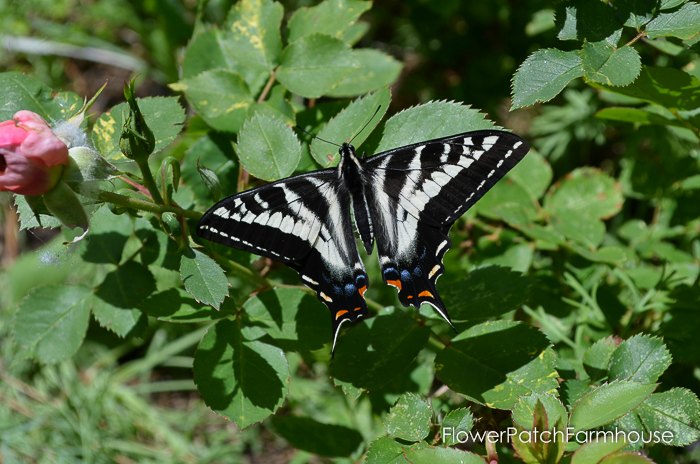
One of yarrow’s greatest strengths is its ability to attract beneficial insects.
The flat flower clusters provide easy landing pads for:
- Butterflies
- Native bees
- Honeybees
- Hoverflies
- Beneficial predatory wasps
- Lady beetles
Many beneficial insects rely on yarrow as a nectar source, making it a valuable addition to pollinator gardens and vegetable gardens alike.
5. It Blooms for Months
Unlike many perennials that flower for only a few weeks, yarrow can bloom from early summer well into fall.
The key is regular deadheading. (This will also help keep it in check and not become a bully)
When flower clusters begin fading, simply cut them back to a side shoot or set of leaves. This encourages additional flushes of blooms throughout the season.
A well-maintained plant can provide color for several months.
6. Modern Varieties Offer More Than Just Yellow
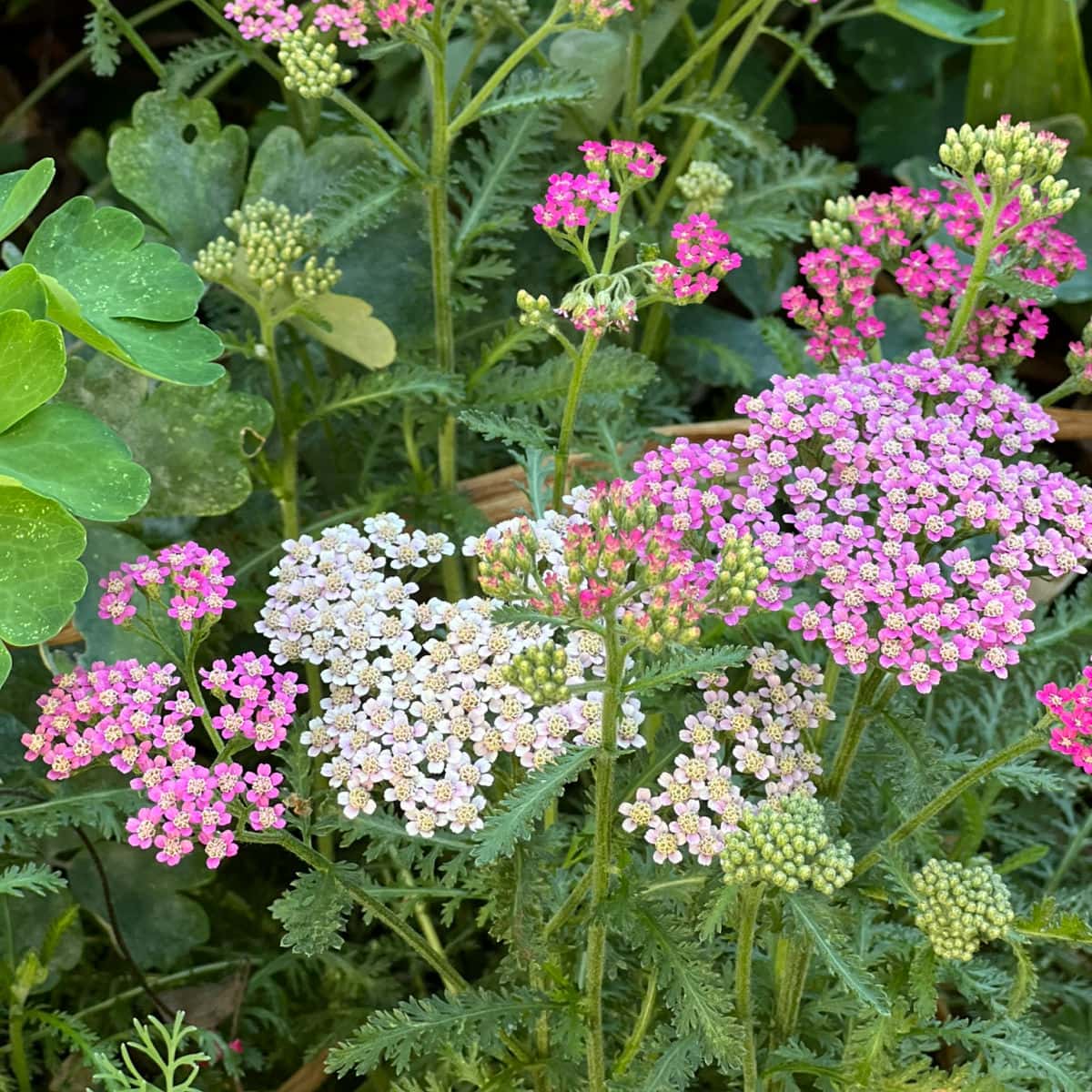
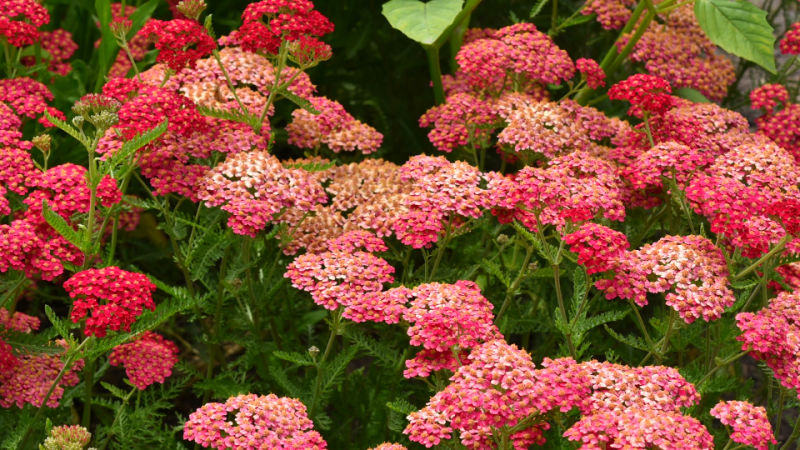
Many gardeners think of yarrow as the traditional yellow variety, but modern cultivars come in a wide range of colors.
Popular shades include:
- Soft pink
- Rose
- Red
- Coral
- Peach
- Cream
- White
- Gold
- Terracotta
Some varieties even change color as the blooms age, creating a beautiful multicolored effect in the garden.
Find seeds at Johnnys Seeds, Swallowtail Garden Seeds and Select Seeds.
7. It Can Spread
This is both a benefit and something to be aware of.
Common yarrow spreads through underground rhizomes and can gradually form larger colonies over time. In some regions it can become quite vigorous and a bully.
Garden hybrids are often better behaved, but all yarrow benefits from close monitoring.
If a clump grows larger than desired, divide it or remove unwanted shoots.
8. Dividing Every Few Years Keeps Plants Vigorous
Like many perennials, yarrow benefits from periodic division.
After about three to five years, the center of a clump may become less productive. Digging and dividing rejuvenates the plant, encourages stronger flowering, and provides free plants for other areas of the garden.
Spring or early fall are the best times to divide yarrow.
9. Deer and Rabbits Usually Leave It Alone
Its aromatic foliage and somewhat bitter taste make it less appealing than many other garden plants.
For gardeners struggling with browsing wildlife, yarrow can be a valuable addition to the landscape.

10. It Makes an Excellent Cut Flower
Yarrow isn’t just useful in the garden.
Its sturdy stems and long-lasting blooms make it a wonderful cut flower for fresh arrangements. The flowers also dry beautifully and retain much of their color.
Simply harvest stems when the flower clusters are fully open and either use them fresh or hang them upside down in a dry location for everlasting bouquets.
11. It Is One of the Easiest Perennials to Grow From Seed
If you’re looking for a budget-friendly perennial, yarrow is hard to beat.
Seeds can be started indoors, winter-sown, or direct-sown in the garden. Germination is usually reliable, and plants often flower in their second year, sometimes even the first under favorable conditions.
Because it grows quickly and requires little maintenance, yarrow is an excellent choice for beginning gardeners.
Final Thoughts
Yarrow may not demand attention, but it does deliver season after season. It tolerates drought, supports pollinators, provides months of color, and thrives with minimal care. In a world where many garden plants require constant watering, feeding, and fussing, yarrow is refreshingly independent.
If you’re looking for a perennial that is beautiful, resilient, and beneficial to wildlife, yarrow deserves a place in your garden.
Plant it once, give it sunshine and good drainage, and you’ll likely enjoy it for years to come.
For more on growing Yarrow, please visit this post!
Hi, I’m Pamela
With 45 years of hands-on gardening experience, I love sharing practical tips, proven techniques, and inspiration drawn from my own gardens. My goal is to nurture your confidence, spark your passion, and help make every step of your gardening journey more enjoyable.