20+ Deer‑Resistant Perennials for Your Garden
Struggling with deer or rabbits munching your garden? You’re not alone—and you don’t have to give in! These vibrant, low‑maintenance perennials typically stay off critter menus. (note: nothing is deer proof but many plants are not their favorites and many times they pass them by)
This post contains affiliate links. If you make a purchase after clicking a link I may make a small commission at no cost to you.
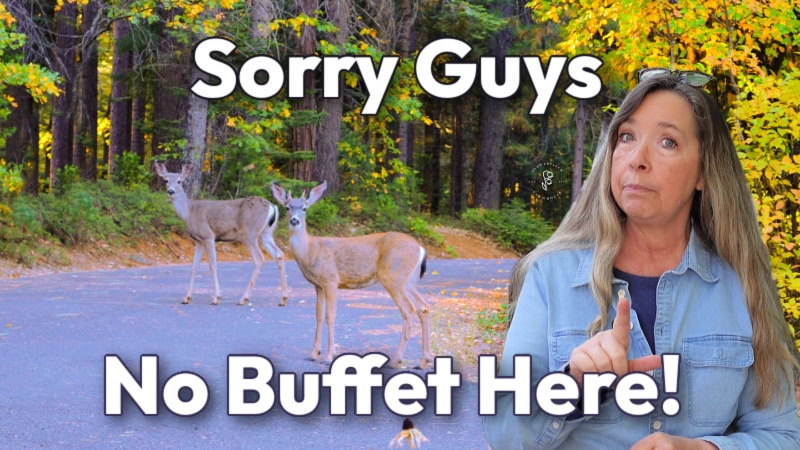
I also incorporated expert tips from my popular gardening video “20+ Deer Resistant Flowers and Plants”—explaining characteristics that make certain plants unappetizing to both deer and rabbits.
The first thing we need to state is if hungry enough, deer will eat just about anything and even some of the plants on this list. I have also added some additional deterrents that you may find effective to help keep plants safer in your garden.
What Makes Plants Less Appealing to Wildlife?
Deer and rabbits are deterred by:
- Fuzzy or hairy foliage
- Strong scents (minty, herbal)
- Spiny or textured leaves
- Toxic compounds in plants
These adaptations often make the plants less palatable, even under pressure.
Perennial Picks That Critters Usually Skip
Here’s a roundup of stellar choices, each with its growing zone, resistance level, and gardener-approved tip.
1. Russian Sage (Perovskia atriplicifolia)
- Zones: 4–9 | Resistance: High for deer & often rabbits
- Why it works: Aromatic, fuzzy foliage repels pests
- Tip: Prefers full sun and dry, well‑drained soil. Cut back in early spring for the best shape and blooms.
2. Catmint (Nepeta, e.g. Cat’s Pajamas)
- Zones: 3–8 | Resistance: Excellent for both deer and rabbits
- Why it works: Fragrant mint aroma, fuzzy texture
- Tip: Shear back after bloom for repeat flowering. Great for edging and pollinator gardens.
3. Yarrow (Achillea ‘Firefly’ series)
- Zones: 3–9 | Resistance: Very high
- Why it works: Aromatic, coarse leaves—turned off by critters
- Tip: Ideal in hot, dry spots; deadhead for continuous blooms. Avoid rich soil – it can flop if too lush. Support if necessary.
4. Coneflower (Echinacea)
- Zones: 3–9 | Resistance: Moderate to high (sometimes for rabbits)
- Why it works: Spiky seed cores discourage grazing
- Tip: Deadhead for extended flowering; in Fall leave some seedheads for winter birds.
5. Black-Eyed Susan (Rudbeckia)
- Zones: 3–9 | Resistance: Moderate (deer) to good (rabbits)
- Why it works: Fuzzy, hairy leaves and stems help deter browsing, though young plants may be nibbled
- Tip: Plant in full sun for best blooms. Deadhead regularly for extended flowering, and divide every few years to maintain vigor. Many will also self-seed.
18 Cottage Perennials That Plant Themselves
6. Lavender (Lavandula angustifolia, L. x intermedia)
- Zones: 5–9 (some varieties hardy to Zone 4)
- Resistance: Excellent (deer & rabbit)
- Why it works: Strongly aromatic foliage is a natural deterrent to most wildlife. Its high essential oil content makes it unappetizing.
- Tip: Needs full sun and well-drained soil. Avoid overwatering. Light pruning after bloom keeps plants neat and encourages repeat flowering.
- Extra: English lavenders (‘Munstead’, ‘Hidcote’) are best for cold climates; Spanish and French lavenders prefer warmer zones.
7. Bee Balm (Monarda didyma, Monarda fistulosa)
- Zones: 4–9
- Resistance: Moderate (deer and rabbits)
- Why it works: Strong minty scent and coarse foliage help deter nibbling. However, young shoots may be vulnerable until established.
- Tip: Prefers moist, well-drained soil and full sun. Divide every 2–3 years to reduce mildew and keep plants vigorous.
- Extra: A pollinator magnet—especially for hummingbirds and butterflies!
How to Grow Bee Balm in Your Garden
8. Coreopsis
- Zones: 4–9
- Resistance: High (deer and rabbits)
- Why it works: Fine, thread-like foliage and slightly bitter taste make it unappealing to grazers.
- Tip: Thrives in full sun and average to poor soil. Deadhead regularly to keep blooms coming, and divide every few years to maintain plant health.
- Extra: Varieties like ‘Moonbeam’ and ‘Zagreb’ are especially tough and long-blooming. Common tickseed reseeds itself and will spread readily.
9. Salvia (Salvia nemorosa, Salvia x sylvestris, and others)
- Zones: 4–9 (varies by species)
- Resistance: Excellent (deer and rabbits)
- Why it works: Intensely aromatic leaves and a slightly bitter taste make this a strong natural repellent.
- Tip: Loves full sun and well-drained soil. Trim back after first bloom to encourage a second flush.
- Extra: Cultivars like ‘Caradonna’, ‘May Night’, ‘Mystic Spires’, and ‘Blue Hill’ are long bloomers and pollinator favorites. (There are over 2000 varieties, so there is one to fit your garden scheme and color palette)
10. Peony (Paeonia lactiflora, Paeonia officinalis, etc.)
- Resistance: Moderate (deer and rabbits)
- Why it works: Mature peony foliage is typically avoided due to its bitter taste, though young shoots may be vulnerable in early spring.
- Tip: Needs full sun and rich, well-drained soil. Plant with the crown no deeper than 1–2 inches below the soil, or it may not bloom.
- Extra: Long-lived and low-maintenance once established—many peonies thrive for decades!
How to Plant Bare Root Peonies
11. Lamb’s Ear (Stachys byzantina)
- Zones: 4–9 | Resistance: Excellent
- Why it works: Silvery, fuzzy leaves are unappetizing
- Tip: Needs good drainage and full sun. Watch spread in rich soil, it can become aggressive; prune spent flowers.
12. Lenten Rose (Helleborus)
- Zones: 4–9 | Resistance: Excellent
- Why it works: Toxic and leathery foliage repels most animals
- Tip: Plant in well-drained, rich soil for winter and early spring color. Performs best in part to full shade.
13. Bleeding Heart (Dicentra)
- Zones: 3–9 | Resistance: High
- Why it works: Fuzzy foliage and delicate blooms, flavor is mostly avoided
- Tip: Prefers moist, shaded spots; foliage may die back and go dormant in summer heat.
14. Foxglove (Digitalis)
- Zones: 4–9 | Resistance: Very high
- Why it works: Toxic nature keeps animals away
- Tip: Biennial/semi‑perennial—let it self‑seed for continuity. In many areas it grows best in part shade but in my garden full sun if fine.
15. Columbine (Aquilegia spp.)
- Zones: 3–9
- Resistance: Moderate (deer and rabbits)
- Why it works: Delicate, lacy foliage and mildly toxic compounds make it unappetizing to many grazers, though not foolproof.
- Tip: Grows well in partial shade to full sun, depending on variety. Let a few flowers go to seed for natural self-sowing and garden longevity.
- Extra: Available in a rainbow of colors—great for cottage gardens and early-season pollinators.
16. Baptisia (False Indigo)
- Zones: 3–9 | Resistance: High
- Why it works: Deep taproots and firm foliage deter nibblers
- Tip: Choose a permanent spot—slow to establish but long‑lived. Drought-tolerant once mature. Full sun preferred
17. Ferns (Various genera – e.g., Dryopteris, Athyrium, Matteuccia)
- Zones: 3–9 (varies by species)
- Resistance: Moderate to high (depending on variety)
- Why it works: Many ferns have tough, fibrous, or unpalatable fronds that deter deer and rabbits, especially in shadier, undisturbed areas.
- Tip: Thrive in partial to full shade with consistently moist, humus-rich soil. Perfect under trees or in woodland gardens.
- Extra: Japanese Painted Fern and Ostrich Fern are popular options for texture, color, and critter resistance.
18. Agastache (Agastache spp., often called Hummingbird Mint)
- Zones: 5–10 (some varieties hardy to Zone 4 with protection)
- Resistance: Excellent (deer and rabbits)
- Why it works: Strongly minty aroma and slightly fuzzy foliage make it highly unpalatable to grazers.
- Tip: Requires full sun and well-drained soil. Avoid wet feet in winter. Deadhead to extend bloom time and encourage bushier growth.
- Extra: Loved by pollinators—especially hummingbirds, bees, and butterflies!
19. Shasta Daisy (Leucanthemum x superbum)
- Zones: 4–9
- Resistance: Moderate (deer and rabbits)
- Why it works: The coarse leaves and strong scent make it less desirable to grazers, though young plants may occasionally be nibbled.
- Tip: Prefers full sun and well-drained soil. Deadhead to prolong blooming and divide every few years to maintain vigor.
- Extra: Classic daisy look adds cheerful structure to sunny borders and cutting gardens.
Grow Masses of Daisies
20. Gaillardia (Gaillardia pulchella, Gaillardia x grandiflora)
- Zones: 3–10
- Resistance: Excellent (deer and rabbits)
- Why it works: Bitter-tasting foliage and tough texture make it very unappealing to wildlife.
- Tip: Thrives in full sun, heat, and poor soils. Deadhead spent flowers to encourage more blooms and prolong the season.
- Extra: One of the longest-blooming perennials—perfect for pollinators and drought-prone spots.
21. Asters (Symphyotrichum spp. – formerly Aster)
- Zones: 3–8 (varies by species)
- Resistance: Moderate (deer and rabbits)
- Why it works: The slightly coarse foliage and taste make asters unpalatable, though young growth may occasionally be sampled.
- Tip: Plant in full sun with good air circulation to help prevent powdery mildew. Pinch back in early summer to promote bushiness and more blooms.
- Extra: Excellent for extending color into fall and supporting pollinators when few other flowers are blooming.
22. Cardinal Flower (Lobelia cardinalis)
- Zones: 3–9
- Resistance: Moderate (deer and rabbits)
- Why it works: The bitter-tasting foliage and slightly toxic nature deter many grazers, though protection may still be needed when plants are young or stressed.
- Tip: Thrives in moist to wet soil and partial shade—ideal for rain gardens, stream edges, or low-lying areas.
- Extra: A magnet for hummingbirds! Its vivid red blooms add a dramatic splash of color to late-summer gardens. It is also available in beautiful blue and fuchsia colors.
23. Joe Pye Weed (Eutrochium purpureum)
- Zones: 4–9
- Resistance: Moderate (deer and rabbits)
- Why it works: Tall stature and slightly bitter foliage discourage regular browsing, especially once mature.
- Tip: Prefers moist, rich soil and full to part sun. Give it space—this plant can grow tall and wide, making it ideal for back borders or rain gardens. (There are dwarf varieties, too)
- Extra: Attracts masses of butterflies and other pollinators with its domed, dusky-pink flower heads.
24. Veronica (Spike Speedwell)
- Zones: 4–8 | Resistance: Good
- Why it works: Fine-textured leaves and slender blooms are often skipped
- Tip: Great in sun to part shade with well-drained soil.
25. Anemone (Japanese fall-blooming types)
- Zones: 4–8 | Resistance: High
- Why it works: Most parts are unpalatable to wildlife
- Tip: Perfect for fall interest in partly shaded borders.
26. Ligularia (‘Bottle Rocket’)
- Zones: 4–9 | Resistance: Good
- Why it works: Coarse serrated foliage not attractive to deer
- Tip: Best in moist shade; watch for slug damage.
27. Allium
- Zones: 4–8 | Resistance: High
- Why it works: Oniony scent repels grazers
- Tip: Pair with pollinator-friendly blooms for visual contrast.
- Zones: 4–9 | Resistance: Good
- Why it works: Taste disliked by animals, especially rabbits
- Tip: Needs moist shade; avoid drought.
Both Bulb and Summer-Blooming Perennial alliums are rabbit- and deer-resistant, but note that gophers love them. So, plant in cages to keep them safe if you struggle with gophers.
28. Brunnera (Heartleaf Brunnera)
- Zones: 3–8 | Resistance: High
- Why it works: Rough-textured leaves deer avoid
- Tip: Excellent shade groundcover; aggressive self‑seeder and seedlings may not come true to the parent plant. Deadhead to prevent self-seeding and propagate with divisions for more.
Tips for Creating a Wildlife-Resistant Garden
- Cluster resistant plants, especially mixing strong-scented, fuzzy, and textured foliage.
- Start with protective covers or repellent sprays for young transplants. These have worked for me: Scented Outdoor Balls and Deer Out Spray (you must keep spraying at least weekly if not every 3 days while deer pressure is high).
- Leave seedheads (e.g. coneflower) for birds and visual interest.
- Limit high-nitrogen fertilizers, which create lush growth attractive to nibblers. This organic fertilizer has a scent that is discouraging to deer, rabbits and gophers: Eco Organic Sustainable Liquid Fertility and has a balanced nutrient profile.
- Use mulch, low-growing ground covers and pruning to discourage dense undergrowth favored by rabbits.
- Physical Deterrents motion-activated sprinklers and watch the video for another visual deterrent that did work for me that you an easily DIY!
Final Thoughts from My Garden to Yours
There you have it—28 of my favorite deer- and rabbit-resistant perennials that I’ve used (and loved) in my garden over the years. While no plant is completely immune to nibbling when wildlife is extra hungry, these have proven to be reliable performers that can stand up to the challenge with minimal fuss.
I always say: gardening should bring you joy, not frustration. With a little planning and the right plant choices, you can grow a garden that’s bursting with color, buzzing with pollinators, and less likely to become a critter buffet.
If you’ve tried any of these—or have a few of your own go-to resistant plants—I’d love to hear about them in the comments. Let’s keep learning and growing together!
Happy gardening!
Hi, I’m Pamela
With 45 years of hands-on gardening experience, I love sharing practical tips, proven techniques, and inspiration drawn from my own gardens. My goal is to nurture your confidence, spark your passion, and help make every step of your gardening journey more enjoyable.