Pruning Petunias for More Flowers
How to Prune Petunias for a Gorgeous Garden – Easy Steps
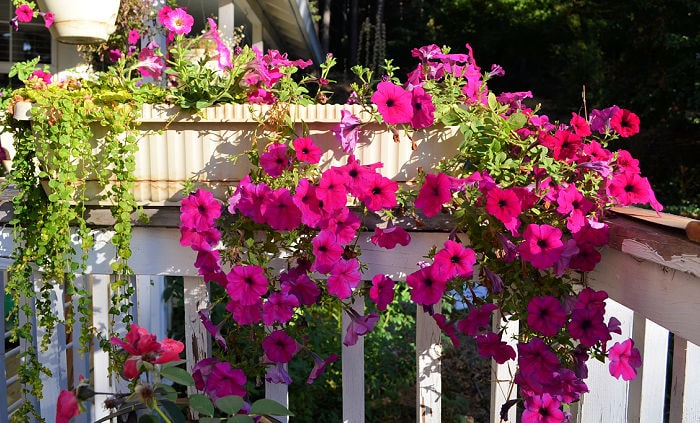
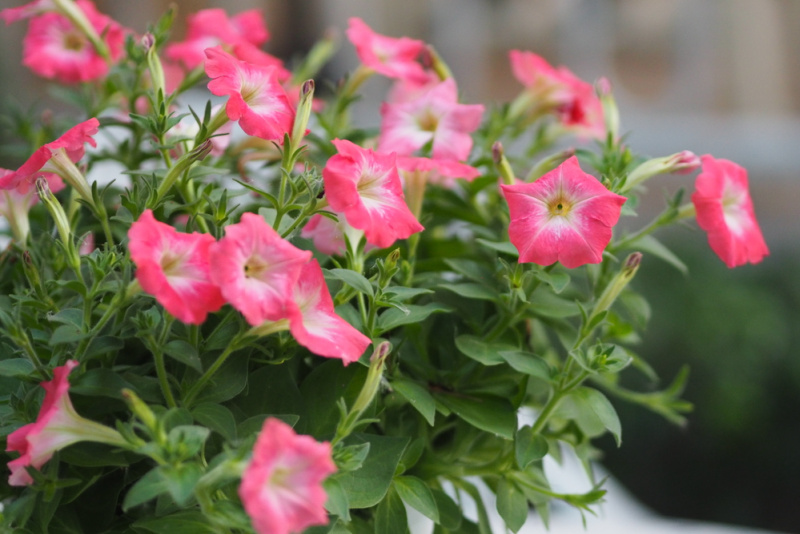
Petunia plants are a popular annual because they are so easy to grow and provide color in the garden all summer long. Pruning petunias will keep them looking their best until the first frost.
This post contains affiliate links. If you make a purchase after clicking a link I may make a small commission at no cost to you.
Pruning keeps petunias blooming, lusher, and healthier whether they are in garden beds, a hanging basket, or containers. This simple guide should equip you to prune your petunias with confidence.
Why Pruning is Important
Pruning petunias is important for several reasons:
- Encourages New Growth: When you prune petunias, you stimulate the plant to produce new stems and leaves, leading to a bushier and healthier plant.
- Prevents Leggy Petunias: Without pruning, petunias can become long and spindly. Pruning helps maintain a tidier and more attractive shape.
- Extends Bloom Period: Regularly removing spent blooms and trimming back stems can result in more flowers over a longer period, giving you a continuous display of blooms. Spent flowers are where the seed pod develops, when you cut it off this disrupts the production of seeds.
When to Prune Petunias
Timing should be considered when it comes to pruning petunias. Here are some ideas of when you should prune to keep your plants healthy and blooming:
Initial Pruning:
If you grew your petunias from seed then the first pruning or pinching will come just a few weeks after germination, depending on how fast the seedlings grow. In this video I share petunia seedlings I started a few weeks back and how I pinch them to get better branching and more flowers.
Pinching After Planting: Once your petunias are established and have grown a bit, usually a few weeks after planting, you can give them a light prune.
To be more precise, this is not called a prune but instead, this is pinching. This encourages the plants to start growing more branches. The video I shared above shows via a diagram I sketched on how pinching works.
It is a great way to help the plants thicken up. You can pinch the plants at planting time if they have already become a bit stretched by the time you buy them which can happen at garden centers.
Ongoing Maintenance for Best Results:
Throughout the Season: Regularly check your petunias for spent blooms (also known as deadheading) and leggy growth during the growing season. Prune petunia stems every few weeks to keep them in good shape. If yours are growing just fine and show no signs of getting spent, wait longer between maintenance prunes.
If you buy your petunias already in full bloom in late Spring, they will probably need some more pruning by early July.
Tools and Supplies Needed
You don’t need to be too picky about tools, most pruners or garden shears will work just fine. If you need to prune off more than a few stems you may wish to use grass shears, this can make fast work of the job.
If you are merely dead heading, I find these smaller snips easier to maneuver.
Step-by-Step How to Prune Petunias
Step 1: Inspecting the Plant
What to look for…
Long stems, limp stems, spent blooms, and reduced flower production. (Supertunias do not usually set seed but will tend to get leggy towards mid-summer or after a heat wave. Wave Petunias will set seed but keep on blooming but may need a trim during the season)
Step 2: Cutting Techniques
Don’t be too precious with this. Just cut. Some will say to cut to the leaf nodes where new stems will grow. Trust me, they will grow even if you cut less precisely. There is no need to make it more difficult than it needs to be.
Step 3: Deadhead Petunias
Deadheading means removing faded or spent petunia blooms to encourage the plant to produce more flowers. While it can feel a bit tedious, it’s easy to turn it into a relaxing garden habit. For example, I like to walk through the garden each morning with my coffee and a pair of pruners, snipping off spent blooms as I go. This task is especially important for standard petunias, which need more frequent deadheading to keep blooming well.
In ideal conditions, I have seen flowerbeds or petunia baskets filled with flowers that don’t get much maintenance at all and they still perform beautifully. If you are a busy gardener and want something easy, read the label carefully, and it will tell you if the petunia plant will not need careful tending.
Whether or not to deadhead petunias is up to you.
If your potted petunias are looking wilted and bedraggled despite being watered well, you may need to take a different approach.
Yes, this Can Be Saved!
Common Pruning Mistakes to Avoid
Over-Pruning: Risks of cutting too much at once. More often than not most folks under-prune in fear of this mistake, so don’t overthink it. Take off a third of the plant if in doubt, or every third stem. Do another third the following week, then the last after another week. And if you cut off more, don’t worry; petunias are fast growers.
Dull Tools: If your cutting tool is not sharp, it will crush the stems instead of cutting them, or make ragged cuts. Clean cuts help the plant heal faster, ensuring it is resilient against pests and diseases. A stressed plant is a vulnerable plant.
Neglecting Regular Maintenance: Consistent pruning keeps the petunia plant looking its best, but no worries, if you get behind and the worst happens you can see how to fix it here.
It can take a few weeks to revive a petunia, but it will revive.
Aftercare Tips
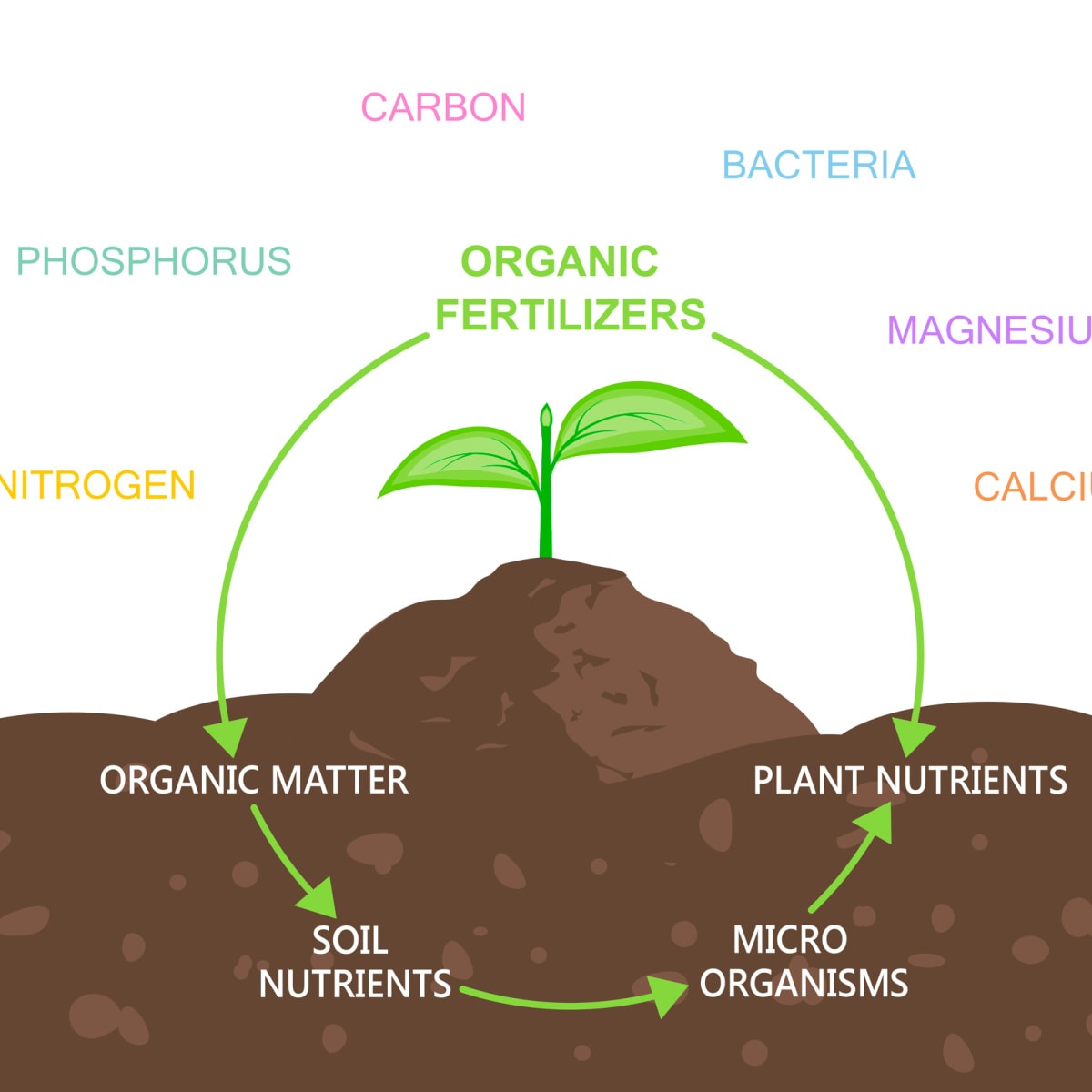
Fertilizing petunias is always a good idea, for more on that topic be sure and read all about that here.
The Most Effective Way to Fertilize Petunias, Organically!
Watering: Water as needed after pruning. They like to be kept moist but not wet. If you get a dry spell then monitor the soil moisture to make sure they get enough.
Pest and Disease Management: Monitoring for any issues and addressing them promptly. For more on that see the following post…
Find out more about growing the best petunias ever!
How to Grow the Most Gorgeous Petunias!
Pruning petunias is a simple yet essential task that can make a big difference in your flower garden. By following the right techniques and timing, you can encourage fuller growth, prevent legginess, and enjoy more vibrant blooms.
With these tips, your petunia flowers will thrive, adding beauty and color to your garden all season long.
Happy gardening!
Hi, I’m Pamela
With 45 years of hands-on gardening experience, I love sharing practical tips, proven techniques, and inspiration drawn from my own gardens. My goal is to nurture your confidence, spark your passion, and help make every step of your gardening journey more enjoyable.