5+ Steps to Prepare Your Houseplants for Moving Indoors
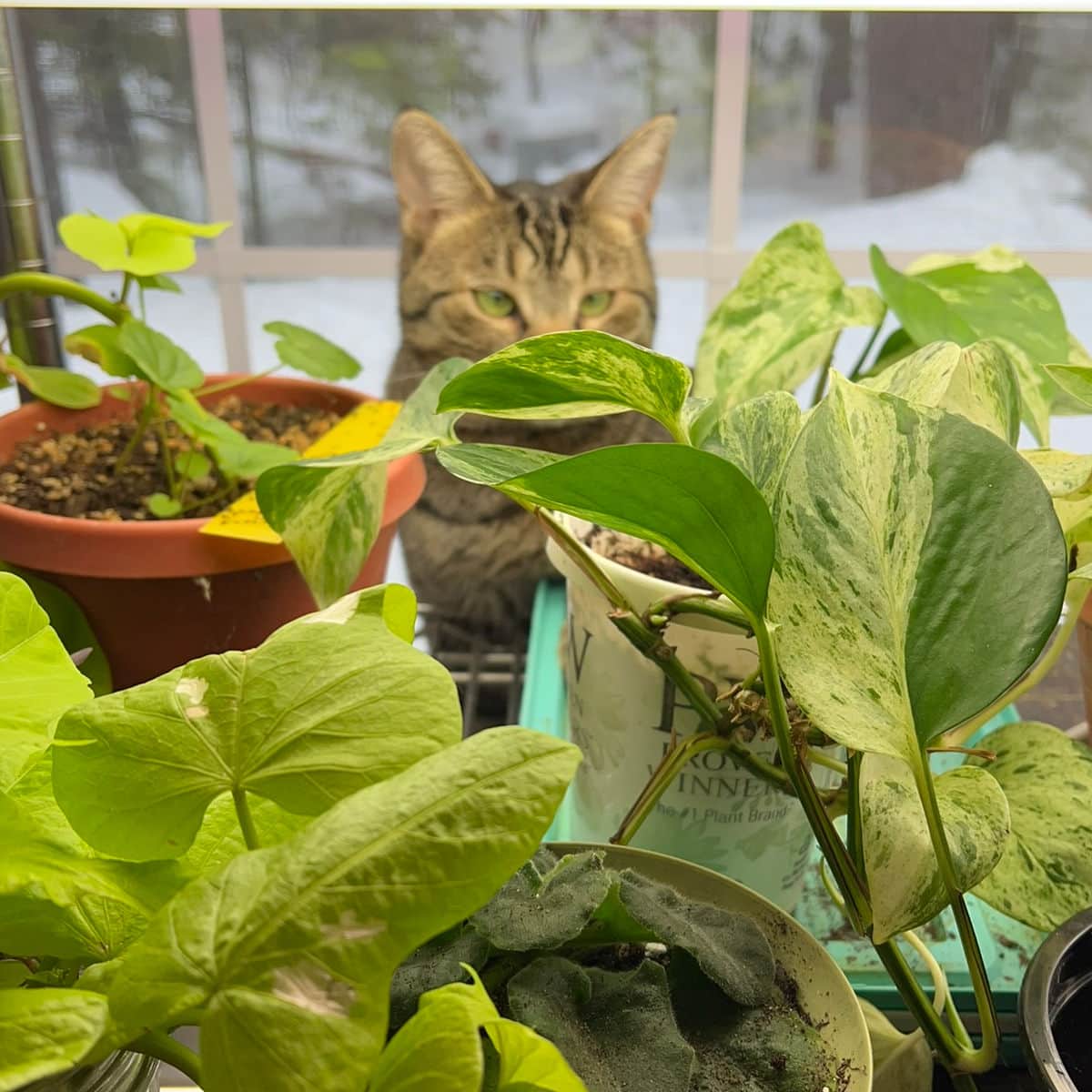
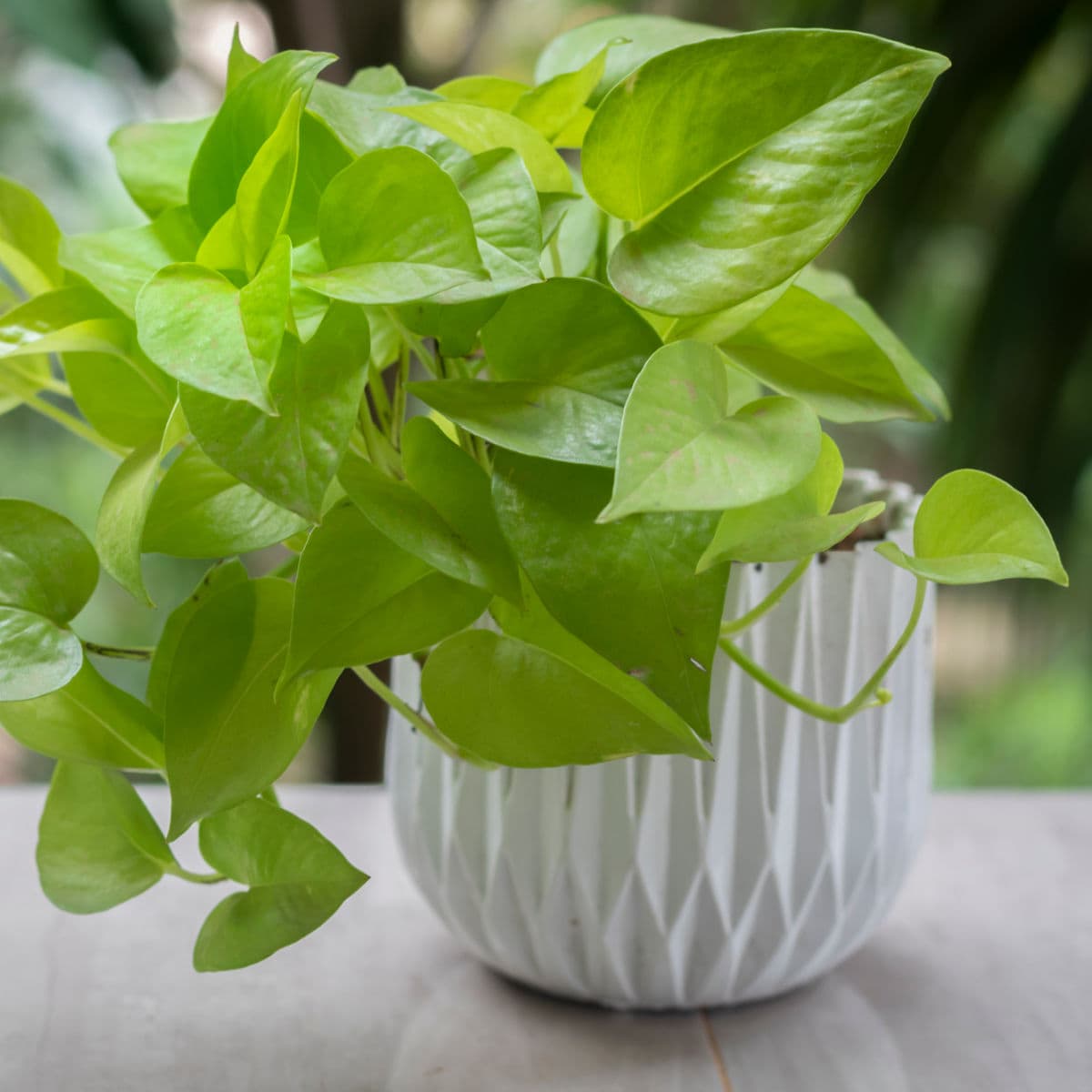
As much as I love seeing my houseplants thrive outdoors all summer long, when the nights start dipping into the 40s or low 50s, it’s time to bring them back inside. Transitioning them from the fresh air and sunshine of summer to the cozy indoors takes a little preparation—mainly to avoid pests and keep them healthy. Over the years, I’ve settled on a simple, no-fuss routine that works for me.
If you’re ready to tuck your plants in for fall and winter, here’s my “lazy gardener’s” method for preparing houseplants to come indoors.
This post contains affiliate links. If you make a purchase after clicking a link I may make a small commission at no cost to you.
Step 1: Give Them a Good Wash
Plants collect dust, dirt, and the occasional hitchhiking pest while outside. Instead of wiping each leaf by hand (which could take all day), I give mine a thorough spray down with the garden hose. A shower works too if it’s already too chilly outside.
Make sure to spray underneath the leaves where pests like to hide. A handheld hose nozzle or sprayer makes this job easy.
Step 2: Treat for Pests
Even if your plants look healthy, you’ll want to treat them before bringing them indoors. My go-to product is Sierra Natural Science’s Systemic Insect Killer, made with rosemary and clove oils. It smells nice, is organic, and has worked wonders on stubborn pests like scale.
I spray the leaves thoroughly and also use it as a soil drench to tackle any insects hiding in the potting mix.
Other options include:
- Neem oil (effective, but the smell lingers indoors)
- Soapy water soil dunk (some gardeners swear by this,tsp dish soap to 1 gallon of water)
- Hydrogen peroxide drench (mixed 1 part peroxide to 3 parts water)
- Mosquito bits soak (steep in water, then use to water plants and kill fungus gnat larvae)
Note: Over-the-counter Hydrogen Peroxide does contain other elements you may not wish to put in the soil for plants you will use as food. This one is a good food grade product that is safer for that.
Step 3: Watch Out for Fungus Gnats
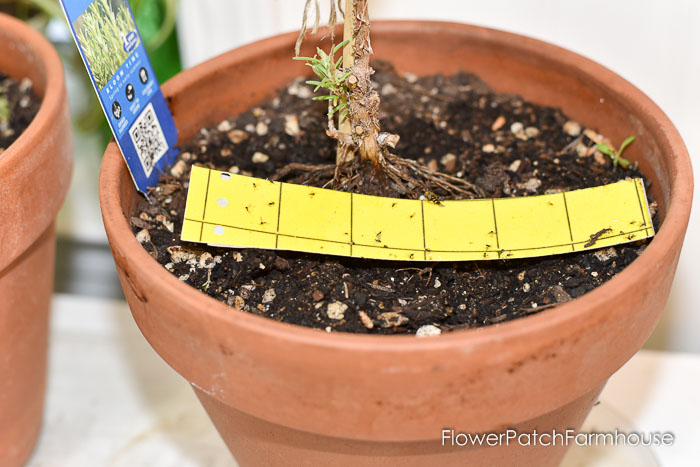
Fungus gnats can be a nuisance by hatching and proliferating once plants are inside, with the cushy, warm temperatures and environment. I avoid using soil mixes with a high percentage of peat moss or coconut coir, as they retain too much moisture and make for a great breeding ground for gnats.
To prevent problems:
- Sterilize soil before using it (boiling water or microwave pasteurization works)
- Use mosquito bits water treatment
- Set up sticky yellow traps near your plants to catch adults
See this post for a detailed explanation
Step 4: Check Pot Sizes
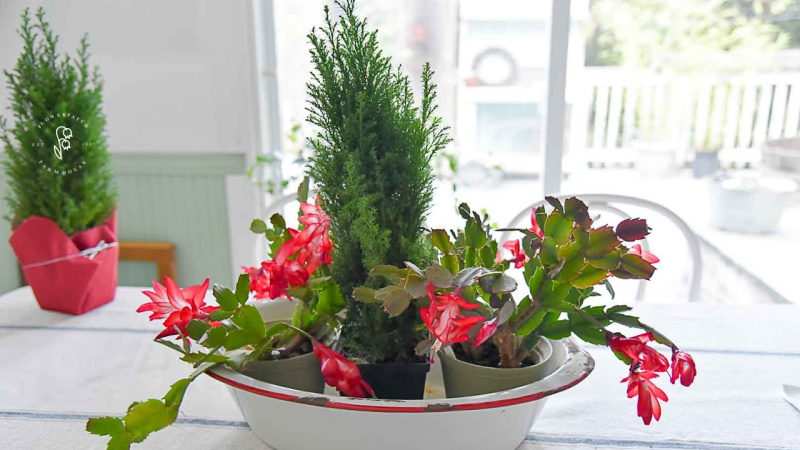
If you’re bringing in geraniums, holiday cacti, or other houseplants, consider their container size. Smaller pots fit better on windowsills and make overwintering easier.
For holiday cacti in particular, avoid repotting before bringing them inside. Repotting can shock the plant and cause buds to drop before blooming.
Step 5: Be Proactive with Spider Mites
Spider mites love dry indoor conditions and can appear out of nowhere—especially on plants like sweet potato vines. Spray thoroughly before bringing them in and keep a close eye once indoors.
If you spot mites later, treat them quickly with neem oil, insecticidal soap, or your preferred organic spray. This is my favorite organic spray, it is made from botanicals and smells nice.
Step 6: Acclimating Indoors (Optional)
Some gardeners prefer to slowly transition plants indoors by bringing them inside at night and back out during the day. This helps them adjust to the new environment.
I’ll be honest—I skip this step. My plants go straight from the deck to the indoors, and they’ve never shown signs of stress. Sometimes, simple really is best.
I usually choose my office where it is cooler than the living room. We heat with a woodstove, and it gets much too warm in there. My office is where I have my light racks for indoor seed starting, and I keep it a bit more humid for plants.
Final Thoughts
Getting your houseplants ready for life indoors doesn’t have to be complicated. A good wash, a preventive spray, and some proactive steps against fungus gnats and spider mites go a long way.
My biggest tip for holiday cacti: let them spend all summer outside, then bring them in around October 1st when the nights get cool. That natural seasonal shift encourages them to set buds, and you’ll enjoy beautiful blooms in time for the holidays.
So set aside a day, give your plants a little TLC, and welcome them back indoors for a cozy winter season.
Hi, I’m Pamela
With 45 years of hands-on gardening experience, I love sharing practical tips, proven techniques, and inspiration drawn from my own gardens. My goal is to nurture your confidence, spark your passion, and help make every step of your gardening journey more enjoyable.