Understanding the Persephone Period in Gardening — and Why It Matters
If you’ve gardened for a while, you know that the garden has a rhythm. There’s a natural flow to the seasons that affects how everything grows — or doesn’t. One of the most important (but often overlooked) parts of this rhythm is something called the Persephone Period. Understanding it can make a big difference in how you plan your winter garden, protect your perennials, and set yourself up for a thriving spring.
This post contains affiliate links. If you make a purchase after clicking a link I may make a small commission at no cost to you.
What Is the Persephone Period?
The Persephone Period is a term coined by Eliot Coleman, a pioneer in four-season gardening. It refers to the time of year when the day length drops below 10 hours. Plants need at least 10 hours of light per day to maintain active growth. Once daylight dips below that threshold, most plants stop growing — even if temperatures are mild.
This isn’t because the plants are dying; they’re just pausing. Think of it as a deep rest rather than a decline. Growth resumes when daylight increases again, even if the weather is still cold.
Why It’s Called “Persephone”
The name comes from Persephone, the Greek goddess who spends part of the year in the underworld. While she’s away, the earth becomes quiet and dormant — much like what happens in the garden during these short, dim days. It’s a poetic way to describe the “rest” period between active growing seasons.
Why the Persephone Period Matters
Many gardeners — including myself — assumed that as long as temperatures stay moderate, things will continue to grow. But light is just as important as warmth. Once daylight shortens to under 10 hours, plants simply won’t produce new leaves or stems, no matter how perfect the soil and watering might be.
Knowing when your Persephone Period starts and ends helps you:
- Plan your planting: Fall-planted crops need time to mature before the Persephone Period begins. Once it does, they’ll hold in place and can be harvested over winter, but they won’t keep growing.
- Time your harvests: If you want winter greens, they should reach near maturity before this period starts.
- Protect perennials: It helps you understand why certain plants stop flowering or producing, so you’re not worrying unnecessarily.
- Plan for spring: Growth kicks back in as soon as day length returns to 10 hours. You can use this knowledge to get an early jump on the season.
How to Find Your Persephone Dates
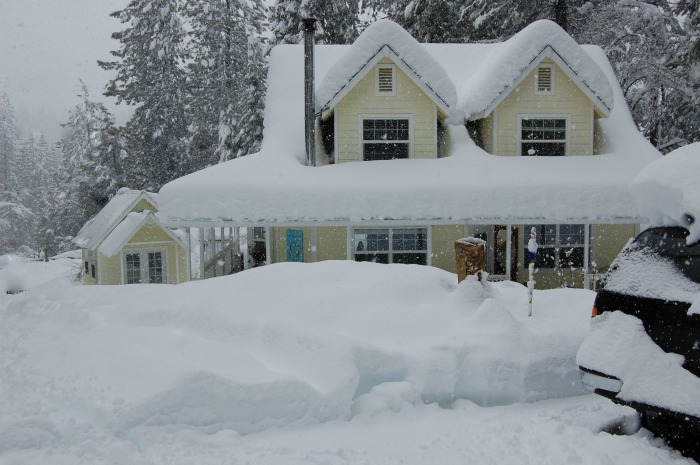
Every region has its own Persephone Period, depending on latitude. In my area of Northern California, where I garden, our Persephone Period usually starts in late November and ends in late January.
You can look up your sunrise and sunset times and count the days when daylight drops below 10 hours. This is your window. Mark it on your calendar — it’s incredibly helpful when planning winter plantings.
Tip: Websites like Time and Date or simple daylight calculators can tell you the exact dates for your area.
What Happens to Plants During This Time
During the Persephone Period, plants enter a sort of “pause button” mode. Roots may still grow a bit, especially if the soil is above freezing, but leaves and stems won’t. This is why:
- Your lettuce may just sit there for weeks without changing much.
- Carrots will hold beautifully in the ground but won’t size up further.
- Flowering plants will rest, storing energy for spring.
This pause is actually a good thing. It means your garden is conserving resources, and you can enjoy a break, too.
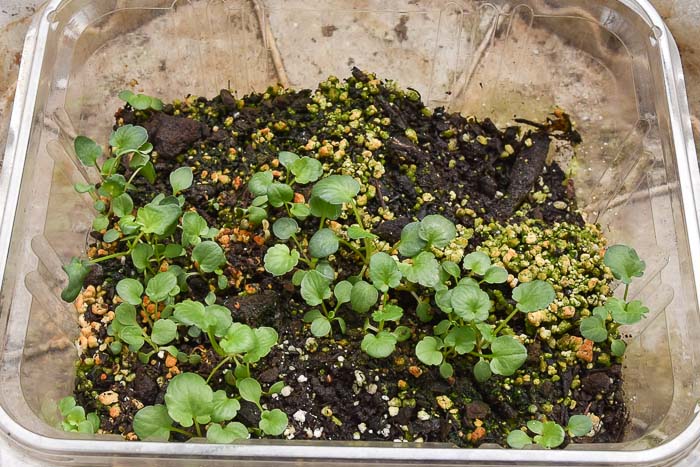
Yet, if you have a greenhouse or indoor growing area you can still grow through this period with the help of grow lights! The lights supplement the daylight, and you can continue to enjoy growing things.
How to Work With (Not Against) the Persephone Period
Instead of fighting it, use the Persephone Period to your advantage:
- Plant earlier in fall so crops reach harvest size before growth slows.
- Mulch well to protect soil and perennials.
- Harvest slowly — winter crops can stay fresh in the garden for weeks.
- Plan and dream for spring — this is a wonderful time to tidy up, make notes, and prepare seed orders.
Why This Knowledge Empowers You as a Gardener
When I learned about the Persephone Period, it completely changed how I viewed winter gardening. No more frustration over slow-growing greens or stalled plants. Instead, I understood that this is just how nature works — and I could work with it, not against it.
Gardening isn’t just about what we plant, but when we plant. Timing is everything, and knowing your Persephone Period is one of those secret ingredients that separates a good garden from a great one.
In short: The Persephone Period isn’t a gardening roadblock — it’s a seasonal rhythm that gives both you and your garden a well-deserved rest. Embrace it, plan around it, and your plants will reward you when the light returns.
? Have you noticed when your garden hits its “pause” each year? Mark your Persephone dates this season and see how it changes your gardening approach.
Happy Winter Gardening!
Hi, I’m Pamela
With 45 years of hands-on gardening experience, I love sharing practical tips, proven techniques, and inspiration drawn from my own gardens. My goal is to nurture your confidence, spark your passion, and help make every step of your gardening journey more enjoyable.