11 Things You Should Know About Growing Marigolds
Back by Science, not hearsay!
There’s something about marigolds that feels like an old friend in the garden.
They’re cheerful, reliable, and tucked into so many cottage gardens for generations—but they’re also one of the most misunderstood flowers out there. You’ll hear everything from “they repel all pests” to “just plant them anywhere, and they’ll thrive.”
But, as with most things in gardening, the truth is a bit more nuanced.
If you want marigolds that truly perform—full, bushy, bloom-loaded plants—these are the 11 things you need to know, based on actual horticultural research and field studies.
This post contains affiliate links. If you make a purchase after clicking a link I may make a small commission at no cost to you.
1. Marigolds Are Not All the Same (Species Matters)
“Marigold” is a common name that covers several species in the Tagetes genus, and they behave differently in the garden.
The most common types:
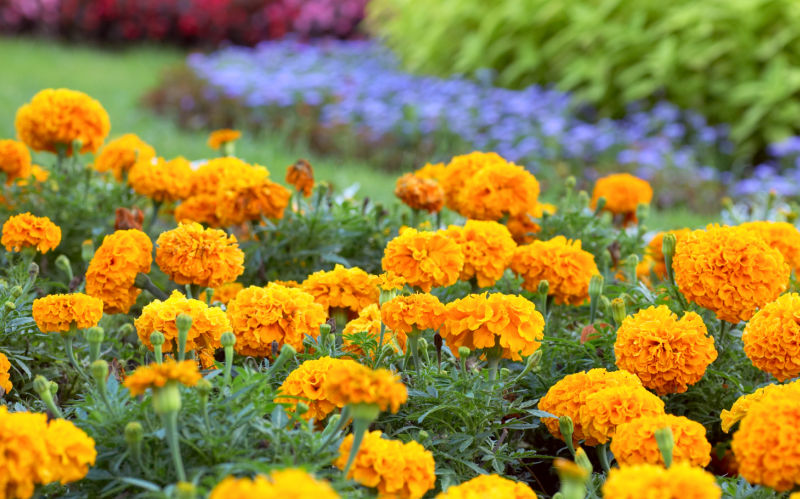
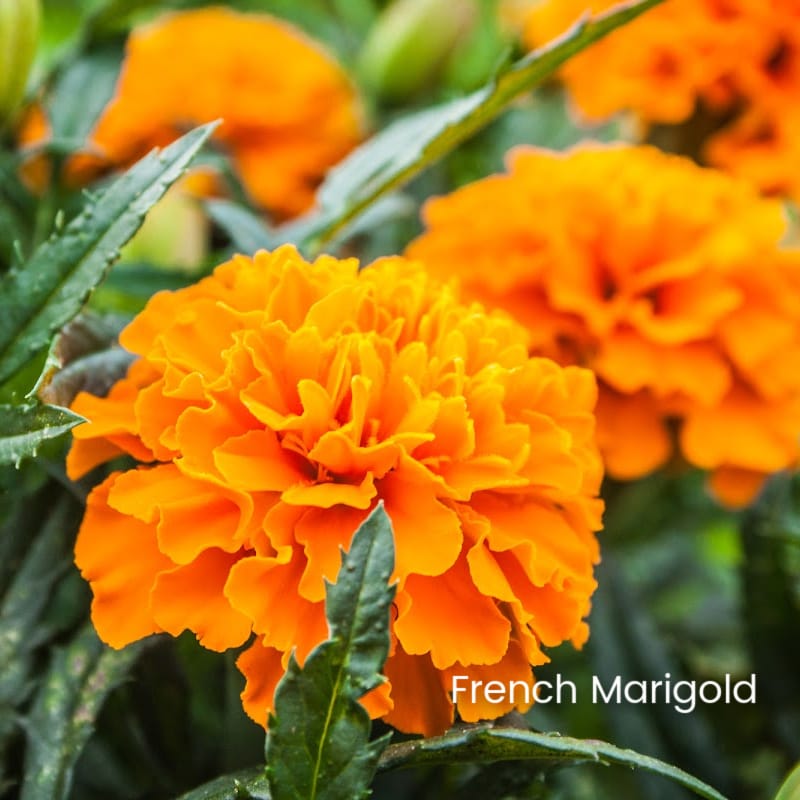
- Tagetes patula (French marigolds) – compact, best for edging and pest suppression studies
- Tagetes erecta (African marigolds) – tall, larger blooms, heavier feeders
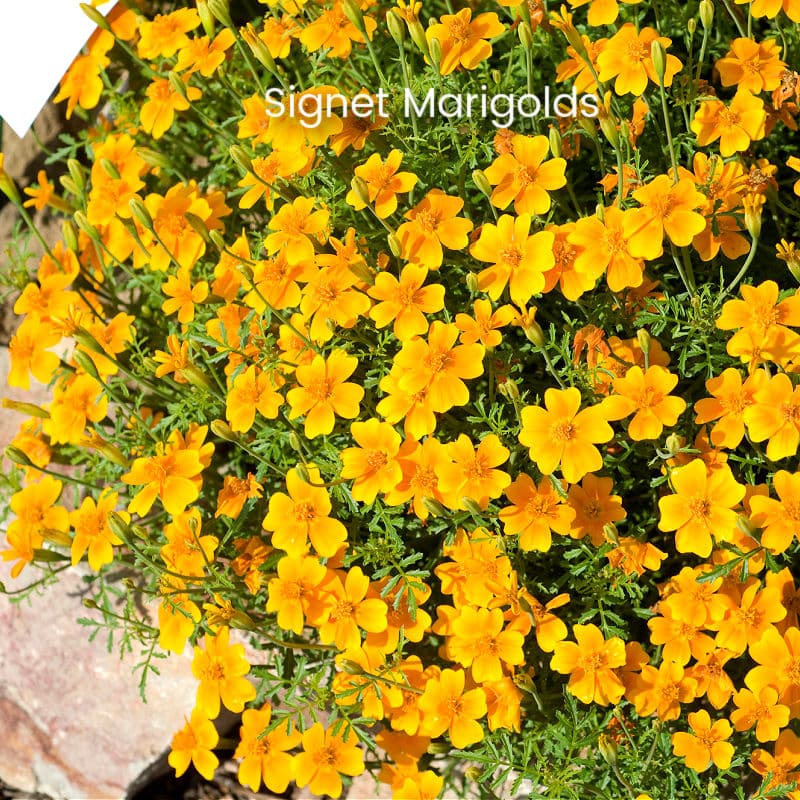
- Tagetes tenuifolia (Signet marigolds) – airy, edible flowers, more drought tolerant
👉 Research note: Different species produce different levels of bioactive compounds, which directly affect their pest suppression abilities.
2. The “Pest Repellent” Claim Is Partly True (But Overstated)
This is one of the biggest myths—and also one of the most interesting truths.
Marigolds produce compounds like:
- Thiophenes
- Alpha-terthienyl
These have been shown in studies to suppress nematodes in soil, particularly root-knot nematodes.
✔ Proven:
- Certain marigolds (French) reduce nematode populations when grown as a cover crop or dense planting
✖ Not proven:
- That a few marigolds scattered in your garden repel all insects
👉 Key takeaway:
Marigolds work best in the soil and in quantity, not as a magical border plant.
3. They Need Full Sun for Maximum Bloom Production
Marigolds are true sun lovers.
- Minimum: 6 hours direct sunlight
- Ideal: 8+ hours
In lower light:
- Plants stretch (etiolation)
- Fewer blooms form
- Increased risk of fungal issues
👉 Scientific reasoning: Flowering is tied to photosynthetic energy production—less light = fewer resources for blooms.
4. Soil Fertility Affects Flowers More Than You Think
This one surprises people.
Marigolds do not need rich soil—in fact, too much fertility (especially nitrogen) leads to:
- Excess leafy growth
- Fewer flowers
- Weak stems
👉 Research-backed principle:
High nitrogen promotes vegetative growth over reproductive growth
✔ Best soil:
- Moderately fertile
- Well-draining
- Not heavily amended with manure or high-nitrogen fertilizer
Build Healthy Soil
5. Overwatering Is a Bigger Problem Than Underwatering
Marigolds are moderately drought-tolerant once established.
Too much water can lead to:
- Root rot
- Fungal diseases
- Reduced flowering
👉 Studies on bedding plants show oxygen deprivation in saturated soils reduces root function quickly.
✔ Best practice:
- Let the top inch of soil dry before watering, or use a moisture meter
- Ensure excellent drainage
6. They Actually Improve Soil—But Not Instantly
French Marigolds are often used in crop rotation systems, especially in organic agriculture.
Their roots release compounds that:
- Suppress nematodes
- Influence soil microbial communities
👉 Important nuance:
This effect is cumulative and time-dependent
✔ Works best when:
- Grown densely
- Incorporated into soil (as green manure)
- Used over a season or longer
7. Deadheading Is Not Required—But It Helps
Marigolds will continue blooming without deadheading because they are genetically programmed for continuous flowering.
However…
Removing spent blooms:
- Redirects energy into new flower production
- Improves plant appearance
- Reduces disease risk from decaying petals
👉 This is a case of resource allocation in plants—removing seed heads encourages more blooms.
8. Temperature Affects Growth More Than You Think
Marigolds are warm-season annuals.
Optimal growth range:
- 60–80°F (15–27°C)
Below 50°F:
- Growth slows significantly
Frost:
- Kills plants outright
👉 Seed germination studies show best results around 70–75°F soil temperature
9. They Are Excellent for Pollinators (Despite the Smell)
Some gardeners assume marigolds don’t attract pollinators because of their scent.
But research shows they:
- Attract bees, hoverflies, and beneficial insects
- Provide accessible nectar and pollen
👉 Especially true for:
- Single-flowered varieties
- Smaller-flowered types (like signet marigolds)
10. Companion Planting Works—But Not How You’ve Been Told
Marigolds are often recommended as companions for everything.
Here’s the science-based reality:
✔ They can:
- Help reduce soil nematodes (when used properly, only the French Marigolds)
- Attract beneficial insects
✖ They do NOT:
- Automatically repel all pests from nearby plants
👉 Companion planting works best when it:
- Improves biodiversity
- Supports beneficial insect populations
- Enhances soil—not as a “force field”
11. Marigolds Are One of the Easiest Flowers to Grow from Seed
This is where marigolds truly shine.
- Fast germination (3–7 days)
- High success rate
- Quick to bloom (often within 8 weeks)
👉 Seed viability studies show marigolds maintain strong germination rates even after storage (if kept dry and cool).
✔ Direct sowing works well in warm soil
✔ Transplanting is also very easy
What to Avoid (Quick Recap)
- Over-fertilizing (too much nitrogen = fewer blooms)
- Overwatering or poorly drained soil
- Expecting pest control from just a few plants
- Planting in partial shade
Final Thoughts (In My Garden)
Marigolds are one of those flowers that quietly teach you something.
They’re not flashy in a fussy way. They don’t demand perfect soil or constant care. But when you understand what they actually need—and what they don’t—they reward you with steady color all season long.
And maybe that’s why they’ve stayed in gardens for generations.
Simple, cheerful, and a little more scientific than we give them credit for.
Hi, I’m Pamela
With 45 years of hands-on gardening experience, I love sharing practical tips, proven techniques, and inspiration drawn from my own gardens. My goal is to nurture your confidence, spark your passion, and help make every step of your gardening journey more enjoyable.