10 Clematis Growing Tips You Need to Know for Beautiful Blooms
Clematis are often called the Queen of Flowering Vines, and once you grow them successfully, it’s easy to see why. Their graceful climbing habit, scrambling nature, and stunning blooms can transform even the simplest garden into something truly special.
Today, we’re going to talk about a beloved garden favorite: clematis. These beautiful flowering vines can add stunning color and charm to any garden. So, let’s dive into 10 things you should know about clematis.
1. Variety of Types
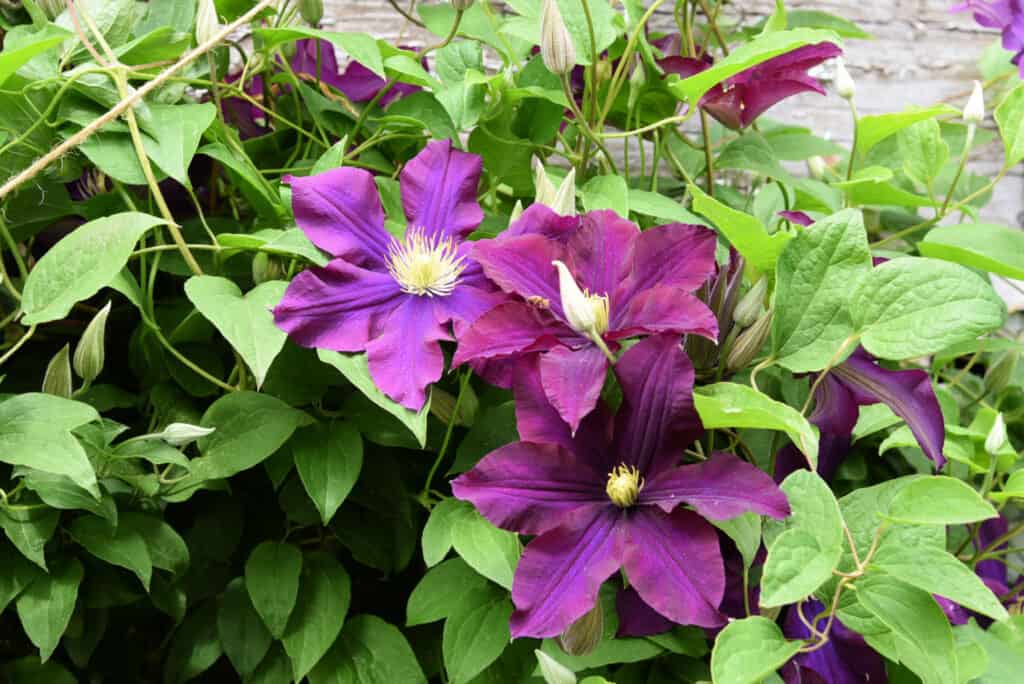
Clematis comes in a wide range of species and forms. You can find bushy, dwarf, tall, and vining types. Each type offers something unique, so there’s a clematis for every garden style.
2. Bloom Sizes and Shapes
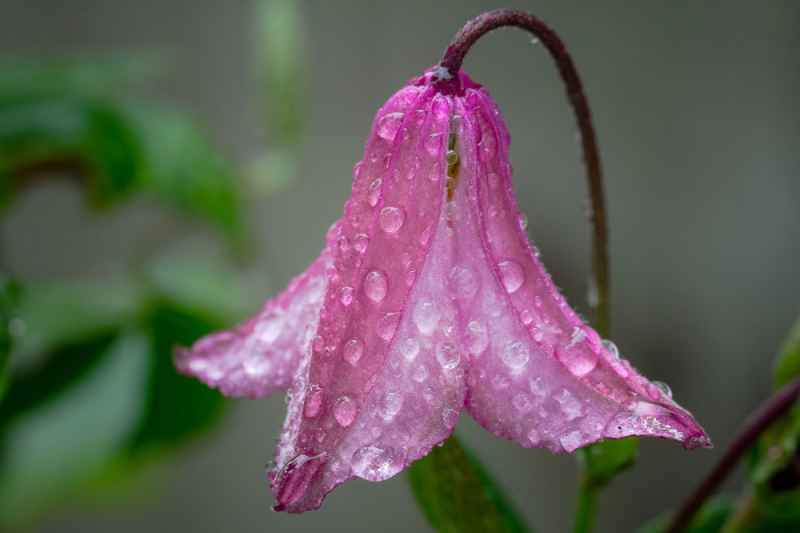
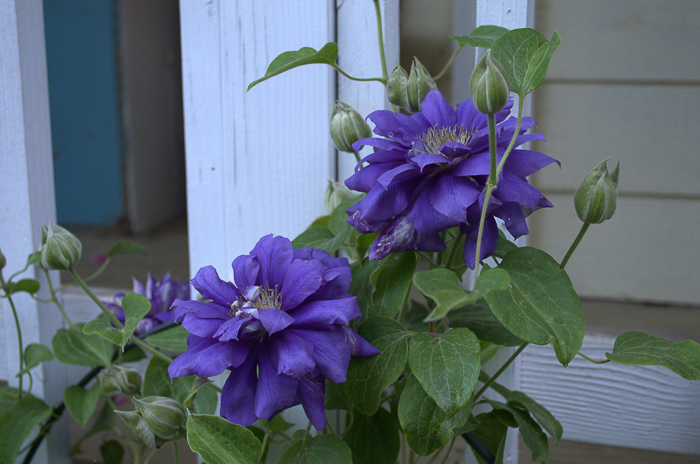
The flowers of clematis vary greatly in size and shape. Some blooms are small and abundant, while others can be as large as 6 inches across. You’ll also find different flower forms, such as star-shaped, bell-shaped, single, and double blooms.
3. Color Spectrum
Clematis blooms come in many shades. Whether you want deep purples, vibrant reds, soft pinks, or pure whites, there’s a clematis to match your color scheme.
4. Pruning Groups
Understanding clematis pruning groups is essential for healthy growth.
- Group 1 blooms on old wood and should be pruned after flowering. Go light, basic deadheading, shaping, and removing dead or damaged vines.
- Group 2 blooms on both old and new wood, requiring moderate pruning. (Step by step for this is here)
- Group 3 blooms on new wood and can be pruned hard in early spring. (see how I refurbished mine)
5. Support Structures
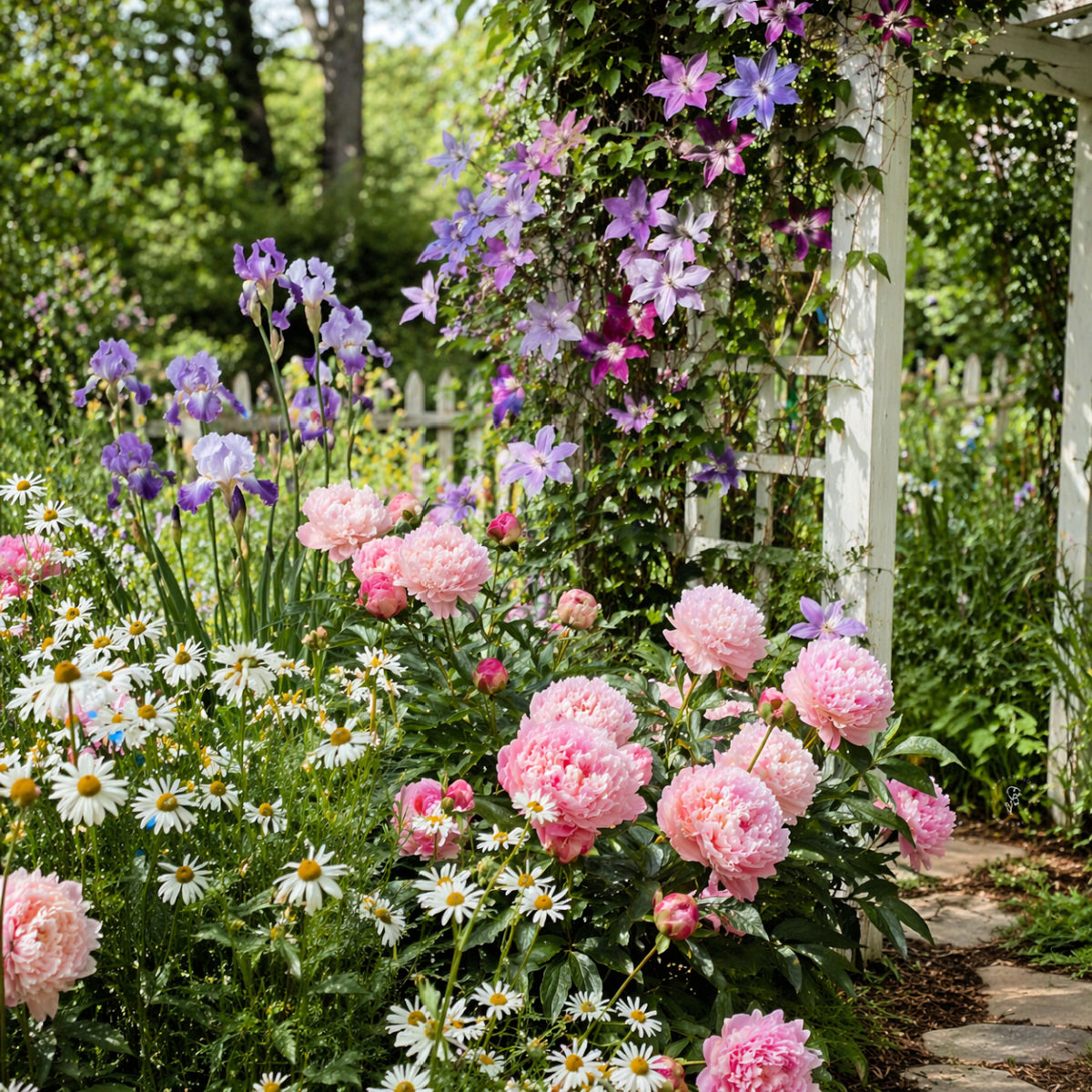
Clematis vines need proper support to grow well. Train them on trellises, arbors, fences, obelisks, or even through shrubs to prevent tangling and to showcase their blooms to the fullest.
6. Planting Location
While it’s commonly said that clematis like their roots in the shade and their heads in the sun, this isn’t a strict rule. Mulching around the roots can help keep them cool, and the plants generally thrive in well-drained soil with good sunlight.
Keep mulch a few inches back from the stem emerging from the ground, and make sure there is good airflow. Sunlight hitting the base of the plant is beneficial if you have experienced wilt. As long as the area around the clematis is well mulched, the roots will remain cool enough even in direct sun.
7. Watering Needs
Clematis prefers consistent moisture, especially when establishing. However, be careful not to overwater, as this can lead to root rot. A good layer of mulch can help retain moisture without waterlogging the soil.
I highly recommend getting a moisture meter to check soil moisture; it is much more accurate than visual inspection or sticking your finger into the soil.
8. Disease Resistance
Clematis can sometimes suffer from clematis wilt, a condition that causes the vines to suddenly collapse. This is often caused by fungal infections. Keeping the base of the plant free from debris and ensuring good air circulation can help prevent this. (This is where you can do better if the area gets sunlight)
9. Pest Management
Be on the lookout for pests like slugs and snails, which can damage young clematis stems. Using slug bait or manually removing pests can protect your plants from harm.
I, personally, use First Saturday Lime. It helps keep pests away while remaining safe to use around children and pets. I sprinkle a ring of lime a few inches out from the base of the plant, creating a barrier that pests won’t cross.
10. Extended Bloom Time
Many clematis varieties offer extended bloom times, with some even reblooming later in the season. Varieties like ‘Josephine’ and ‘Chloe’ can put on a show for months with proper pruning and care.
I have noted that in my garden, the viticella varieties or the viticella crosses bloom for a long time.
And there you have it! Ten essential things to know about growing clematis. These tips will help you cultivate beautiful, healthy clematis vines that will brighten up your garden for years to come.
Happy gardening, and see you next time!
Hi, I’m Pamela
With 45 years of hands-on gardening experience, I love sharing practical tips, proven techniques, and inspiration drawn from my own gardens. My goal is to nurture your confidence, spark your passion, and help make every step of your gardening journey more enjoyable.