21 Winter Sowing Mistakes You Should Avoid!
Winter Sowing Mistakes Many Gardeners Make (and How to Avoid Them)
I find winter sowing to be such a rewarding way to grow plants during the colder months, but I’ve learned that mistakes can happen. By being aware of what to watch out for, I can ensure success and enjoy strong, healthy seedlings when spring arrives. Here are 21 common winter sowing mistakes and how you can avoid them.
This post contains affiliate links. If you make a purchase after clicking a link I may make a small commission at no cost to you.
Winter Sowing Mistakes
1. Becoming Impatient
Mistake: You think the seeds should have germinated already and you get frustrated and think you have failed.
Fix: Wait, don’t toss them out yet. Make sure they have plenty of moisture and just let them be. Some plants need warmer temps and more time to grow. If by the middle of June nothing has happened then it is safe to say nothing will and go ahead and recycle the potting soil and container.
How to Recycle Potting Soil Safely
2. Ignoring Seed Requirements
Mistake: Treating all seeds the same.
Fix: Many seeds need cold stratification or can germinate without it. Read the seed packets for the planting depth of the seeds and follow the recommendations. Some seeds need light to germinate well.
How to Read Seed Packets
3. Using Poor-Quality Soil
Mistake: Using garden soil that compacts or retains too much water.
Fix: Opt for a well-draining potting soil. I avoid using seed starting mix as it does not have what it takes for the long haul and is more expensive than a quality potting soil. Avoid moisture retention potting mixes, they hold too much water and your seedlings may drown.
4. Not Labeling Containers
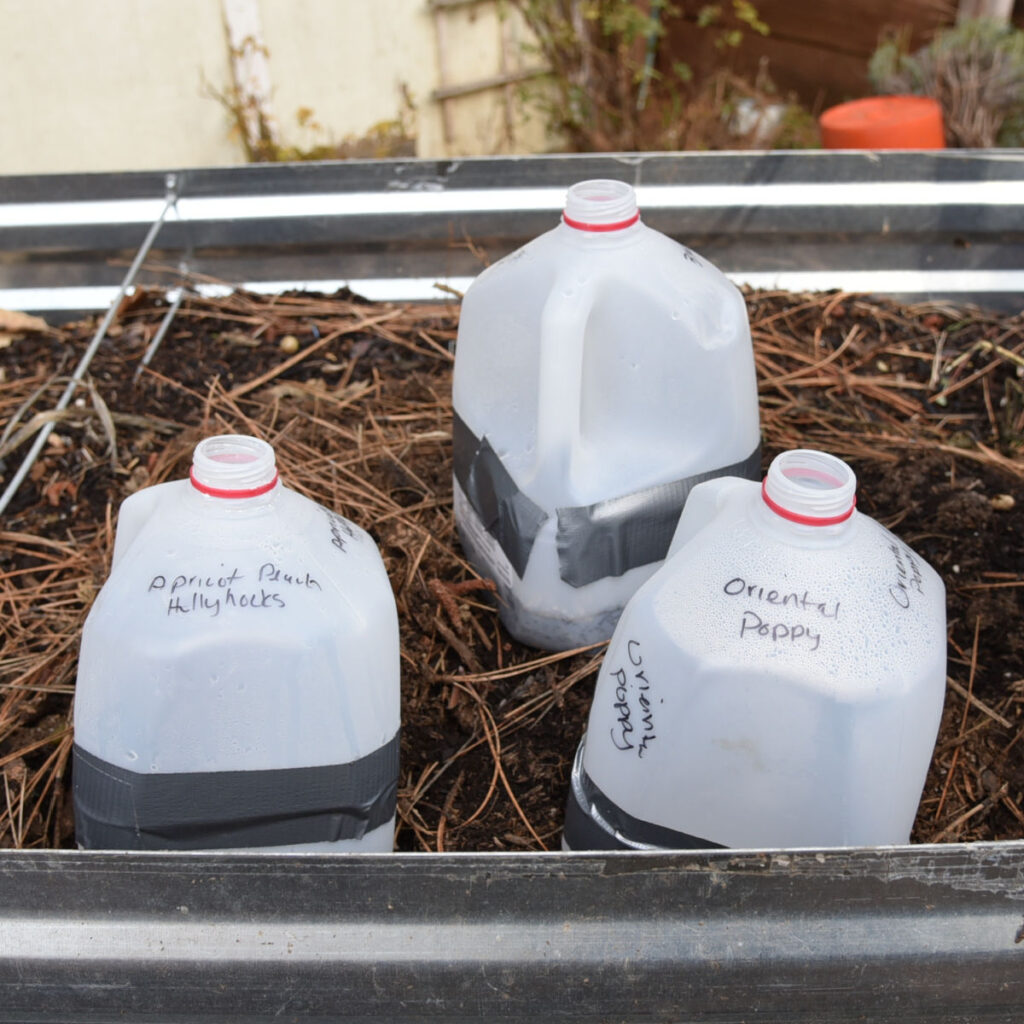
Mistake: Forgetting to label what you’ve planted. I add labels to the inside of the container as well as mark on the outside the name of the plant and the date I have sown them.
Fix: Use permanent markers or weatherproof labels. I like these markers as they will last outdoors for the duration.
5. Overwatering or Underwatering
Mistake: Seeds or seedlings rot from excess water or dry out completely and die.
Fix: Keep soil moist, not soggy, and let natural precipitation help. I go into more detail of watering in the blog post on Winter Sowing.
Easy Winter Sowing for Success!
6. Placing Containers in the Wrong Spot
Mistake: Putting containers in shade or flood-prone areas. You may have to find what works best for you in your climate and conditions.
Fix: Choose a sunny spot with good drainage. Once spring arrives and things heat up you may need to relocate the containers to a spot with morning sun and afternoon shade.
7. Not making sure you have good ventilation
Mistake: You put the lid on or there is not enough air holes in the top of the containers to let hot air out.
Fix: Create ventilation holes in the tops of the containers and do not use the lid. If you do not move them when the temperatures get above 65 degrees on sunny days you will need to open up the containers to vent well. But you must remember to close them back up each evening.
8. Failing to Protect Containers from Critters
Mistake: Animals disturbing your containers.
Fix: Place containers where they will not be knocked over by wild or domestic animals. I have raccoons and skunks that frequent my garden and get a bit too inquisitive. Placing my containers in a raised bed that the critters don’t get into helps me keep mine safe. Others gardeners place theirs in crates together.
9. Skipping Regular Checks
Mistake: Ignoring containers completely after sowing.
Fix: Periodically check for drainage issues, overcrowding, or drying soil. If they are covered in snow you are usually safe until the snow melts but after that then regular checks are a good idea.
10. Overcrowding Seeds
Mistake: Planting too many seeds in a small space.
Fix: Space seeds to reduce competition and make transplanting easier. If you want a lot of one particular plant then use another container rather than overcrowding one. Plant health through the season is determined from the start with the seedlings.
11. Using Containers That Are Too Small
Mistake: Starting seeds in shallow or tiny containers.
Fix: Use larger containers for better root growth and height. Some seedlings will reach the top of a milk jug container before it is ready to be planted in the garden. The alternative is to transplant the seedlings into individual pots before they are ready for the garden. It is an added step many don’t wish to take, so start with taller containers in that instance.
My Favorite Winter Sowing Containers
12. Neglecting Mulch for Protection
Mistake: Not insulating containers in very cold areas. Most winter sowing is fine without mulch but if you get warm then cold then back to warm weather then adding a layer of mulch around your containers can help mitigate issues.
Fix: Surround containers with straw, leaves, or other insulating materials.
13. Overlooking Drainage Issues
Mistake: Allowing water to pool in containers. Or setting containers in an area that water pools on the ground.
Fix: Ensure drainage holes are working and place containers on gravel or a raised surface that drains well during rainy weather.
14. Forgetting to Thin Seedlings
Mistake: Leaving seedlings overcrowded in the container. This is avoided if you do not oversow.
Fix: Thin seedlings once they sprout to give each one room to grow. You can do this by pricking out the extras and potting them on or snipping them off at the soil level.
15. Ignoring Frost Heaving
Mistake: Containers shifting or lifting due to freezing and thawing cycles. This could overturn your containers is severe enough.
Fix: Anchor containers or surround them with mulch to keep them in place. The mulch also can help prevent the heaving somewhat.
16. Leaving Containers in Direct Sun
Mistake: Allowing containers to overheat as the days get longer and warmer.
Fix: Monitor containers in late winter and provide partial shade if necessary. This is where moving them to morning sun and afternoon shade can be beneficial if daytime highs are 65 degrees F or above.
17. Sowing Too Few Seeds
Mistake: Being overly cautious and planting too few seeds.
Fix: Sow a few extra seeds to account for natural losses during germination. You can expect at least an 80% germination rate for fresh seeds.
18. Not Transplanting when Needed
Mistake: The seedlings are ready for the garden and you are too busy to get them planted. (this is an issue for me and one I am working on!)
Fix: Check containers regularly in early spring, and transplant seedlings promptly once they’re ready. Make it a priority.
19. Not Winter Sowing At All
Mistake: Being intimidated by the process and not just trying it.
Fix: Give it a go, try just a few containers the very first time and sow seeds that are great for this type of sowing!
The Flower Best Seeds for Winter Sowing!
By avoiding these winter sowing mistakes, you’ll set yourself up for a productive and less stressful gardening season. Winter sowing is a fantastic way to get a jumpstart on your garden on a budget, and with these tips, you’ll be ready for success!
Have you tried winter sowing?

Happy Winter Gardening!
Hi, I’m Pamela
With 45 years of hands-on gardening experience, I love sharing practical tips, proven techniques, and inspiration drawn from my own gardens. My goal is to nurture your confidence, spark your passion, and help make every step of your gardening journey more enjoyable.