The ISA Brown Chicken: A Love Story
If you’re looking for a pet chicken that is low-maintenance, friendly, and incredibly productive, then look no further than an Isa Brown.
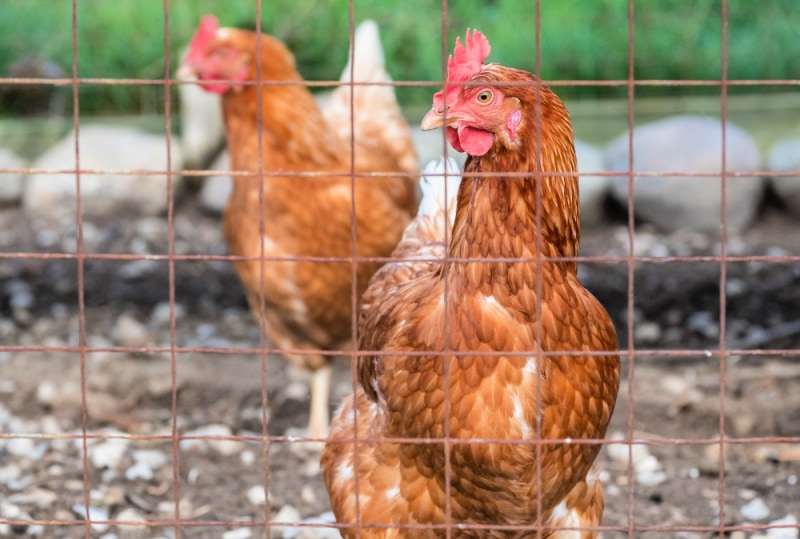
Often touted as the “perfect” chicken breed, Isa Browns are intelligent, adaptable birds that make excellent pets and backyard chickens.
Let’s take a closer look at why this breed of chicken is so beloved and some of the caveats.
As chicken fanatics, we’ve all heard of the ISA Brown chicken. Or have you?
I must admit up until 2 years ago I hadn’t but they’ve been around since 1978.
But what makes this particular breed so special?
Let’s learn more about ISA Brown chickens and why it is one of the most popular breeds of chickens around.
Now I must admit I have found conflicting information regarding the ISA Brown chickens when researching them.
So this info is what I have found to be what most people agree upon.
What Are ISA Brown Chickens
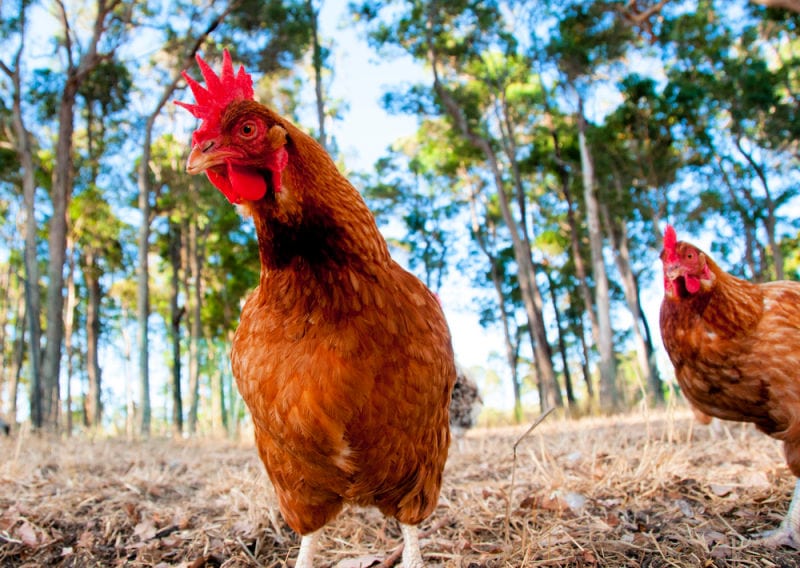
ISA Brown chickens are a hybrid developed for the commercial egg-laying market.
This hybrid chicken was bred for increased egg laying. Their exact genetic makeup is a closely guarded secret.
Some speculate that this mutt of a chicken includes the Rhode Island Red, New Hampshire Red, and white breeds with input from White Leghorns. What other breeds may be involved is any ones guess.
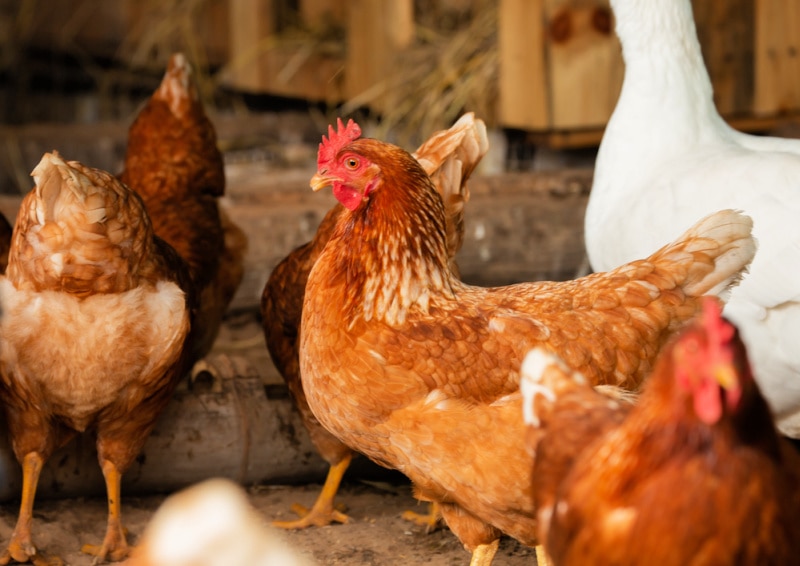
These chickens can be very close in coloration to the Rhode Island Red and others lean towards a more golden color. White tips on the feathers lighten the overall color.
They are medium-sized birds, getting up to 5 pounds, with golden yellow legs and beautiful red combs and wattles.
History of the ISA Brown
The ISA Brown was developed in 1978 by the French poultry company Institut de Sélection Animale (ISA).
Some hatcheries call the Red Star chickens ISA Browns, but others have them as a separate breed.
Egg Laying Ability of ISA Browns
Since this breed was developed for egg-laying it shouldn’t be surprising that they are known for their amazing capability in this regard.
ISA Brown hens can lay up to 300+ brown eggs their first year but slow down slightly in year two. Then drop off even more in year three.

The official website for ISA Browns gives them a total laying capacity of around 500 eggs.
So you do the math if they lay 300 in the first year and close to that in the second then by the 3rd year they really slow down in laying eggs.
Remember, they were created for the commercial egg-laying market and they replace their hens every two years.
Though they can go into a molt at a younger age than other breeds, in which they stop laying eggs, they also seem to come out of the molting period faster.
Once the molt is over they return to their awesome egg-laying.
Temperment and Disposition
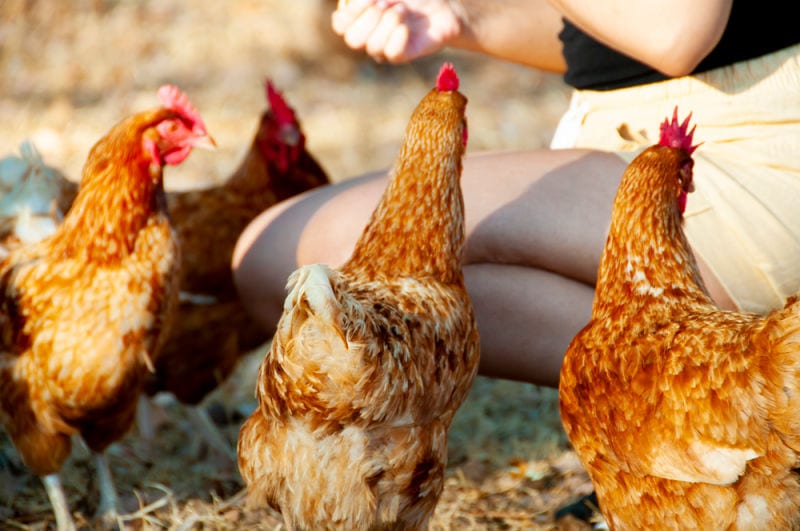
ISA Browns are also known for their quiet disposition which makes them great for first-time backyard chicken owners. They won’t disturb your neighbors.
When it comes to temperament, Isa Browns are incredibly friendly birds that make great pets for children.
They’re known for being gentle and docile, but they also have plenty of energy which makes them fun companions for both adults and kids alike.
In addition, they are relatively low maintenance and can thrive in both hot and cold climates.
Benefits of Keeping ISA Browns
The ISA Brown has become an increasingly popular choice among small flocks due to its excellent feed conversion ratio.
In other words, these chickens eat less than other breeds while producing the same amount of eggs thus you would think that would save money.
But… and here is the caveat…they actually do best with a higher protein feed, which would be about 18% to 20% rather than the typical 16% available in the most common layer feed.
The higher protein feed is more expensive than the common feed.
Another benefit is the ability of chickens of any breed in helping to create wonderful organic soil. ISA Browns are great for this too!
Disadvantages of this Breed
Though there are many advantages to owning an ISA Brown chicken, there are also some drawbacks that need to be taken into consideration.
For starters, because this breed was bred for commercial production purposes, their life span tends to be shorter than that of other breeds—lasting only around 5 years.
But many don’t make it past 3 years of age and that can be heartbreaking if you make them pets.
Additionally, due to their high rate of egg laying, these hens may not live long enough to reach full maturity before entering a molting period (where they stop laying eggs).
This means that they won’t have the opportunity to rest their reproductive systems and can develop tumors, cancers, prolapses, and other health issues relating to their high egg production.
This typically happens after the first 2 years.
Lastly, because these chickens were bred from commercial stock rather than purebred lines, they do not possess the extra hardiness of heritage breeds.
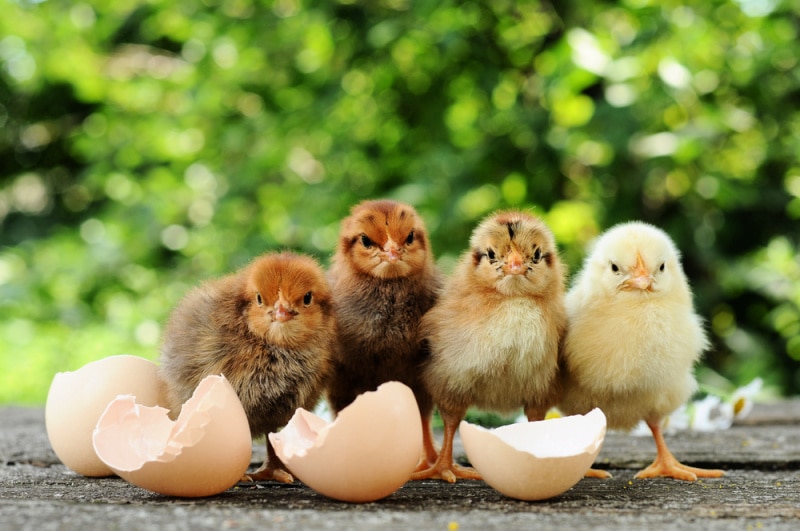
ISA Brown Chickens do not breed true and their offspring often have health issues from a young age. If you wish to replace yours you will need to buy new chicks or pullets from a hatchery or local feed store that carries them.
All things considered, the ISA Brown chicken is an excellent choice for anyone looking for a reliable egg-layer and can handle losing a pet after a couple of years.
So if you’re considering adding some feathered friends to your flock that produce a lot of eggs, you may want to try ISA Brown Chickens.