Easy Vegetable Gardening: Grow Fresh Food Without the Fuss!
How to Start a Vegetable Garden Easily
Growing your own vegetables is one of the most rewarding things you can do in the garden. Not only do you get fresh, delicious produce, but you also save money and know exactly what goes into your food. If you’re new to gardening or just want a simple approach, here’s how to start a vegetable garden the easy way.
This is a simple list of how to get started. So many articles have so much info it can be overwhelming yet it doesn’t need to be. It isn’t difficult and you don’t need fancy equipment to get started. So come on along and I will break it down into basics!
This post contains affiliate links. If you make a purchase after clicking a link I may make a small commission at no cost to you.
Start a Simple Vegetable Garden
1. Pick the Right Spot
Most vegetables thrive in full sun, so choose a location that gets at least 6-8 hours of direct sunlight each day. Make sure the spot has well-draining soil and is easily accessible for watering and harvesting.
Remember that the sun’s location in the sky changes through the seasons. Be mindful of where the direct sunlight hits from late May/early June through till frost.
Read More: Start an Easy Garden for Beginners
2. Start Small
It’s tempting to plant a large garden, but starting with a small, manageable space ensures success. A 4×4 raised bed, a few containers, or a small in-ground plot can produce a surprising amount of food with minimal effort.
Starting small can also help you learn along the way before you fork out a lot of money. You may find you don’t enjoy the process and the time it takes to garden. Even the smallest garden will take time and effort; don’t let anyone tell you differently.
Read More: How to Grow Vegetables in Containers
3. Choose Easy-to-Grow Vegetables
For a beginner-friendly garden, start with veggies that are low-maintenance and fast-growing, such as:
- Lettuce
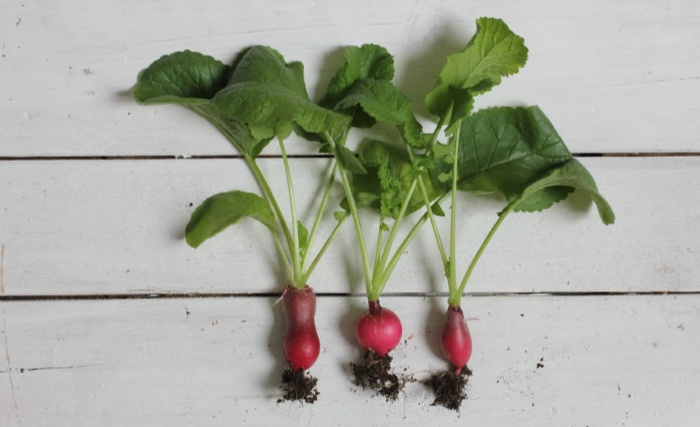
- Radishes
- Green beans
- Zucchini
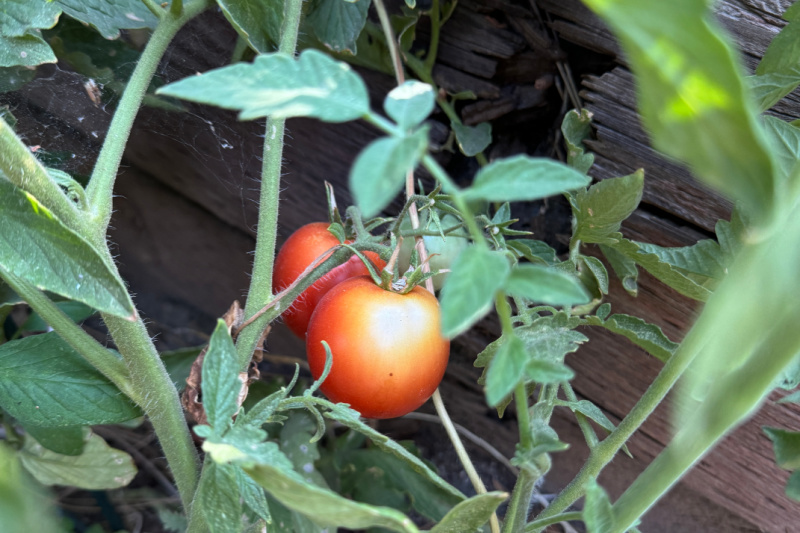
- Cherry tomatoes
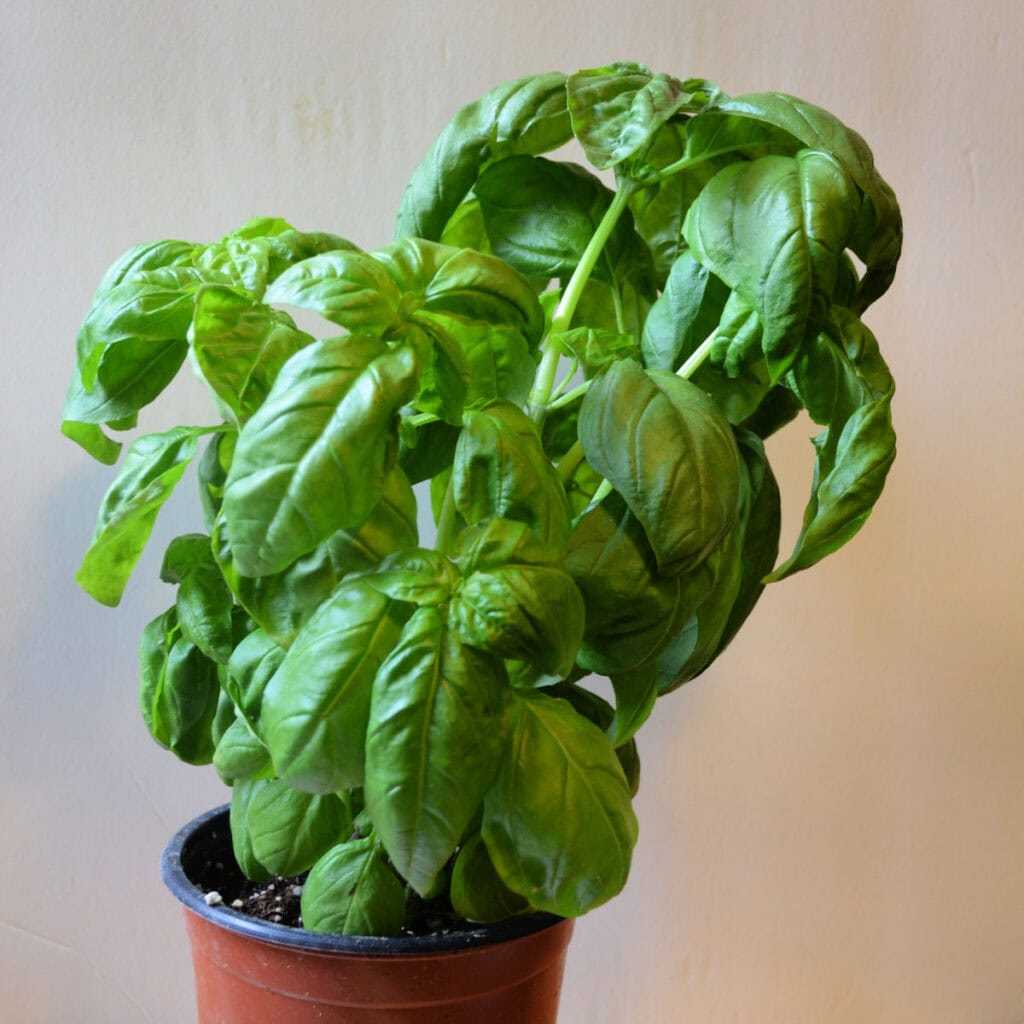
- Herbs like basil and parsley
When planting be mindful of the height of the individual plants so that when they become large they don’t shade their neighbors. Plant the tallest plants to the North of the shorter ones.
Unless you wish to provide shade, which is beneficial for some plants, like lettuce. Lettuce prefer cooler temps and will do better with shade in the hotter times of summer.
A little taste of success will motivate you to branch out and learn to grow things that can be a bit more challenging but just as rewarding.
4. Use Good Soil
Healthy soil is the key to a thriving garden. If you’re using raised beds or containers, fill them with quality compost-rich soil. (you can often find this in bulk at local landscaping supplies)
If planting in the ground, amend your soil with compost to improve its structure and nutrients.
Read More: Build Great Organic Soil for a Healthy Garden!
Build Your Soil!
You can also use plants to improve your soil.
Want to improve your soil instantly? Organic REV is your ticket to faster soil improvement in a bottle!
5. Water Wisely
Consistent watering is necessary, especially for young plants. Water deeply in the morning to encourage strong root growth and help plants withstand heat. A layer of mulch can help retain moisture and suppress weeds.
Or install a drip system. There are kits available at most garden centers and big box stores to make it easier for newbies! A kit is how I got started, and then I learned more about what to use to set up a more elaborate system.
6. Feed Your Plants Naturally
Organic compost or a simple liquid fertilizer made from this concentrate can provide your veggies with the nutrients they need. Avoid over-fertilizing, as too much nitrogen can lead to lush leaves but fewer vegetables.
Did you know that the number 1 mistake most gardeners make is over-fertilizing?
Simple Composting
7. Keep Pests in Check
The easiest way to manage pests is to check your plants regularly. Pick off any harmful insects by hand and encourage beneficial bugs like ladybugs and praying mantises. Row covers and companion planting can also help keep pests at bay.
Avoid using DIY sprays that seem harmless but are very deadly for the beneficial insects!
Read More: How to Make Your Small Garden Pollinator-Friendly
Good Bugs Keep Bad Bugs in Check!
8. Harvest Often
The more you harvest, the more your plants will produce! Pick vegetables at their peak ripeness for the best flavor and continued production. Many crops, like beans and zucchini, will keep producing if you harvest them frequently.
Most seed packets will give you a general idea of when you can expect each variety to be ready for harvesting. If not, it is simple to look up online for what to look for and recognize what they should look or feel like at the peak harvest time.
9. Learn as You Grow
Every garden season teaches something new. Take notes on what works and what doesn’t, and don’t be afraid to try different methods. Gardening is a journey, and even the simplest vegetable garden can be incredibly rewarding.
Starting a vegetable garden doesn’t have to be complicated. With a little planning, the right plants, and basic care, you’ll be enjoying homegrown produce in no time.
Happy gardening!
Hi, I’m Pamela
With 45 years of hands-on gardening experience, I love sharing practical tips, proven techniques, and inspiration drawn from my own gardens. My goal is to nurture your confidence, spark your passion, and help make every step of your gardening journey more enjoyable.