Million Bells Plant Calibrachoa
How to Grow Calibrachoa (Million Bells): A Comprehensive Guide for Gorgeous Blooms
I remember the first time I planted calibrachoa, or million bells, in my garden—its bright, cascading blooms brought such charm to my containers. From early summer to late fall, my hanging baskets were filled with vibrant colors that drew in hummingbirds and butterflies alike.
Calibrachoa’s seemingly endless flowers and low-maintenance care made it one of my favorite plants. With just a bit of attention to their sunlight and watering needs, calibrachoa can bring the same stunning beauty to your garden. Here’s everything I’ve learned to help you grow these lovely flowers successfully, whether in containers, hanging baskets, or garden beds.
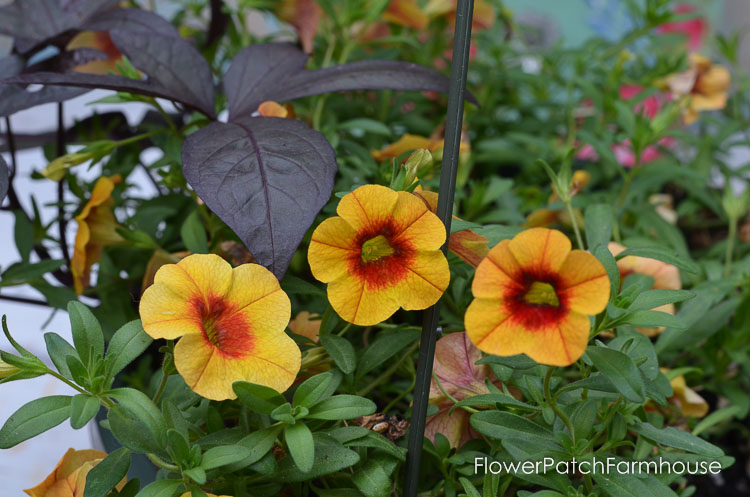
Bonus: I have been able to overwinter my Million Bells in their pots in my unheated greenhouse for a few years.
What is Calibrachoa or Millions Bells Plant?
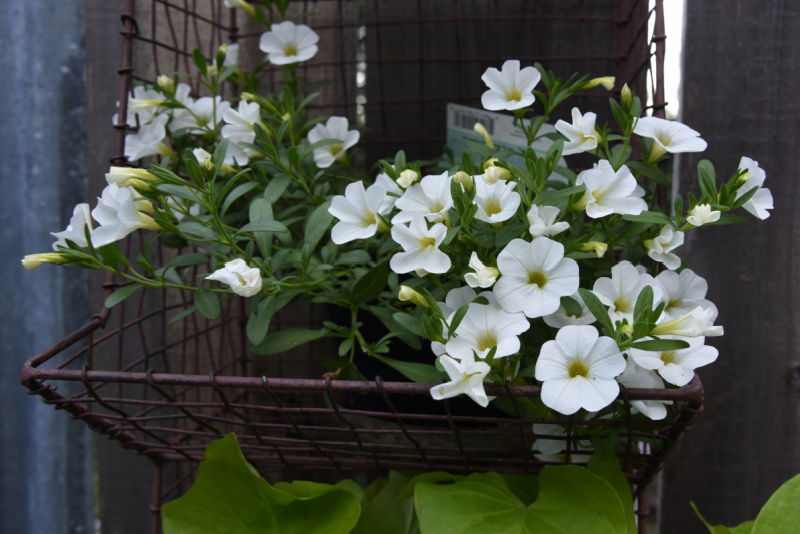
Calibrachoa, commonly known as million bells, is a compact, trailing plant known for its small, trumpet-shaped flowers resembling miniature petunias. Originally native to South America, calibrachoa has become a popular choice in gardens and containers worldwide because of its bright, long-lasting blooms in numerous colors, from rich purples, pinks, and reds to cheerful yellows and blues.
This plant gets its nickname “million bells” due to its profuse flowering habit, often producing hundreds of tiny blooms that cover the foliage in a colorful tumble. With a natural resistance to many pests and relatively easy care, calibrachoa makes a fantastic addition to hanging baskets, window boxes, and garden beds where gardeners can enjoy its lush, spilling growth and vibrant display all season long.
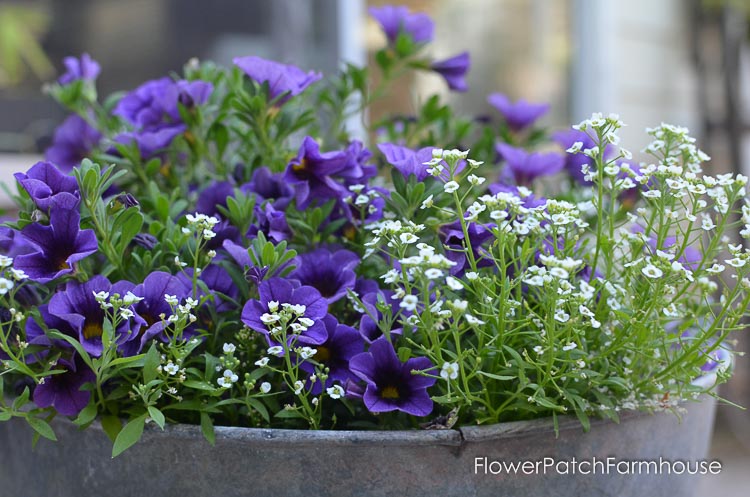
Grow and Plant Million Bells – Calibrachoa
1. Choosing the Right Calibrachoa Variety
- Color Options: Calibrachoa comes in an array of colors, from deep purples, reds, and yellows to softer pastels and multicolored blooms.
- Growth Habit: Most calibrachoa varieties have a trailing habit, perfect for hanging baskets and window boxes, though some are more compact, making them suitable for borders.
2. Ideal Growing Conditions for Million Bells Plant
- Light Requirements: Calibrachoa thrives in full sun, needing at least 6 hours of sunlight per day. In hotter climates, some afternoon shade can help prevent stress.
- Soil Needs: These plants prefer well-draining, slightly acidic soil with a pH between 5.5 and 6.5. Use a high-quality potting mix that includes organic matter and good drainage. Or easily make your own potting soil.
- Best Temperatures: Calibrachoa does best in temperatures between 55°F and 80°F. Although they are tender perennials, most people grow them as annuals. I have successfully brought mine into my unheated greenhouse and overwintered them.
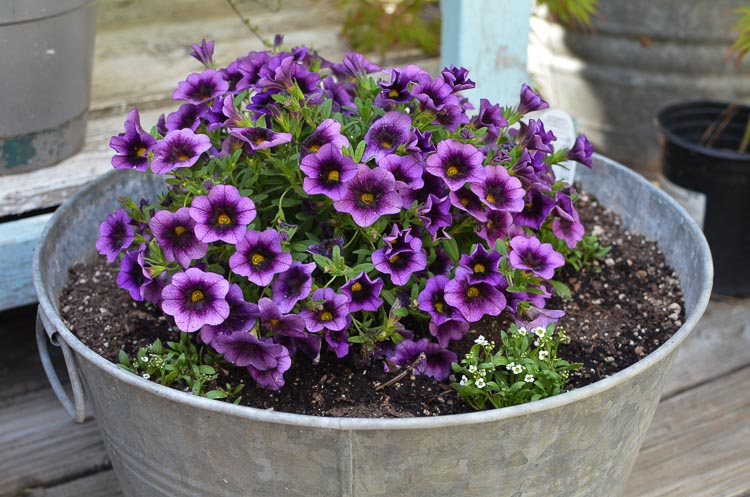
3. Planting Calibrachoa
- Containers vs. Ground: Calibrachoa performs exceptionally well in containers and hanging baskets where drainage is excellent. However, they can also be grown in garden beds with appropriate drainage.
- Spacing: When planting calibrachoa in containers, leave 8–10 inches between plants for optimal airflow and growth.
- Timing: Plant calibrachoa outdoors after the danger of frost has passed and the soil has warmed. They can be started indoors if necessary.
4. Watering Needs for Calibrachoa
- Consistency: These plants prefer moist but not waterlogged soil. Water them regularly, especially in hot weather, but allow the soil to dry out slightly between waterings.
- Drainage: Ensuring good drainage is essential to prevent root rot, one of the most common issues with calibrachoa.
- Signs of Water Stress: Yellowing leaves can indicate overwatering, while wilting may signal underwatering. Overwatering containers can flush out all the nutrients.
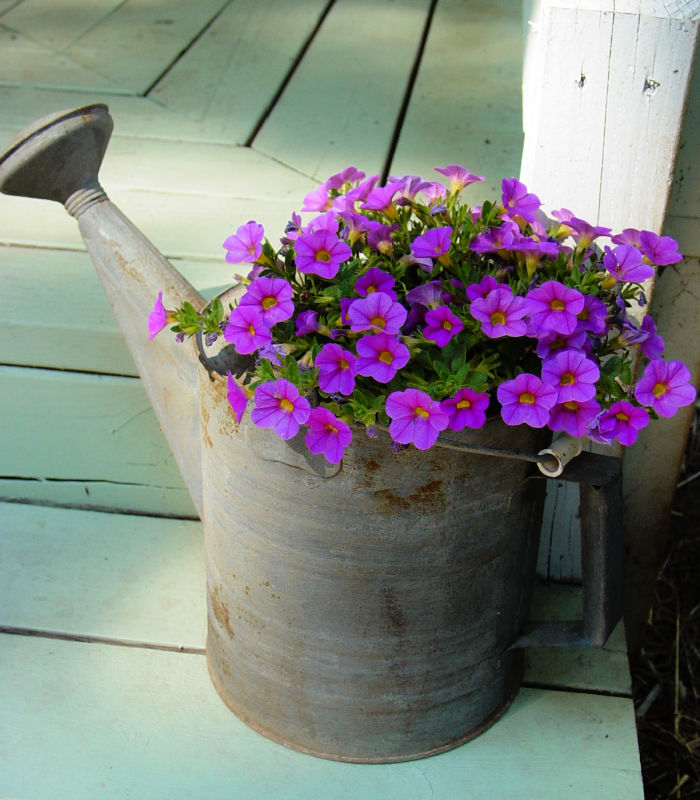
5. Fertilizing Calibrachoa for Maximum Blooms
- Type of Fertilizer: When potting or planting your million bells plants top with compost which acts as a slow-release fertilizer. If you don’t have compost then you use a water-soluble organic fertilizer like this one here. If the weather is particularly hot and you have to water every day then use the EcoOrganic fertilizer every third watering for the best results.
- Nutrient Needs: Many will tell you to look for a fertilizer with slightly more phosphorus (the middle number) to support blooming but that is a gardening myth.
Bloom Boosters Miracle or Marketing?
6. Pruning and Deadheading
- Deadheading: Calibrachoa are generally self-cleaning and don’t require deadheading. However, pinching back leggy stems can help encourage fuller growth and more blooms. And you can root the trimmings!
- Pruning: Lightly trim back calibrachoa throughout the season to keep the plants looking tidy and to encourage new growth.
7. Pests and Diseases
- Common Pests: Calibrachoa can attract aphids, spider mites, and thrips. Inspect regularly and treat infestations with insecticidal soap or neem oil. I take them inside my greenhouse to treat them so I don’t harm any beneficial insects. I don’t typically treat for aphids, I have an abundance of ladybugs that come every summer, and get rid of them for me. If they get too abundant before the ladybugs arrive I spray them off with the hose.
- Disease Prevention: Overwatering can lead to fungal issues like root rot and powdery mildew. Use an organic fungicide if necessary and maintain good airflow around the plants. (as with pests I take it in the greenhouse to do this)
- Yellowing Leaves: This is often a sign of nutrient deficiency or overwatering. Check soil moisture and use the EcoOrganic fertilizer as suggested above and I have used its complement, Organic REV to bring plants back to health.
8. Winter Care for Calibrachoa
- Bringing Indoors: In zones where calibrachoa cannot overwinter outside, consider bringing them indoors before the first frost. Place them in a bright, cool location.
- Dormancy: Cut back the plant, reduce watering, and avoid fertilizing until spring.
9. Good Companion Plants for Calibrachoa
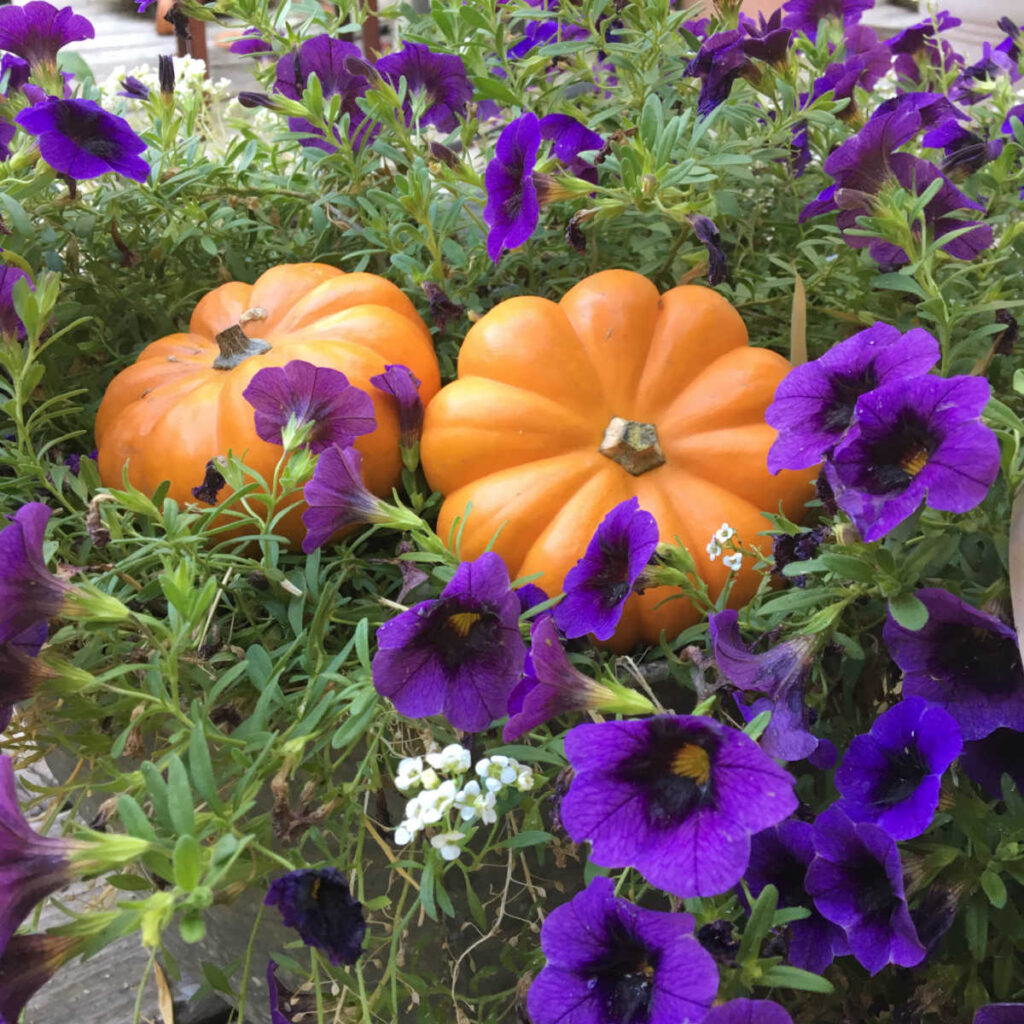
- Good Pairings: Million bells pair beautifully with petunias, lobelia, and verbena, which share similar care needs and create a lush, mixed-flower arrangement. I have also used them as the spiller element in large container mixes.
- Avoid Overcrowding: Ensure each plant has space to breathe and grow to prevent disease.
Frequently Asked Questions About Growing Calibrachoa
- Why is my calibrachoa not blooming?
- Insufficient sunlight, inadequate fertilization, or overwatering can all prevent calibrachoa from blooming. Make sure your plant is getting at least 6 hours of sun and a balanced fertilizer every two weeks.
- Can calibrachoa be propagated?
- Yes, calibrachoa can be propagated through cuttings. Take a 4-6 inch cutting, remove the lower leaves, dip it in rooting hormone, and place it in a pot with a moist growing medium.
- How do I prevent my calibrachoa from getting leggy?
- Regular pinching or trimming will keep calibrachoa compact and bushy, as well as encourage more blooms.
My Final Thoughts
Growing calibrachoa, or million bells, can be a rewarding experience with the right care. Their low-maintenance nature and abundance of colorful blooms make them a favorite of mine and are great for gardeners of all experience levels. Whether in hanging baskets, containers, or garden beds, the calibrachoa – million bells plant is sure to bring easy colorful beauty to your garden spaces.
Enjoy the Video!

Hi, I’m Pamela
With 45 years of hands-on gardening experience, I love sharing practical tips, proven techniques, and inspiration drawn from my own gardens. My goal is to nurture your confidence, spark your passion, and help make every step of your gardening journey more enjoyable.